Wood Sawdust Compaction Technology: Transforming Waste Into High-Value Materials
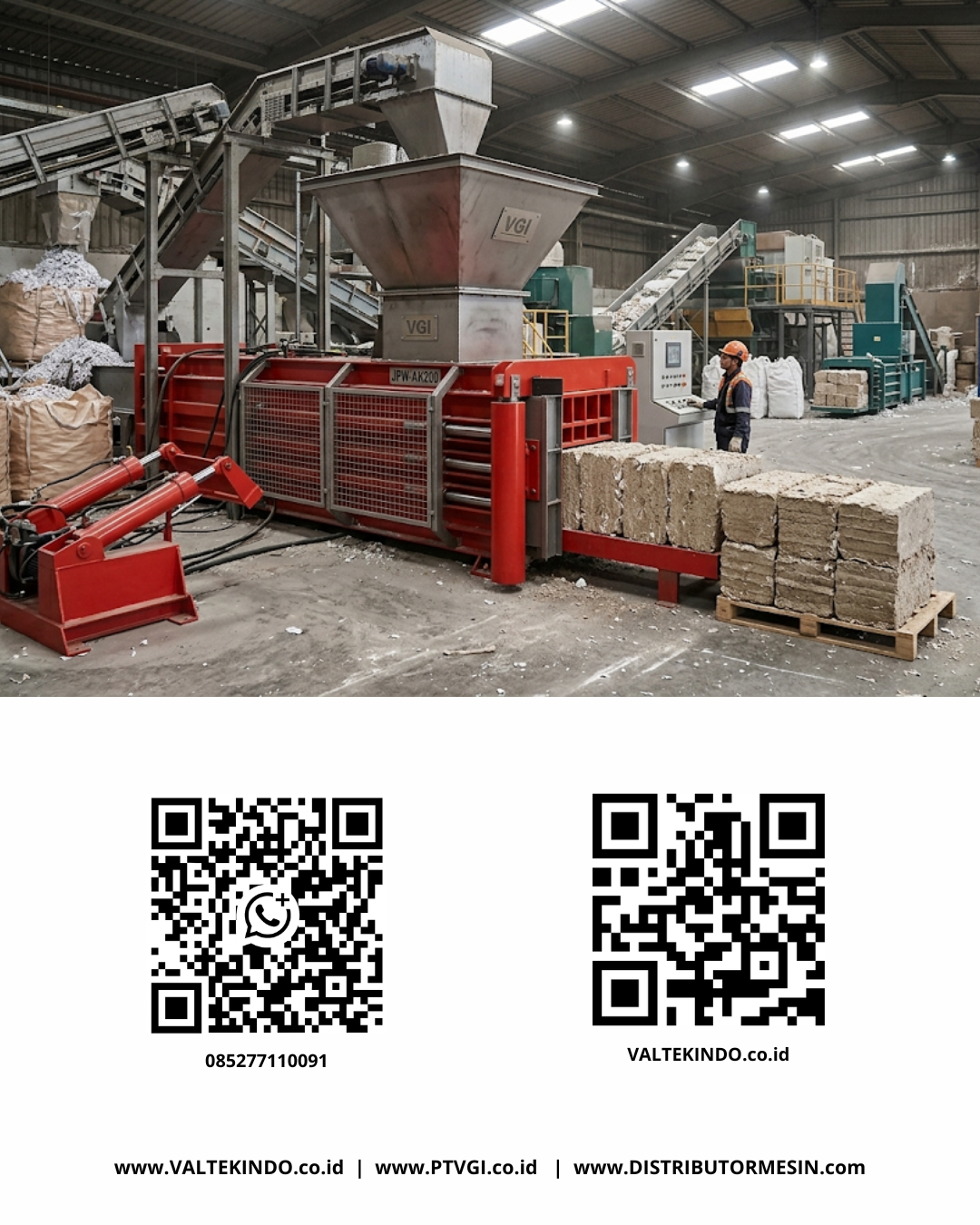
The wood processing industry, ranging from small-scale sawmills to large furniture manufacturing plants, consistently generates a significant byproduct in the form of sawdust. For decades, these fine particles were often regarded as an operational burden due to their lightweight nature, tendency to become airborne, and the inherent risks of air pollution or fire hazards within factory premises. However, as global awareness of circular economy principles continues to grow, this perspective has shifted dramatically. Through the implementation of compaction or densification technology, this fine waste is now being transformed into structural materials and alternative energy sources that hold high economic value in both domestic and international markets.
Understanding the Wood Sawdust Densification Process
Compaction technology is more than just pressing sawdust into a smaller form. This process involves complex thermophysical principles. Wood dust contains a natural polymer component called lignin. Under high pressure and specific temperatures generated by mechanical friction, lignin softens and acts as a natural binder. This phenomenon allows wood sawdust to be shaped into dense, sturdy pellets or briquettes without relying on chemical additives or hazardous glues that could harm the environment.
Technically, the effectiveness of this process relies heavily on the quality control of the raw material. The initial stage usually begins with uniformizing particle size and drying the material to reach an optimal moisture content, generally below 12%. If the moisture content is too high, trapped steam within the briquette can cause cracking or small explosions during the pressing process. Conversely, if it is too dry, the lignin will not activate effectively, resulting in brittle products that crumble easily. Once the ideal condition is met, the material is fed into a compression chamber to drastically increase its mass density.
Significant Benefits of Compressed Waste
The application of compaction technology provides broad positive impacts, particularly in logistics, operational efficiency, and environmental conservation. First, there are major advantages in logistics and storage. Raw sawdust has a massive volume but a very light weight (low bulk density). By compacting it into briquettes, the material volume can be reduced manifold. This directly lowers transportation costs as transport vehicles can reach their maximum weight capacity with much more efficient space utilization.
Secondly, compacted products possess a much higher and more stable energy density. In the form of briquettes or pellets, wood has a longer burn rate and more consistent temperature compared to conventional firewood or raw sawdust. This makes it a highly sought-after fuel for industrial sectors operating large-scale boilers or heating systems. Furthermore, compacted briquettes tend to produce significantly lower ash residue and smoke emissions, making them safer for worker health and surrounding air quality.
Implementation in Sustainable Business Strategies
For businesses in the timber sector, adopting this technology is a strategic move to diversify revenue streams. Waste that previously required disposal costs can now be converted into a commercial product in high demand within the biomass energy market. To ensure that the output meets industrial quality standards, the use of mechanical equipment with precise pressure and high durability is key. You can learn more about the technical specifications and operational mechanisms of this waste processing equipment through the briquette press machine brochure, which provides in-depth data on modern densification performance.
Integrating this technology also strengthens a company's position in complying with increasingly strict environmental regulations. Many global manufacturing industries are beginning to switch to biomass energy derived from compacted sawdust to replace dependence on fossil fuels like coal. Thus, processing this waste directly contributes to reducing the overall industrial carbon footprint. For broader insights into integrating technology within the manufacturing ecosystem, you may refer to information provided by an industrial technology provider experienced in production efficiency.
Strategic Consultation for Business Development
Turning waste into an asset requires meticulous planning, from selecting the right technology to analyzing production capacity based on raw material availability. If you are interested in exploring how this compaction technology can be implemented to increase added value in your business unit, our team of experts is ready to provide technical assistance and in-depth consultation to find the most effective solution.
Optimize Your Industry Today!
Achieve production efficiency and the highest quality standards with a trusted industrial machinery provider. Explore our wide selection of premium processing and testing equipment at:
Website : valtekindo.co.id
Website : distributormesin.com
Consult your technical needs with our expert sales team:
WhatsApp 1: +62 852-2211-0091
WhatsApp 2: +62 852-7711-0091

Admin
AuthorAdmin is a writer on the Valtekindo website, providing informative content about High Quality Industrial Machinery and Testing Machines.
Related post:
- Pharmaceutical Factory Production Escalation Strategy: Why Investing in an Automatic Capsule Filling Machine is the Most Crucial Business Decision
- High-Precision Wire Cut EDM Technology in 2026: The Ultimate Solution for Mold Making, Stamping Dies, and Automotive Component Fabrication Without Thermal Distortion
- 2026 Automated Carton Sealer & Erector Investment Guide: End-of-Line Automation Strategies for Industrial Plant Efficiency