What Is an Oil Purifier? Definition, How It Works, and Its Benefits for Your Factory
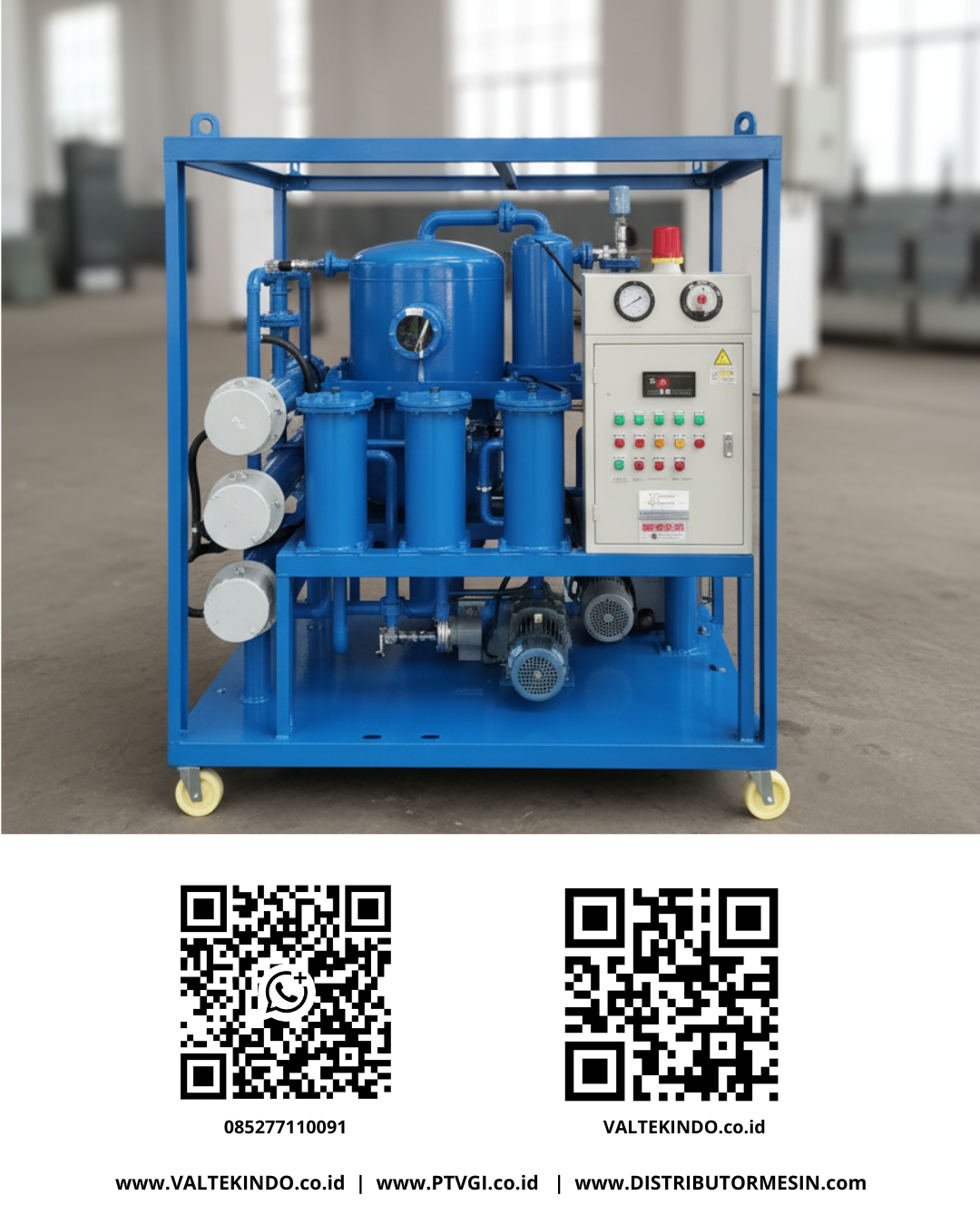
In the fast-paced world of industry, machine reliability is the cornerstone of profitability. Whether in a manufacturing plant, a power generation facility, or any production environment, unplanned downtime is the greatest enemy. Often, the root cause of catastrophic, costly machine failures stems from something seemingly trivial: contaminated industrial oil. This is where the oil purifier steps in as an unsung hero, ensuring the "lifeblood" of your vital machinery stays clean and healthy.
This article will provide a comprehensive look at what an oil purifier is, how it works in depth, and the tangible benefits it can deliver to your asset reliability and factory efficiency.
Definition: What Exactly Is an Oil Purifier?
Simply put, an oil purifier is a sophisticated engineering system designed to remove all forms of contaminants from lubricating, hydraulic, or insulating oils (like transformer oil). It is crucial to understand that this is far superior to a simple filter.
A standard filter might only capture solid particles down to a certain size. An oil purifier, however, is a complete regeneration system. It works to eliminate the three primary enemies of industrial oil:
- Solid Particulates: Dust, dirt, fibers, and fine metal particles from machine wear.
- Water Contamination: Whether as free water (separated), emulsified water (suspended in the oil), or dissolved water (molecularly bonded).
- Dissolved Gases: Air and other gases trapped within the oil, which can lead to cavitation and oxidation.
The ultimate goal of an oil purifier is to restore degraded oil to its peak condition—often to a cleanliness level exceeding the standard of new oil—thereby extending the oil's life and, more importantly, protecting the machine asset it lubricates.
Why Is Oil Contamination So Dangerous?
Before understanding how purifiers work, we must appreciate the danger posed by dirty oil.
- For Transformer Oil: Contamination is catastrophic. Transformer oil acts as both an electrical insulator and a coolant. The presence of water, even in parts per million (ppm), will drastically decrease its dielectric strength (breakdown voltage). This creates a high risk of short circuits, overheating, and catastrophic transformer failures, which can be explosive and cost millions to replace.
- For Turbine & Hydraulic Oil: Water causes rust, corrosion, and the formation of sludge. Solid particles act like liquid sandpaper, abrading precision components like bearings, valves, and pumps. Dissolved gases lead to foaming and cavitation, which destroys pumps and reduces hydraulic system efficiency.
In short, contaminated oil is a guarantee for accelerated wear, decreased efficiency, and premature asset failure.
How an Oil Purifier Works: The Technology Behind Clean Oil
Modern oil purifiers don't use a single method but rather a combination of advanced technologies working in synergy. Let's take the specifications of a reliable solution for optimal asset performance designed specifically for transformer and turbine oils as an example.
The purification process typically involves three main stages:
- Heating: The incoming oil is first heated in a controlled manner using a safe and reliable electric heating system. The goal is not to "cook" the oil, but to lower its viscosity and—most importantly—prepare the dissolved water and gases for easier removal in the next stage.
- Multi-Stage Filtration: After heating, the oil passes through a series of precision filters. This is a staged filtration system designed to progressively capture solid contaminants, from coarse particles down to the smallest micron-sized particles. This ensures all mechanical impurities, sludge, and even free carbon are effectively removed.
- Vacuum Dehydration & Degassing: This is the heart of the oil purifier. The filtered, warm oil is then sprayed into a vacuum chamber through coalescing elements or a distributor. Under a high vacuum, the boiling point of water drops dramatically. This allows vacuum flash vaporization technology to "boil off" all forms of water (free, emulsified, and dissolved) as well as dissolved gases from the oil. This water vapor and gas is then suctioned out by the vacuum pump, leaving behind exceptionally dry and pure oil.
This combination of heating, precision filtration, and vacuum dehydration dramatically restores the oil's properties to their prime.
The Tangible Benefits of an Oil Purifier for Your Factory
Implementing a proactive oil purification program is not an expense; it is an investment that yields a significant return. Here are the primary benefits:
- Extends the Life of Assets (Transformers, Turbines, Hydraulic Machines) This is the single greatest benefit. By keeping the oil clean, dry, and contaminant-free, you directly prevent the root causes of wear and tear. For transformers, this means reliable insulation and efficient cooling. For turbines, it means perfect bearing lubrication and no sludge.
- Drastic Savings on Operational Costs (Opex) Stop wasting money on frequent oil changes. Purified oil can be reused, often for a much longer service life, significantly cutting costs on new oil purchases and waste oil disposal.
- Restores Oil Performance to Superior Levels A high-quality oil purification system, like those offered by PT Valtekindo Global Intertek, can achieve incredible results. Imagine restoring your transformer oil to a dielectric strength above 75kV, with a water content below 3 ppm and a gas content less than 0.1%. This is a level of performance that guarantees maximum reliability.
- Reduces Unplanned Downtime Proactive maintenance (oil purification) is always exponentially cheaper than reactive maintenance (fixing a breakdown). With features like the ability to operate online (connected to the asset) as well as offline, this advanced oil cleaning machine can perform its duty without halting plant operations.
- Increases Operational Safety and Reliability With advanced liquid level controls, pressure protection devices, and integrated alarm functions, modern oil purifiers are designed to operate safely and reliably, giving your maintenance team peace of mind.
Conclusion: A Smart Investment for Vital Assets
In the modern industrial age, ignoring your oil's condition is an apathetic stance on your asset's health. The oil purifier is an essential technology that has shifted from a "nice to have" to a "must-have" for any facility that relies on hydraulic machinery, turbines, and especially transformers.
It is a smart investment that protects high-value assets, saves operational costs, and increases the overall reliability of your plant. Choosing the right partner for filtration solutions, like PT Valtekindo Global Intertek, ensures you get not just a machine, but the expertise and support to keep your operations running smoothly. Don't wait for your oil to turn cloudy and your assets to fail; be proactive.
Optimize Your Industry Today!
Achieve production efficiency and the highest quality standards with a trusted industrial machinery provider. Explore our wide selection of premium processing and testing equipment at:
Website : valtekindo.co.id
Wesbite : distributormesin.com
Consult your technical needs with our expert sales team:
WhatsApp 1: +62 852-2211-0091
WhatsApp 2: +62 852-7711-0091

Admin
AuthorAdmin is a writer on the Valtekindo website, providing informative content about High Quality Industrial Machinery and Testing Machines.
Related post:
- Pharmaceutical Factory Production Escalation Strategy: Why Investing in an Automatic Capsule Filling Machine is the Most Crucial Business Decision
- High-Precision Wire Cut EDM Technology in 2026: The Ultimate Solution for Mold Making, Stamping Dies, and Automotive Component Fabrication Without Thermal Distortion
- 2026 Automated Carton Sealer & Erector Investment Guide: End-of-Line Automation Strategies for Industrial Plant Efficiency