Understanding Types of Clothing Label Materials and Their Impact on User Comfort
Clothing labels are often overlooked as a minor detail in a garment. However, for the end user, this small piece of fabric plays a vital role in determining the overall wearing experience. Choosing the wrong label material not only ruins the garment's aesthetics but can also cause skin irritation, itching, and physical discomfort that disrupts daily activities.
In the modern textile industry, manufacturers are becoming increasingly selective in choosing label materials to enhance the value of their products. Understanding the characteristics of various label types is the first step for consumers to make smarter clothing choices and for manufacturers to create more ergonomic products.
Common Types of Clothing Label Materials
The choice of label material is usually based on the type of garment and the target market. Here are some of the most common materials found in the industry:
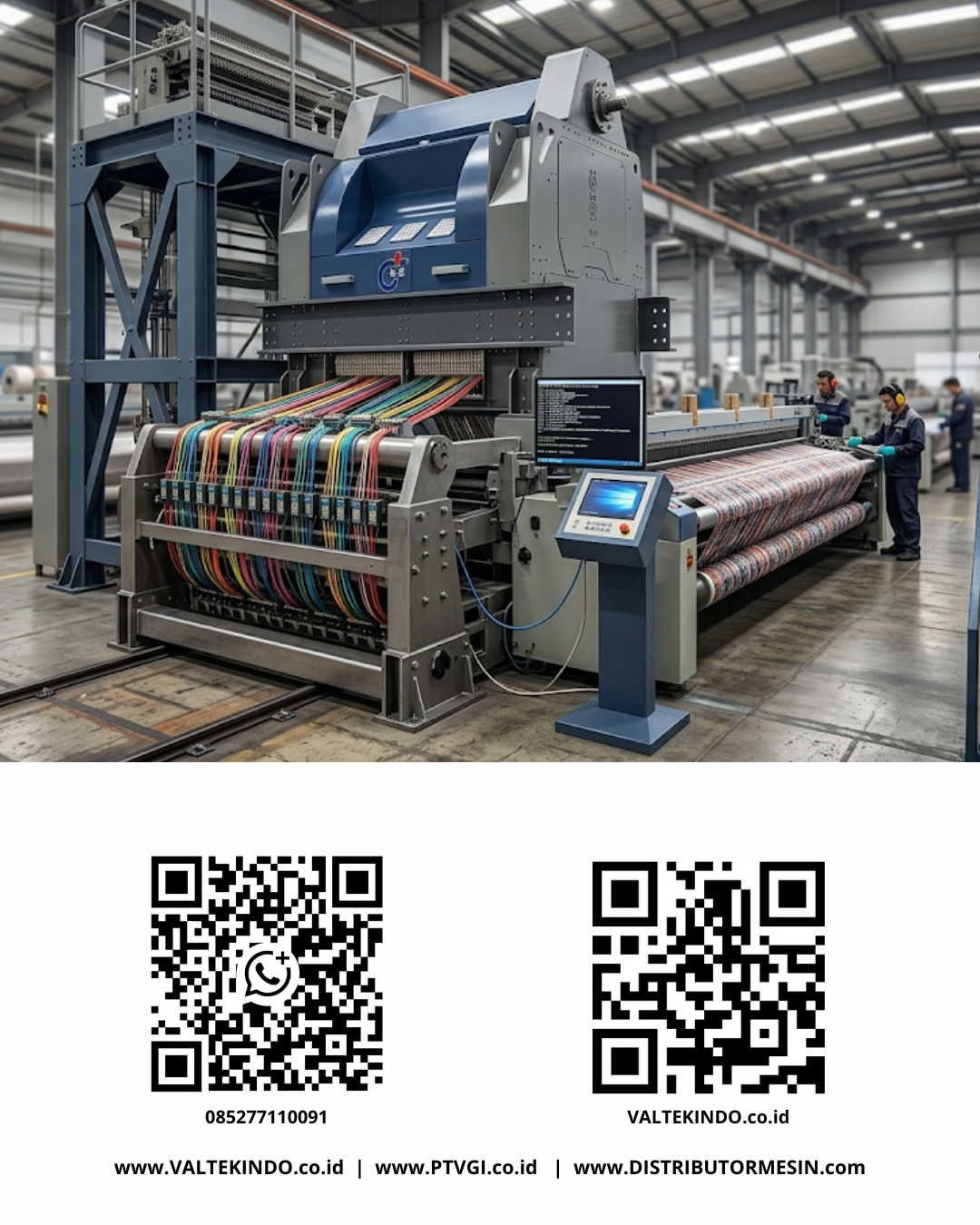
1. Woven Labels Woven labels are created by weaving threads together to form logos or text. Their primary advantage is incredible color durability and a premium feel. These labels do not fade easily, even after repeated washing. The quality of detail on these labels depends heavily on the machine technology used; the more precise the machine, the smoother the resulting label surface. To achieve highly detailed results, the industry often relies on precision electronic jacquard machines to ensure every thread is perfectly interlaced without leaving a scratchy texture.
2. Satin Labels Satin is characterized by a glossy surface and a very soft texture against the skin. This material is typically the top choice for baby clothes, lingerie, or evening gowns. Due to its silk-like softness, satin labels almost never cause irritation, making them the gold standard for sensitive skin comfort.
3. Nylon Labels (Taffeta) Nylon is frequently used for care labels (washing instructions). The texture is similar to smooth paper but extremely durable. Unfortunately, if the edges are not cut neatly, nylon labels tend to have sharp borders that can prick the skin.
4. Heat Transfer Labels (Tagless) This technology does not use additional fabric; instead, it prints information directly onto the garment's surface. This is the most comfortable solution because there is no physical foreign object attached to sensitive areas like the neck or waist.
The Impact of Label Material on Comfort
User comfort is influenced by two main factors regarding the label: surface texture and cutting quality.
- Skin Irritation: Stiff and coarse label materials often cause chronic friction against the skin. This can trigger redness, especially in sensitive areas like the nape of the neck.
- Thermoregulation: Labels that are too large and made of synthetic materials that do not absorb sweat can create a damp area under the label, leading to a stifling or itchy sensation.
- Flexibility: Sportswear requires elastic or highly flexible labels. A stiff label will restrict the fabric's movement and feel intrusive during high-intensity physical activities.
Therefore, it is crucial for industry players to ensure that every supporting component of the garment is processed with high technological standards. Using the right production tools, such as those available through a trusted textile machinery solutions provider, will help deliver a final product that is safe and comfortable for the user's skin.
Conclusion
Optimize Your Industry Today!
Achieve production efficiency and the highest quality standards with a trusted industrial machinery provider. Explore our wide selection of premium processing and testing equipment at:
Website : valtekindo.co.id
Website : distributormesin.com
Consult your technical needs with our expert sales team:
WhatsApp 1: +62 852-2211-0091
WhatsApp 2: +62 852-7711-0091

Admin
AuthorAdmin is a writer on the Valtekindo website, providing informative content about High Quality Industrial Machinery and Testing Machines.
Related post:
- Pharmaceutical Factory Production Escalation Strategy: Why Investing in an Automatic Capsule Filling Machine is the Most Crucial Business Decision
- High-Precision Wire Cut EDM Technology in 2026: The Ultimate Solution for Mold Making, Stamping Dies, and Automotive Component Fabrication Without Thermal Distortion
- 2026 Automated Carton Sealer & Erector Investment Guide: End-of-Line Automation Strategies for Industrial Plant Efficiency