Understanding Tire Retreading: Stages, Technology, and Safety Standards
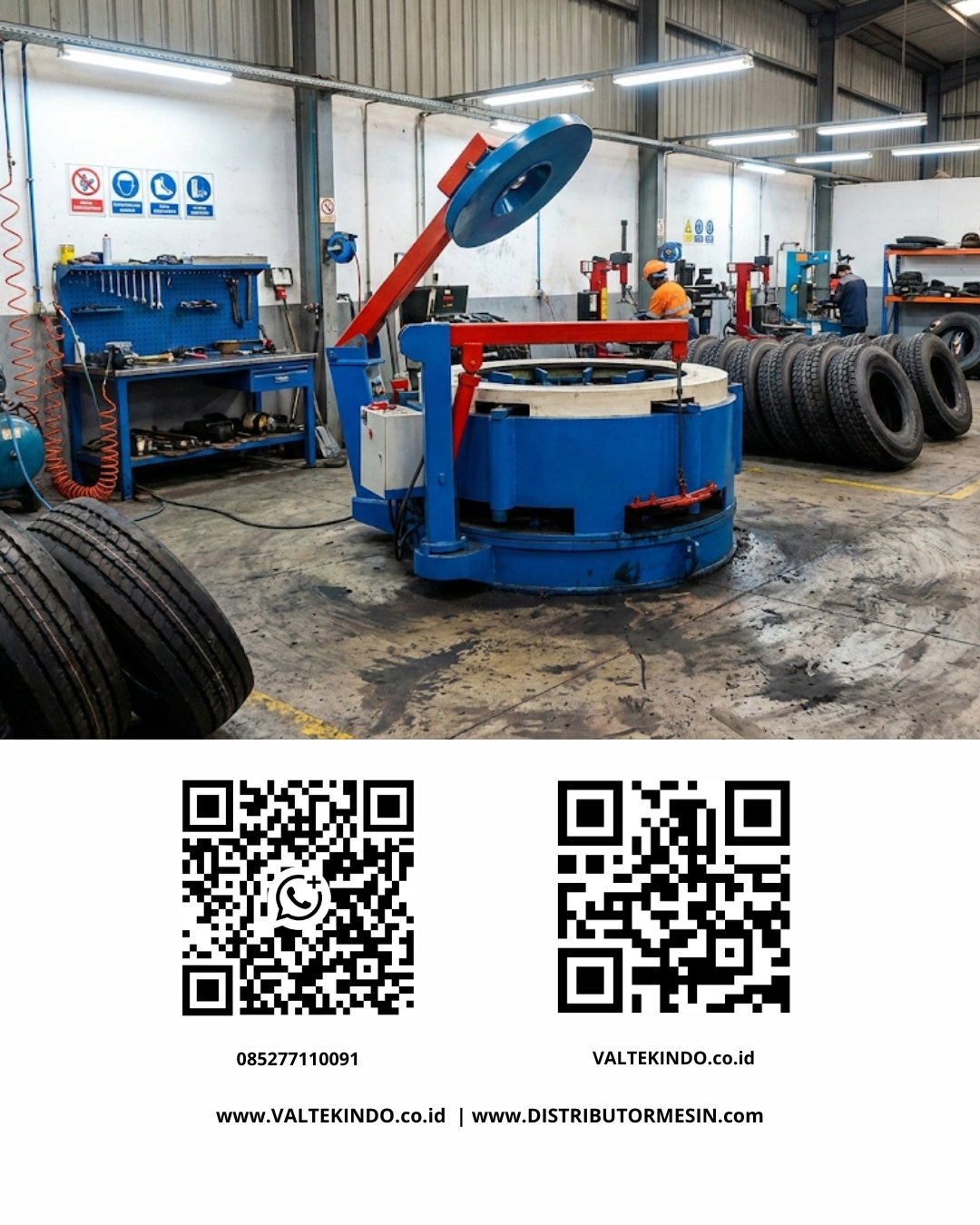
In the transportation and logistics industry, operational cost efficiency is the key to business sustainability. One of the components with the highest maintenance cost is tires. Consequently, the method of retreading has become a strategic solution that is not only economical but also environmentally friendly. However, there are still many misconceptions regarding the safety of retreaded tires. This article will thoroughly explore the technical stages, the technology used, and the safety standards that must be met.
What is Tire Retreading?
Simply put, retreading is the process of rejuvenating worn-out tires by replacing the old tread with a new one on a casing (the tire body) that is still in good condition. This process extends the tire's lifespan by two or three times without significantly reducing performance, provided it is carried out using correct procedures.
Crucial Stages in the Retreading Process
Retreading is not merely about gluing on new rubber. It is a series of strict technical procedures designed to ensure user safety.
- Initial Inspection: This stage is the primary filter. Technicians inspect the tire casing visually and use specialized tools to detect structural damage, such as broken wires or liner leaks. Only healthy casings can proceed to the next stage.
- Buffing: The remaining old tread rubber is precisely shaved off to form a rough and even surface. This texture is critical for ensuring the new rubber adheres perfectly.
- Repair: If there are small holes or surface defects on the casing, these areas are cleaned and patched (skiving).
- Building (New Rubber Installation): Cushion gum and new tread (precured tread) are applied. This is where technology plays a vital role. The use of high-precision retreading support equipment largely determines the bond strength between the old casing and the new rubber, minimizing the risk of tread separation during use.
- Curing: The tire is placed into a heating chamber with specific temperature and pressure settings to chemically bond all components together.
Technology and Safety Standards
There are two popular methods in retreading: Hot Retreading and Cold Retreading. The cold method is currently more popular for commercial vehicle tires because the heating temperature is lower (around 100°C - 110°C), ensuring that the steel wire structure of the tire casing remains undamaged.
Regarding safety, the modern retreading industry must comply with national or equivalent international standards. Strict quality control ensures that retreaded tires can withstand loads and heat just as well as new tires.
Beyond the technical aspects, this industry also holds interesting macroeconomic value. Observing the current challenges and opportunities in the tire retreading industry, there is a visible trend of increasing demand in line with the growth of the infrastructure and logistics sectors. This proves that the market is beginning to trust the quality of local retreading products.
Supporting Material Quality
The success of retreading relies not only on the bonding machinery but also on the quality of the rubber compound used. The rubber must possess high elasticity and abrasion resistance to withstand long distances.
Read Also: Understanding the Working Principle of Rubber Extruder Machines: From Compound to Finished Product
A deep understanding of raw material processing into ready-to-use profiles is fundamental knowledge for industry players to maintain the consistent quality of the final retreaded tire product.
Conclusion
Tire retreading is a blend of recycling and engineering. By following standard procedures and using the right technology, retreaded tires are a smart choice. They reduce rubber waste that is difficult to decompose while simultaneously suppressing vehicle operational costs without sacrificing safety on the road.
Optimize Your Industry Today!
Achieve production efficiency and the highest quality standards with a trusted industrial machinery provider. Explore our wide selection of premium processing and testing equipment at:
Website : valtekindo.co.id
Wesbite : distributormesin.com
Consult your technical needs with our expert sales team:
WhatsApp 1: +62 852-2211-0091
WhatsApp 2: +62 852-7711-0091

Admin
AuthorAdmin is a writer on the Valtekindo website, providing informative content about High Quality Industrial Machinery and Testing Machines.
Related post:
- Pharmaceutical Factory Production Escalation Strategy: Why Investing in an Automatic Capsule Filling Machine is the Most Crucial Business Decision
- High-Precision Wire Cut EDM Technology in 2026: The Ultimate Solution for Mold Making, Stamping Dies, and Automotive Component Fabrication Without Thermal Distortion
- 2026 Automated Carton Sealer & Erector Investment Guide: End-of-Line Automation Strategies for Industrial Plant Efficiency