Understanding the Working Mechanism of Rubber Press Machines in the Manufacturing Industry
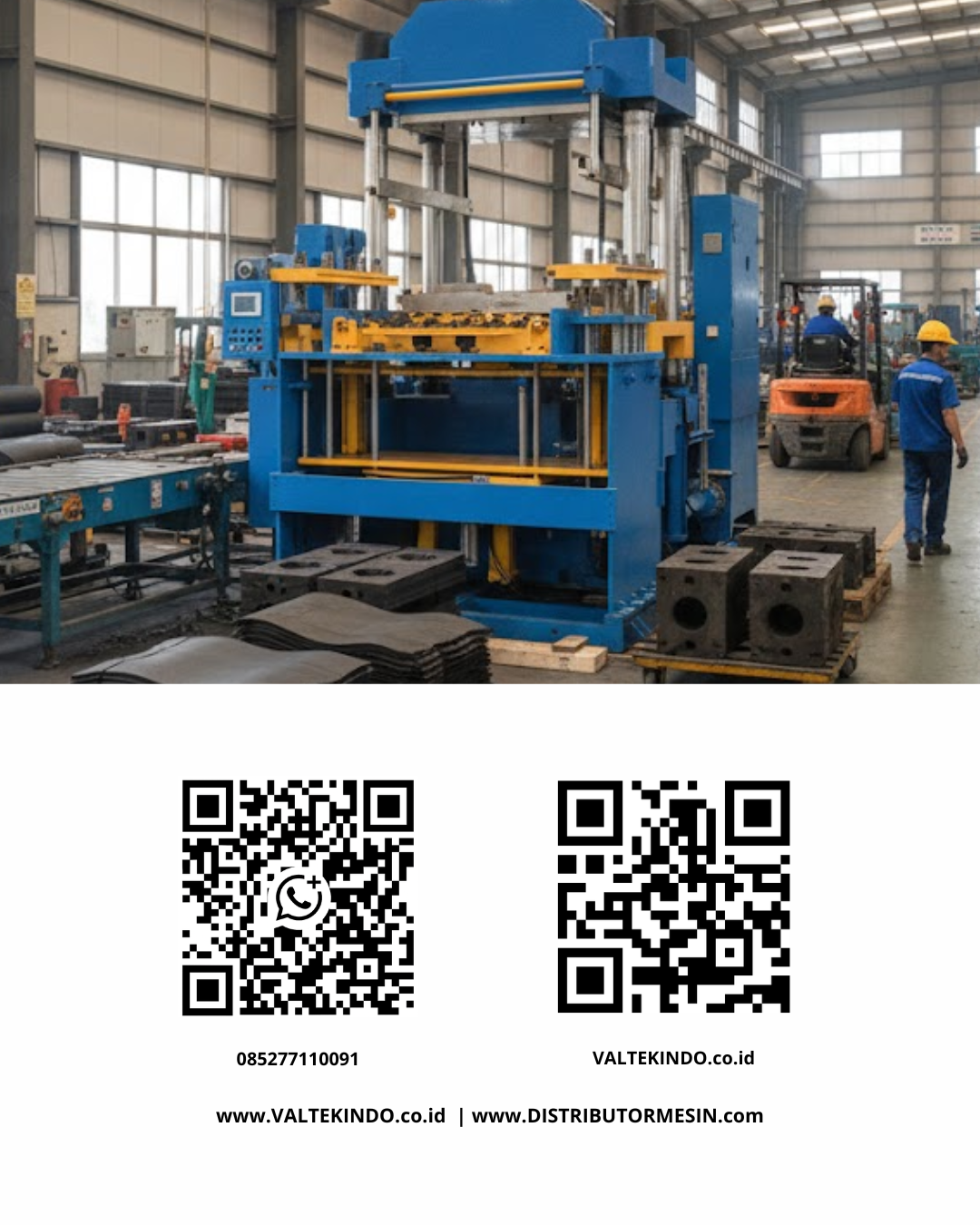
The rubber processing industry is a vital pillar of global manufacturing, producing everything from automotive components to medical devices. At the heart of this production process lies a crucial technology: the rubber press machine. This equipment is responsible for transforming raw materials into finished products through a controlled combination of high pressure and temperature. Understanding how these machines operate is essential for manufacturers to ensure that the quality of the final product meets strict technical standards.
What is the Vulcanization Process?
Before diving into the mechanics of the machine, it is important to understand the fundamental concept behind it: vulcanization. In its natural state, raw rubber is elastic but tends to become soft and sticky when exposed to heat. To provide strength, chemical resistance, and stable elasticity, rubber must undergo a heating process with specific additives (such as sulfur). The press machine serves as the vessel where this chemical and physical transformation occurs under precise control.
Stages of the Rubber Press Machine Working Mechanism
The working mechanism of this machine can be divided into several key stages that function in a continuous cycle:
1. Mold Preparation The initial stage begins with installing the mold onto the machine's heating plates (platens). These molds are typically made of high-quality steel with cavities shaped according to the desired product. Before use, the molds must be cleaned and are often coated with a mold release agent to prevent the rubber from sticking after the process is completed.
2. Pre-heating The press machine uses electric heating systems or hot oil circulation to raise the temperature of the platens. The required temperature usually ranges between 140°C and 180°C, depending on the specific rubber compound being used. Temperature consistency is crucial; if it is too low, the rubber will not cure properly, and if it is too high, the material may burn or degrade.
3. Material Loading Phase The pre-mixed rubber material (compound) is placed into the mold cavities. In more modern systems, this process is handled via a high-precision injection unit. Utilizing p-series rubber injection technology allows the material to enter the mold chamber with more even distribution and minimal air bubbles, significantly increasing production efficiency compared to manual methods.
4. Clamping and Pressing Once the material is inside, the hydraulic system closes the machine with massive tonnage force. This pressure ensures the rubber fills every detail of the mold cavity and forces out any trapped air. High pressure also prevents unwanted shrinkage during the material's phase change.
5. Curing Process (Vulcanization) This is the stationary phase where the rubber is left under pressure and heat for a specific duration. During this time, molecular cross-linking occurs, changing the rubber's property from thermoplastic to thermoset (permanent). The success of this stage depends heavily on the accuracy of the temperature sensors and pressure controls within the machine unit.
6. Ejection and Stripping After the curing time is met, the hydraulic pressure is released and the machine opens. The cured rubber product is then removed from the mold. At this stage, a visual quality check is performed to ensure there are no surface defects or unfilled sections.
The Importance of Accuracy in Rubber Manufacturing
In daily operations, choosing the right machine technology directly impacts operational costs. Machines with advanced automation controls can reduce material waste (scrap) and accelerate production cycle times. Further information regarding standardization and specifications for industrial support equipment can be studied in depth through technical references on this official industrial machinery provider website, which focuses on the latest manufacturing solutions.
In conclusion, a rubber press machine is not just a pressing tool, but a precision system integrating hydraulic mechanics, thermodynamics, and material chemistry. By understanding its mechanism, industries can guarantee the durability of the end products they distribute to the market.
Optimize Your Industry Today!
Achieve production efficiency and the highest quality standards with a trusted industrial machinery provider. Explore our wide selection of premium processing and testing equipment at:
Website : valtekindo.co.id
Website : distributormesin.com
Consult your technical needs with our expert sales team:
WhatsApp 1: +62 852-2211-0091
WhatsApp 2: +62 852-7711-0091

Admin
AuthorAdmin is a writer on the Valtekindo website, providing informative content about High Quality Industrial Machinery and Testing Machines.
Related post:
- Pharmaceutical Factory Production Escalation Strategy: Why Investing in an Automatic Capsule Filling Machine is the Most Crucial Business Decision
- High-Precision Wire Cut EDM Technology in 2026: The Ultimate Solution for Mold Making, Stamping Dies, and Automotive Component Fabrication Without Thermal Distortion
- 2026 Automated Carton Sealer & Erector Investment Guide: End-of-Line Automation Strategies for Industrial Plant Efficiency