Understanding the Types and Functions of Optional Accessories in Industrial Control Instruments
In the modern manufacturing ecosystem, the accuracy and stability of control systems are the primary keys to maintaining productivity. Control instruments, such as control valves, temperature sensors, and pressure gauges, often require additional components to operate at their peak performance. These components are known as optional accessories. Although labeled as "add-ons," the role of these accessories is vital in protecting the primary devices from damage and ensuring maximum energy efficiency.
Why Are Optional Accessories Important?
Many field practitioners believe that the primary instrument is sufficient to run a process. However, without the right protection or auxiliary tools, these instruments are vulnerable to environmental fluctuations, contamination, and premature wear. Adding the right accessories can extend the service life of the equipment and reduce long-term maintenance costs.
Key Types of Accessories and Their Functions
1. Filter Regulators and Air Filters
Pneumatic control systems rely heavily on the quality of compressed air. Dust, moisture, and oil particles can clog small passages within positioners or actuators. This is where the filter regulator’s function becomes crucial—filtering contaminants while stabilizing the air pressure entering the instrument.
2. Solenoid Valves
This accessory acts as an automatic switch that controls the flow of fluid (air or liquid) based on electrical signals. In industrial safety systems, solenoids are often used for Emergency Shut-Down (ESD) functions to stop the system instantly in the event of a failure.
3. Limit Switches and Position Feedback
To monitor whether a valve is fully open or tightly closed, a limit switch is required. This accessory provides a confirmation signal to the control room, allowing operators to ensure the process is running according to the desired parameters.
Maintaining Process Stability through Environmental Control
Beyond accessories physically attached to the instrument, production stability is also heavily influenced by ambient working conditions, particularly air humidity. Excessively high humidity can cause corrosion in metal components and interference in the electronic circuits of control instruments.
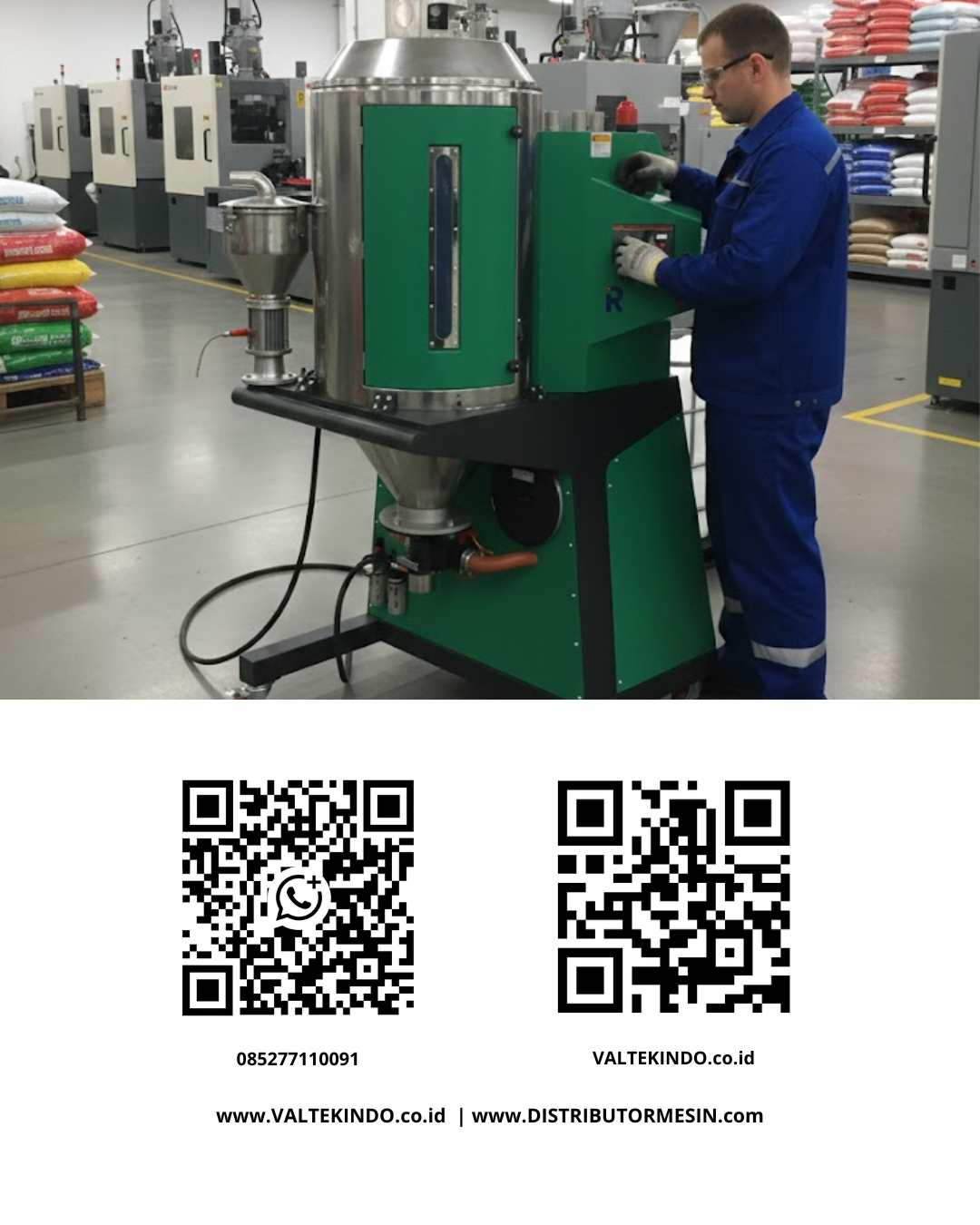
Therefore, integrating devices such as a high-quality industrial dehumidifier loader for a more stable and efficient production process is a smart preventive measure. By maintaining the humidity of materials and air in the production area, control instruments can work more consistently without technical disruptions caused by condensation. This precise humidity control ensures that input variables in the production process do not change drastically, ultimately improving the final product quality.
Safety and Protection Functions: Safety Relays and Isolators
Control instruments often operate in hazardous environments (Ex-proof). Accessories such as safety relays and signal isolators function to prevent electrical surges that could damage the control processor. With signal isolation, data integrity from the field to the PLC/DCS system remains intact despite electromagnetic interference in the surrounding area.
Choosing the Right Accessory for Specific Needs
Every industry has different characteristics. The food and beverage (F&B) industry may require accessories with high hygienic standards, while the oil and gas industry prioritizes resistance to seawater corrosion.
Considerations when choosing accessories include:
- Material Compatibility: Ensure the accessory material (such as stainless steel or polymers) is resistant to the chemicals being processed.
- Certification: Ensure components have internationally recognized safety certifications.
- Ease of Maintenance: Choose designs that allow technicians to perform cleaning or parts replacement without dismantling the entire system.
For companies prioritizing long-term efficiency, investing in quality supporting components through an official automation solutions web portal is a strategic move. This helps minimize the risk of unplanned downtime, which often costs much more than the price of the accessory itself.
Conclusion
Understanding the types and functions of accessories in industrial control instruments is not just about completing the equipment set; it is about building a robust and reliable system. From air filters to humidity control systems, every component has a specific role in creating efficient operational harmony.
Optimize Your Industry Today!
Achieve production efficiency and the highest quality standards with a trusted industrial machinery provider. Explore our wide selection of premium processing and testing equipment at:
Website : valtekindo.co.id
Website : distributormesin.com
Consult your technical needs with our expert sales team:
WhatsApp 1: +62 852-2211-0091
WhatsApp 2: +62 852-7711-0091

Admin
AuthorAdmin is a writer on the Valtekindo website, providing informative content about High Quality Industrial Machinery and Testing Machines.
Related post:
- Pharmaceutical Factory Production Escalation Strategy: Why Investing in an Automatic Capsule Filling Machine is the Most Crucial Business Decision
- High-Precision Wire Cut EDM Technology in 2026: The Ultimate Solution for Mold Making, Stamping Dies, and Automotive Component Fabrication Without Thermal Distortion
- 2026 Automated Carton Sealer & Erector Investment Guide: End-of-Line Automation Strategies for Industrial Plant Efficiency