Understanding the Role of Rollers in Laminating Machines and How to Maintain Them for Longevity
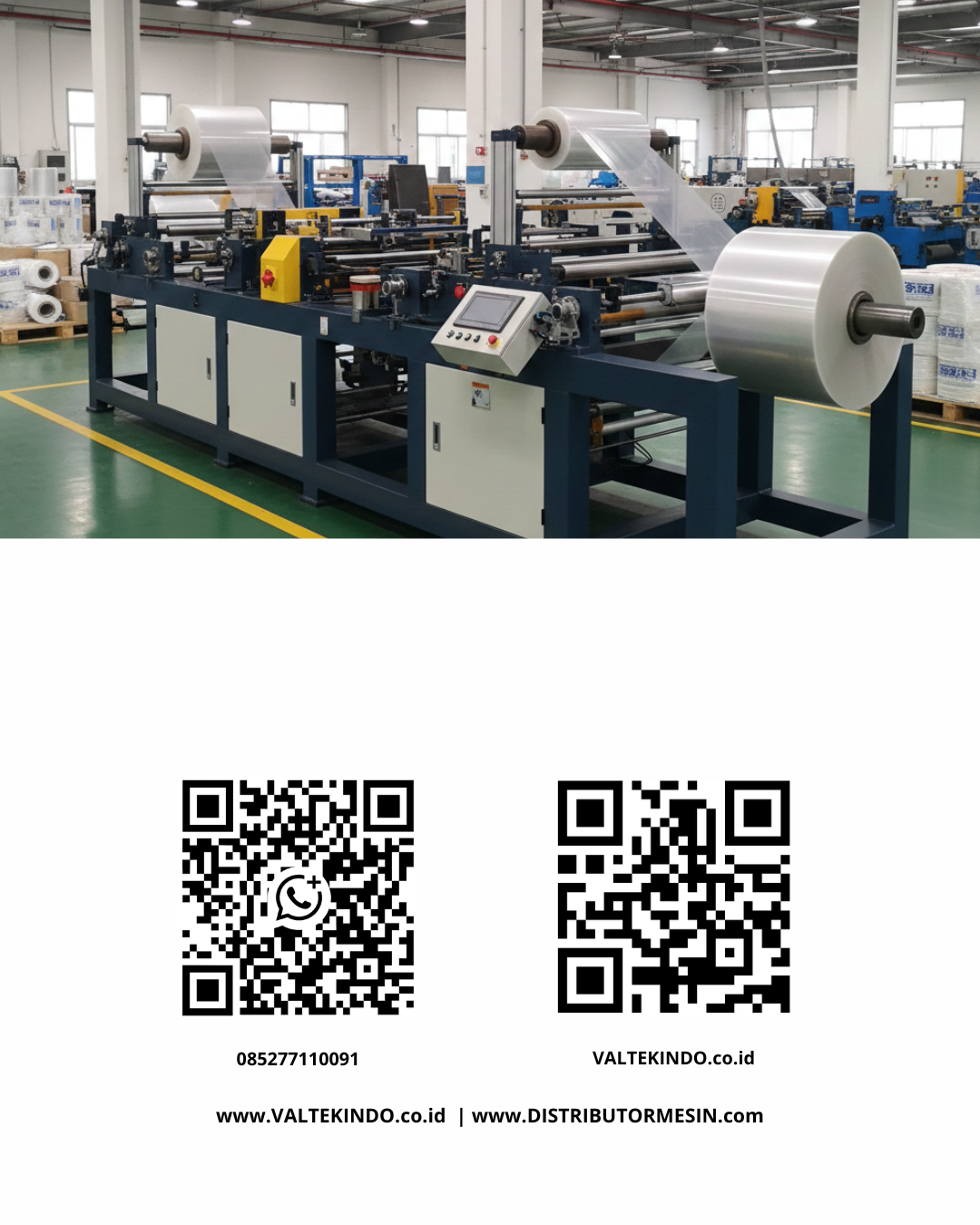
Laminating machines have become essential equipment in offices, graphic design studios, and large-scale printing industries. Their primary function is to provide a protective layer to documents, making them resistant to water, dust, and physical damage. Behind this simple function lies one vital component that determines the quality of the final result: The Roll or Roller.
Understanding how rollers work and how to keep them in prime condition is the key to ensuring your machine investment does not end in premature failure.
The Role and Working Mechanism of Rollers
The roller in a laminating machine is more than just a rotating cylinder. It serves two main functions that operate simultaneously: as a heat conductor and a pressure applicator.
- Even Heat Distribution: In hot laminating types, rollers are usually equipped with heating elements inside or around them. When the machine is turned on, the rollers absorb heat until they reach a specified temperature. This heat melts the adhesive on the laminating film, allowing it to bond perfectly to the paper media.
- Pressure System: While heating the film, the top and bottom rollers clamp the media with specific pressure. This pressure ensures that no air bubbles are trapped between the plastic and the paper. If the roller pressure is not precise or the surface is uneven, the lamination result will appear wavy or unattached in some parts.
- Media Transportation: Rollers are responsible for pulling the material in from the input side and pushing it out to the output side at a stable speed. Consistent speed is crucial so that the plastic does not burn due to overexposure to heat.
In more complex industrial operations, using a laminating machine with precise roller technology is critical to maintaining high productivity without wasting materials.
Common Issues with Rollers
Before moving to the maintenance stage, you need to recognize the early signs of roller damage:
- Adhesive Residue: This is the most common problem. Glue leaking from the edges of the plastic often sticks to the rollers. If left unchecked, it will harden, creating bumps that ruin subsequent lamination results.
- Scratched Roller Surfaces: This usually happens when users try to clean glue residue using sharp objects like cutters or metal rulers.
- Uneven Heat: This indicates a problem with the temperature sensor or the heating element inside the roller.
Guide to Maintaining Rollers for Durability
To keep the machine operating optimally in the long run, here are the maintenance steps you can apply:
1. Routine Cleaning After Use Do not wait for the glue to build up. Once finished and while the machine is still warm (not scorching hot), clean the roller surface using a soft cloth or damp cotton. If the glue is hard to remove, use a special roller cleaning fluid or a little alcohol. Avoid corrosive chemicals that can damage the rubber coating of the roller.
2. Use a Carrier Sheet If possible, use a carrier or protective sheet during lamination. This aims to prevent excess glue from the edges of the plastic from touching the rollers directly, sticking to the protective sheet instead.
3. Adjust Temperature According to Film Thickness Excessive heat not only risks damaging the document but also accelerates the aging of the roller's rubber layer. Ensure the temperature used matches the specifications of your laminating plastic. After use, do not turn off the machine immediately. Let the rollers rotate without heat (cool down mode) for a few minutes to dissipate residual heat evenly.
4. Pay Attention to Workspace Cleanliness Dust entering the machine can stick to the rollers and cause small spots on the lamination results. Ensure the area around the machine is clean and cover the machine when not in use.
For long-term needs, ensure you obtain equipment from a trusted provider through their official website homepage to guarantee the availability of spare parts and technical support if issues occur with the machine's main components.
Conclusion
The roller is the heart of the laminating machine. By understanding how it works—combining heat and pressure—and staying disciplined with routine cleaning, you can ensure the machine remains durable for years. Proper maintenance not only saves on service costs but also guarantees every document is protected with perfect professional quality.
Optimize Your Industry Today!
Achieve production efficiency and the highest quality standards with a trusted industrial machinery provider. Explore our wide selection of premium processing and testing equipment at:
Website : valtekindo.co.id
Website : distributormesin.com
Consult your technical needs with our expert sales team:
WhatsApp 1: +62 852-2211-0091
WhatsApp 2: +62 852-7711-0091

Admin
AuthorAdmin is a writer on the Valtekindo website, providing informative content about High Quality Industrial Machinery and Testing Machines.
Related post:
- Pharmaceutical Factory Production Escalation Strategy: Why Investing in an Automatic Capsule Filling Machine is the Most Crucial Business Decision
- High-Precision Wire Cut EDM Technology in 2026: The Ultimate Solution for Mold Making, Stamping Dies, and Automotive Component Fabrication Without Thermal Distortion
- 2026 Automated Carton Sealer & Erector Investment Guide: End-of-Line Automation Strategies for Industrial Plant Efficiency