Understanding the Production Stages of Molded Charcoal: From Raw Materials to Briquettes
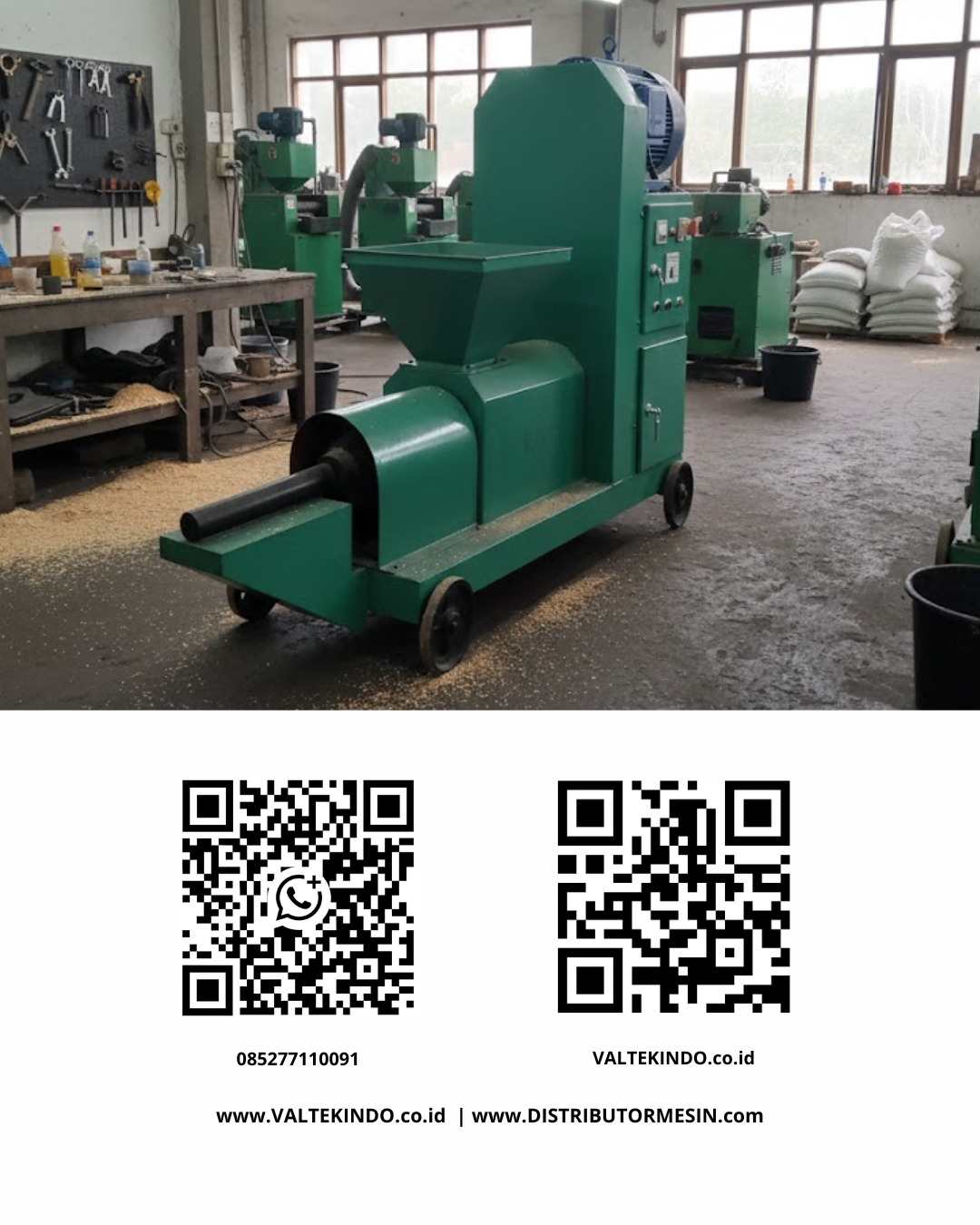
The global shift toward sustainable and renewable energy has brought biomass briquettes into the spotlight. Known as molded charcoal, these products offer a cleaner, more efficient alternative to traditional wood charcoal. Unlike conventional charcoal, molded briquettes provide a higher heat value, longer burning time, and significantly lower smoke emissions. However, transforming raw organic waste into high-quality briquettes is a precise technical journey.
Understanding the production stages of molded charcoal is essential for entrepreneurs, environmentalists, and industrial players looking to convert biomass into high-value energy. Below is an in-depth look at the transformation process.
1. Raw Material Selection and Carbonization
The journey begins with selecting the right biomass. Common materials include coconut shells, sawdust, rice husks, or other agricultural residues. The first critical step is carbonization—a process of incomplete combustion in a closed environment with limited or no oxygen, known as pyrolysis.
During carbonization, moisture and volatile gases are driven out of the raw material, leaving behind concentrated carbon. The quality of the final briquette is heavily dependent on this stage; if the carbonization is incomplete, the resulting charcoal may produce excessive smoke and unpleasant odors when burned.
2. Crushing and Sifting (Grinding)
Once the material is carbonized, it usually comes out as irregular chunks or "char." To create a uniform, dense briquette, this char must be processed into a fine powder. In the context of modern industrial and manufacturing sectors, precision at this stage is vital for product standardization.
The charcoal is fed into a grinding machine to achieve a specific mesh size. After grinding, the powder is sifted to separate any remaining large particles from the fine dust. A uniform particle size ensures that the binder will be distributed evenly, resulting in a smoother surface and a more structurally sound briquette.
3. Mixing with Binding Agents
Pure charcoal powder does not naturally stick together under normal pressure. Therefore, a binding agent is required. Most producers use food-grade cornstarch or tapioca flour, typically making up 3% to 5% of the total mixture.
In this stage, the charcoal powder, binder, and a precise amount of water are combined in a mixing machine. The goal is to achieve a homogenous "dough." If the mixing is uneven, the briquettes may crack or crumble during the drying process or while in transit.
4. Pressing and Molding
This is the heart of the production line where the loose mixture is transformed into a solid form. The mixture is fed into a molding machine that applies high pressure to compress the particles into specific shapes, such as cubes, cylinders, or hexagons.
The efficiency of specialized charcoal briquette processing technology is most apparent here. Higher pressure results in higher density, which directly correlates to a longer burning time and minimal ash production. Properly molded briquettes should feel heavy and solid, with no visible cracks.
5. The Drying Process
Freshly molded briquettes contain a significant amount of moisture from the binding process. If packaged immediately, they will become moldy and will be nearly impossible to ignite. Therefore, the briquettes must be dried until the moisture content is below 10%.
While some smaller operations rely on sun drying, industrial-scale producers use specialized drying ovens. Oven drying is superior because it provides a controlled environment, ensuring that the core of the briquette is as dry as the surface. This consistency prevents the briquettes from "spitting" or popping when they are eventually lit.
6. Cooling, Sorting, and Packaging
After leaving the dryer, the briquettes must undergo a stabilization or cooling period. This prevents "auto-ignition," which can occur if hot briquettes are packed too tightly together. Once cooled, the briquettes are sorted to remove any broken or misshapen pieces.
Final quality control ensures that only products meeting the required density and aesthetic standards reach the consumer. The briquettes are then packed in moisture-proof bags and boxes to maintain their dryness during storage and international shipping.
Conclusion
The production of molded charcoal is a sophisticated recycling process that turns waste into "black gold." From the initial carbonization to the final packaging, each step requires attention to detail and the right technical approach to ensure a high-performance end product.
Optimize Your Industry Today!
Achieve production efficiency and the highest quality standards with a trusted industrial machinery provider. Explore our wide selection of premium processing and testing equipment at:
Website : valtekindo.co.id
Website : distributormesin.com
Consult your technical needs with our expert sales team:
WhatsApp 1: +62 852-2211-0091
WhatsApp 2: +62 852-7711-0091

Admin
AuthorAdmin is a writer on the Valtekindo website, providing informative content about High Quality Industrial Machinery and Testing Machines.
Related post:
- Pharmaceutical Factory Production Escalation Strategy: Why Investing in an Automatic Capsule Filling Machine is the Most Crucial Business Decision
- High-Precision Wire Cut EDM Technology in 2026: The Ultimate Solution for Mold Making, Stamping Dies, and Automotive Component Fabrication Without Thermal Distortion
- 2026 Automated Carton Sealer & Erector Investment Guide: End-of-Line Automation Strategies for Industrial Plant Efficiency