Understanding the Function of Machine Calenders in Paper Industry Finishing
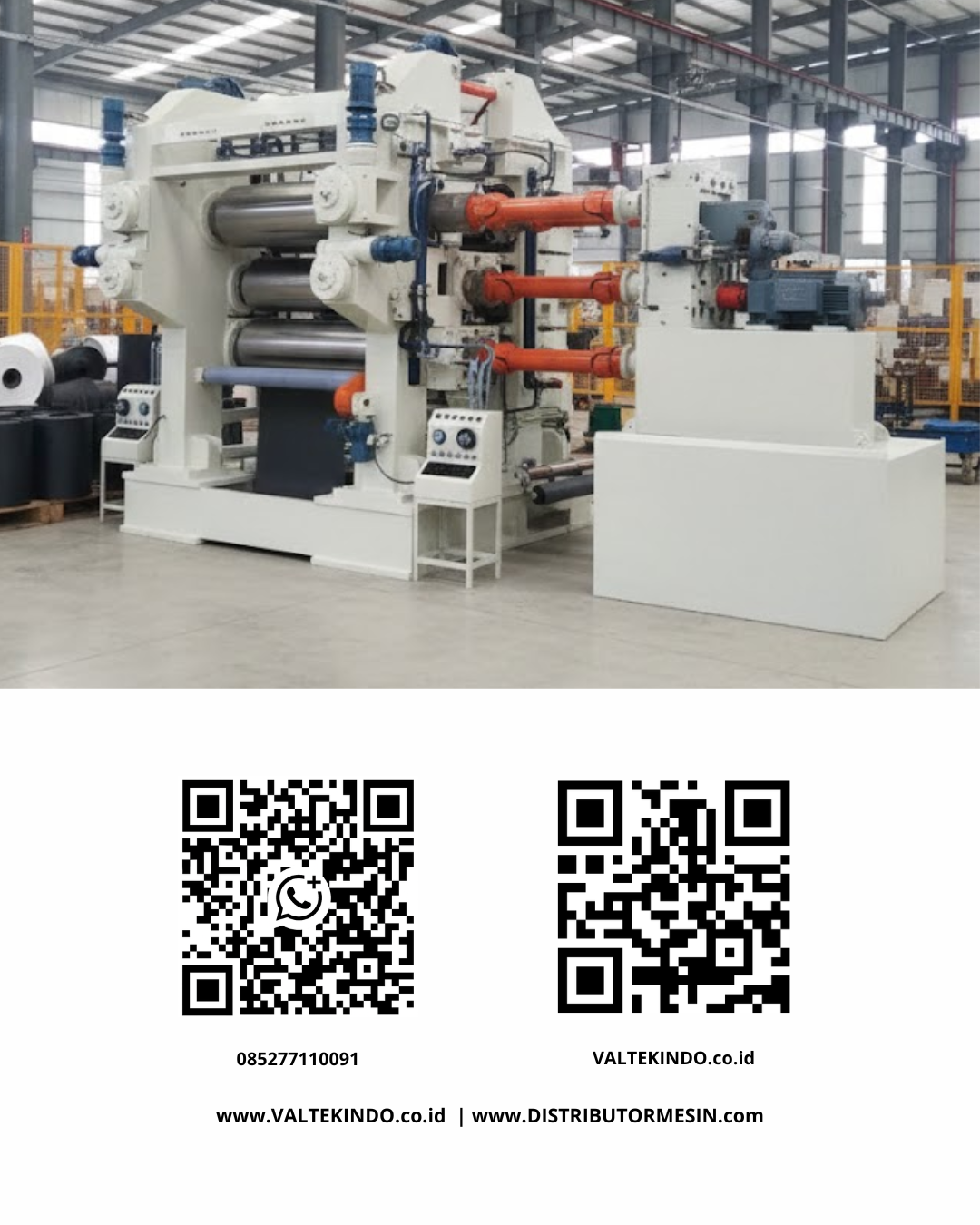
In the global manufacturing ecosystem, paper remains a crucial material, spanning from office supplies to industrial packaging. However, paper sheets emerging directly from the paper machine often possess a rough texture, uneven thickness, and a lack of luster. To transform these raw sheets into high-quality products, a vital stage known as finishing is required. This is where the calendering machine plays a pivotal role.
What is the Calendering Process?
Technically, calendering is a mechanical process where a paper web is passed through the gaps between two or more rollers (cylinders) rotating under controlled pressure. The process is remarkably similar to ironing clothes; a combination of heat, pressure, and friction is applied to smooth out the material's surface. In the paper industry, these rollers are arranged in a vertical stack known as a calender stack.
The primary objective of using a machine calender is to densify the paper sheet and impart specific physical characteristics that meet market standards. Without this stage, the paper would be difficult to print on, as ink would not absorb evenly onto a coarse surface.
Key Functions of Machine Calenders in Industry
The application of calendering technology brings significant transformations to the paper's characteristics. Here are its primary functions:
1. Enhancing Surface Smoothness The most visible function of calendering is creating a sleek surface. As the paper passes through heavily pressed rollers, protruding fibers are flattened. This smoothness determines "printability"; the smoother the surface, the sharper and more detailed the resulting images or text will be.
2. Uniform Thickness Control (Caliper Control) In mass production, consistency is paramount. The calender machine ensures that the entire sheet maintains a uniform thickness from edge to edge. Variations in thickness can cause serious issues in high-speed printing presses or automated packaging machines that require high precision.
3. Increasing Density and Strength High pressure from the rollers reduces the air volume between paper fibers, thereby increasing its density. Denser paper tends to be stronger and offers better resistance to the penetration of liquids, such as inks or protective coatings.
4. Providing a Glossy Finish For specific types of paper, such as magazine covers or exclusive brochures, a glossy effect is highly desired. By using heated rollers or rollers with special coatings, the calendering process triggers structural changes on the surface that reflect light more effectively, providing a premium and professional look.
Working Mechanism and Roller Technology
The effectiveness of this process relies heavily on the roller configuration. Typically, the machine consists of a mix of hard metal rollers (usually chilled cast iron) and soft rollers coated with elastic materials. The interaction between hard and soft materials allows for a more even distribution of pressure without permanently damaging the fiber structure.
Interestingly, the mechanical principles used in the paper industry share a fundamental synergy with systems used in other sectors. For instance, the accuracy in regulating pressure and temperature on rotating cylinders is a key feature also found in high-precision calendering machine applications often implemented in processing polymers and other elastic materials. This technical consistency highlights that precision surface control is the gold standard in modern manufacturing.
The Importance of Machine Maintenance
Given the heavy workload and constant pressure involved, calender machines require routine maintenance. Wear and tear on roller surfaces can lead to paper defects, such as streaks or unwanted variations in gloss. Therefore, selecting durable, high-quality machine components is highly recommended for long-term production efficiency. You can learn more about reliable industrial equipment standards through a comprehensive manufacturing solutions catalog to ensure every operational stage runs without technical hitches.
Conclusion
A machine calender is not just an additional step in paper production; it is the final arbiter of product quality. From aesthetic aspects like gloss and smoothness to functional aspects like thickness and ink absorption, everything depends on the efficiency of the calendering process. Understanding these functions helps industry players become more selective in choosing supporting technologies capable of delivering precise results.
Optimize Your Industry Today!
Achieve production efficiency and the highest quality standards with a trusted industrial machinery provider. Explore our wide selection of premium processing and testing equipment at:
Website : valtekindo.co.id
Website : distributormesin.com
Consult your technical needs with our expert sales team:
WhatsApp 1: +62 852-2211-0091
WhatsApp 2: +62 852-7711-0091

Admin
AuthorAdmin is a writer on the Valtekindo website, providing informative content about High Quality Industrial Machinery and Testing Machines.
Related post:
- Pharmaceutical Factory Production Escalation Strategy: Why Investing in an Automatic Capsule Filling Machine is the Most Crucial Business Decision
- High-Precision Wire Cut EDM Technology in 2026: The Ultimate Solution for Mold Making, Stamping Dies, and Automotive Component Fabrication Without Thermal Distortion
- 2026 Automated Carton Sealer & Erector Investment Guide: End-of-Line Automation Strategies for Industrial Plant Efficiency