Understanding the Differences in Tearing Strength Test Methods for Textile and Paper Materials
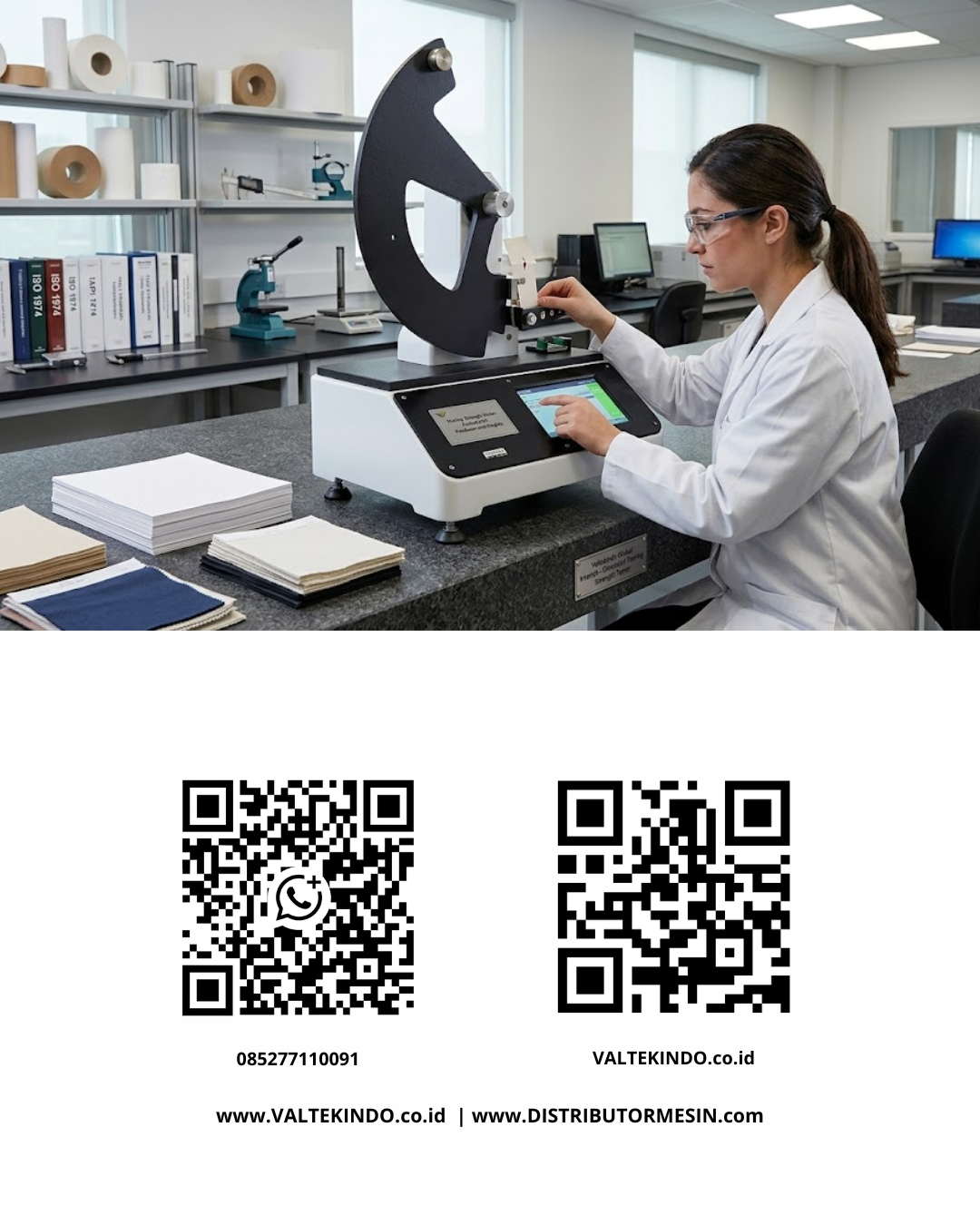
In the manufacturing industry, a material's resistance to physical damage is a crucial quality parameter. One of the most common evaluations performed is the tearing strength test. This test aims to measure the force required to propagate a tear that has already been initiated in a specimen. While they may appear similar at first glance, the testing methods for textile and paper materials involve significantly different standards, mechanisms, and characteristics.
Why is Tearing Strength Testing Essential?
Imagine a tent fabric caught on a tree branch or an important paper document snagged by a clip. Without adequate tear resistance, a small nick can rapidly expand, leading to a total failure of the material's function. Therefore, manufacturers must ensure their products meet international standards such as ASTM or ISO to maintain consumer trust and safety.
Tearing Strength Testing in Textile Materials
In the textile industry, tear tests are conducted to simulate daily wear and tear where a fabric might get caught on a sharp object. The nature of fabric—consisting of interlaced yarns (warp and weft)—makes the tearing process complex as it involves the shifting and bundling of yarns within the weave structure.
- Elmendorf Method (Ballistic Pendulum): This is the most widely used method. It operates on the principle of gravity, using a falling pendulum to tear the fabric. The energy lost during the tearing process is measured and converted into the tearing force value.
- Tongue Tear Method: The specimen is cut into a shape resembling a tongue, and the two "tails" are pulled in opposite directions using a Tensile Tester. This method focuses more on the strength of individual yarns as they break one by one.
- Trapezoid Method: Frequently used for non-woven materials or technical fabrics, where the specimen is clamped in a way that forces the tear to propagate along a specific path.
It is important to note that in textiles, grain direction is a determining factor. Test results in the warp direction will differ from the weft direction; thus, testing must be performed on both to obtain comprehensive data.
Tearing Strength Testing in Paper Materials
Unlike textiles, paper is an isotropic (or near-isotropic) material consisting of randomly oriented cellulose fibers bonded together. Testing on paper generally follows ISO 1974 or TAPPI T414 standards.
Similar to textiles, the Elmendorf method is the gold standard in the paper industry. However, the variables observed are different. In paper, factors such as fiber length, the degree of pulp refining (beating), and the use of fillers significantly influence the final result. Interestingly, tearing strength in paper often has an inverse relationship with tensile strength; as fiber bonding increases, the paper may become stiffer and more prone to tearing once an initial rupture occurs.
Key Differences: Textile vs. Paper
Technically, the fundamental difference lies in the internal structure of the material:
- Tear Mechanism: In textiles, tearing involves the displacement and grouping of yarns before they eventually snap. In paper, tearing occurs through the rupture of inter-fiber hydrogen bonds or the breaking of the cellulose fibers themselves.
- Sample Preparation: Textile samples often require stricter moisture conditioning because the hygroscopic nature of natural fibers can drastically affect yarn elasticity.
- Testing Instrumentation: While both utilize the pendulum principle, the load capacity and calibration for textile instruments are typically higher compared to those used for thinner, more brittle paper.
To ensure your production output remains consistent, utilizing high-precision instrumentation is vital. Accuracy in selecting a tearing strength tester akurat will assist laboratory technicians in identifying material weaknesses before the product reaches the market. Valid data is more than just a number; it is a guarantee of quality for the end-user.
Factors Influencing Test Results
Several variables can distort test results if not managed properly:
- Rate of Extension: In non-pendulum methods, the pulling speed of the machine must remain constant.
- Specimen Geometry: Imprecisely cut samples lead to uneven force distribution.
- Environmental Conditions: Laboratory temperature and humidity must strictly adhere to international standards.
Understanding these parameters allows companies to achieve raw material efficiency without sacrificing product durability. Visit this laboratory solution information portal to further explore various material testing techniques relevant to modern industrial standards.
Optimize Your Industry Today!
Achieve production efficiency and the highest quality standards with a trusted industrial machinery provider. Explore our wide selection of premium processing and testing equipment at:
Website : valtekindo.co.id
Website : distributormesin.com
Consult your technical needs with our expert sales team:
WhatsApp 1: +62 852-2211-0091
WhatsApp 2: +62 852-7711-0091

Admin
AuthorAdmin is a writer on the Valtekindo website, providing informative content about High Quality Industrial Machinery and Testing Machines.
Related post:
- Pharmaceutical Factory Production Escalation Strategy: Why Investing in an Automatic Capsule Filling Machine is the Most Crucial Business Decision
- High-Precision Wire Cut EDM Technology in 2026: The Ultimate Solution for Mold Making, Stamping Dies, and Automotive Component Fabrication Without Thermal Distortion
- 2026 Automated Carton Sealer & Erector Investment Guide: End-of-Line Automation Strategies for Industrial Plant Efficiency