Understanding Physical Foaming Extrusion Technology in EPE Net Manufacturing
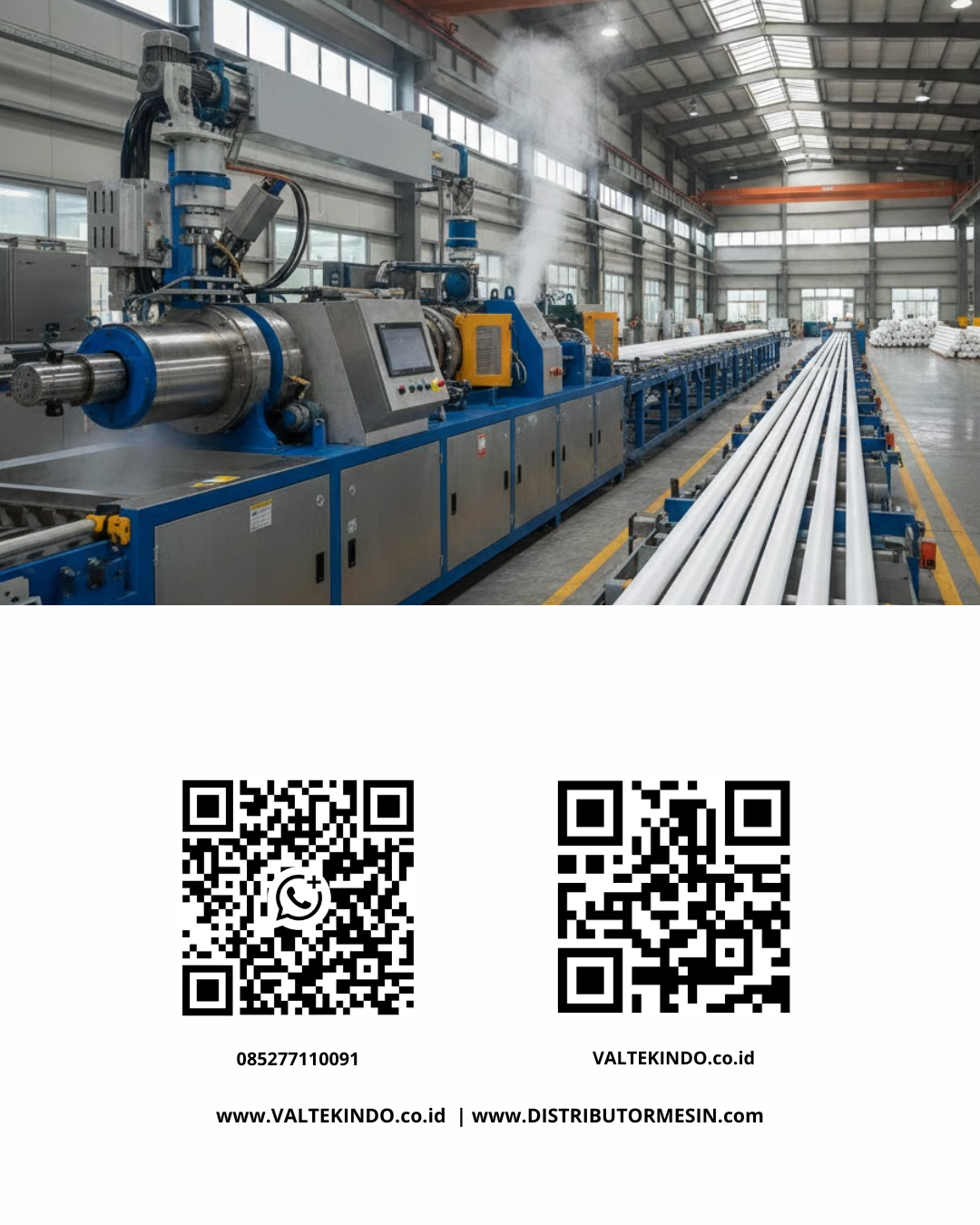
The global packaging industry continues to undergo a significant transformation as the demand for more efficient and lightweight product protection increases. One product that has become a standard in protecting glassware, fruits, and electronic components is Expanded Polyethylene (EPE) foam in the form of nets. Behind the flexibility of these EPE nets lies a sophisticated manufacturing process known as Physical Foaming Extrusion technology.
What is Physical Foaming Technology?
Technically, foaming extrusion is a process of expanding plastic polymers using a blowing agent. In the context of EPE net production, the physical foaming method is preferred over chemical foaming due to its efficiency and cleaner end-product. This process involves injecting high-pressure gas—typically butane or carbon dioxide ($CO_2$)—directly into the molten polyethylene resin within the extruder barrel.
Unlike chemical blowing agents that rely on heat-triggered reactions to produce gas, physical foaming works mechanically. The injected gas dissolves into the liquid polymer under high pressure. As the material exits through the die (mold) into lower atmospheric pressure, the gas expands instantly, creating a microscopic cellular structure that makes EPE incredibly soft yet durable.
Stages of the EPE Net Manufacturing Process
The production of EPE nets involves several crucial stages that must be synchronized to achieve the correct density and texture:
-
Material Melting: Polyethylene (PE) resin is fed into the extruder and heated to an optimal melting point.
-
Gas Injection: The physical blowing agent is injected. This is where the precision of a high-performance
PE foam pipe extruder -
Net Formation: The polymer melt, mixed with gas, flows through a special rotating circular die. The rotation of this mold forms the cross-hatched diamond mesh pattern.
-
Cooling and Haul-off: After exiting the die, the warm net is pulled across a cooling mandrel to lock its cellular structure before finally being wound onto rolls
Advantages of Physical Foaming Technology for Industry
Implementing this technology provides various competitive advantages for manufacturers. The first is the weight aspect. The resulting EPE nets have very low density but exceptional shock absorption capabilities. This is vital in reducing logistics costs because the packaging weight remains minimal.
The second is the environmental aspect. Since it does not involve hazardous chemical reactions, residues from the physical foaming process tend to be minimal, and the final product is often recyclable. Using gases like butane is also more economical for large-scale production compared to expensive chemical additives.
Why Machine Precision is Crucial
In the world of plastic manufacturing, consistency is everything. Even a minor error in temperature settings or gas pressure can cause the net to become brittle or the mesh pattern to be inconsistent. Therefore, choosing production equipment with automated temperature control is a crucial long-term investment.
To achieve maximum operational results, a deep understanding of
Optimize Your Industry Today!
Achieve production efficiency and the highest quality standards with a trusted industrial machinery provider. Explore our wide selection of premium processing and testing equipment at:
Website : valtekindo.co.id
Website : distributormesin.com
Consult your technical needs with our expert sales team:
WhatsApp 1: +62 852-2211-0091
WhatsApp 2: +62 852-7711-0091

Admin
AuthorAdmin is a writer on the Valtekindo website, providing informative content about High Quality Industrial Machinery and Testing Machines.
Related post:
- Pharmaceutical Factory Production Escalation Strategy: Why Investing in an Automatic Capsule Filling Machine is the Most Crucial Business Decision
- High-Precision Wire Cut EDM Technology in 2026: The Ultimate Solution for Mold Making, Stamping Dies, and Automotive Component Fabrication Without Thermal Distortion
- 2026 Automated Carton Sealer & Erector Investment Guide: End-of-Line Automation Strategies for Industrial Plant Efficiency