Understanding Microwave Vulcanization Technology in Modern Rubber Extrusion
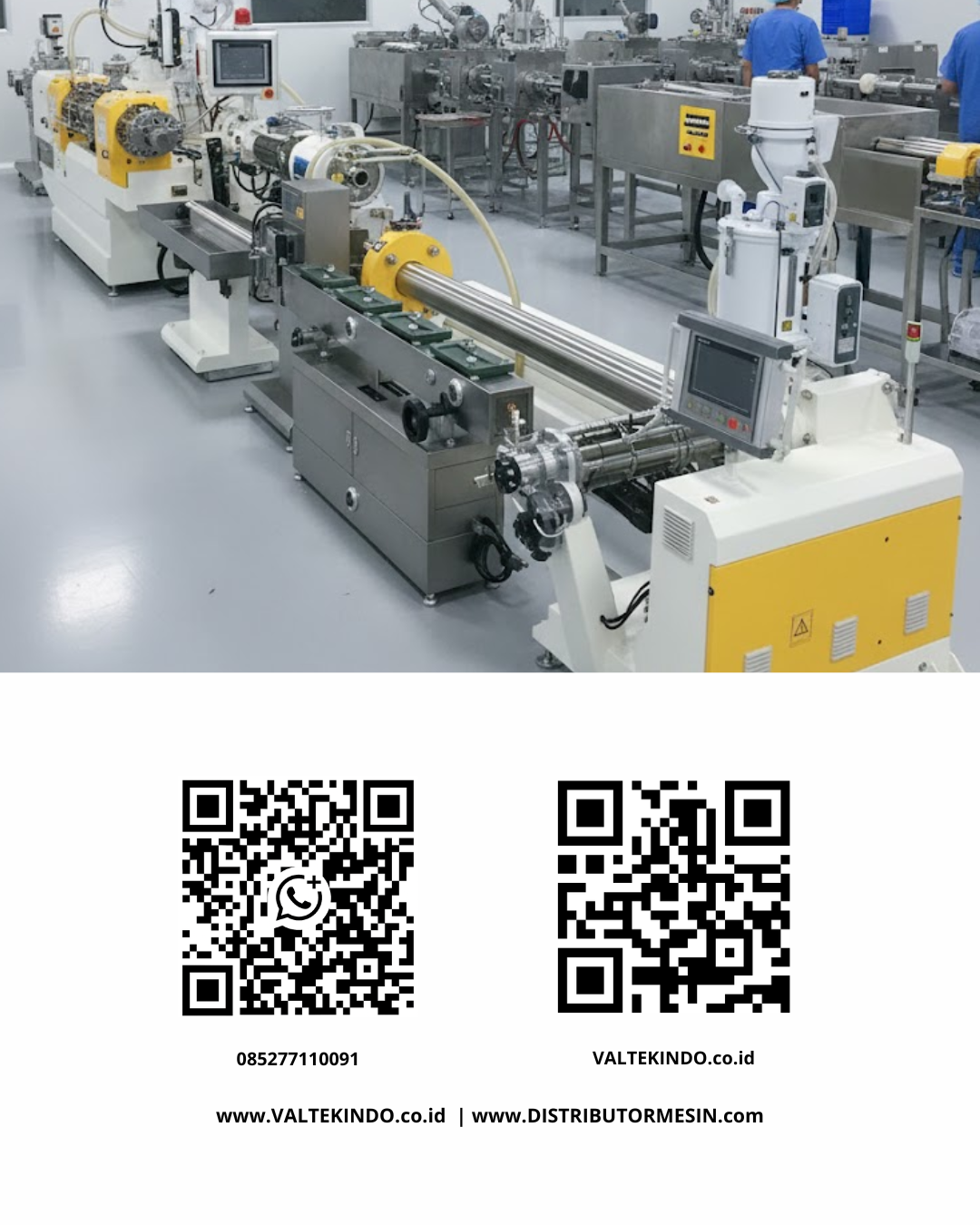
The rubber manufacturing industry is undergoing a significant transformation driven by the demand for energy efficiency and high-precision product quality. One of the most impactful technological leaps in the global industry is Microwave Vulcanization. This technology has shifted the paradigm from conventional methods relying on external heat conduction, offering a faster and more uniform solution for producing rubber profiles.
What is Microwave Vulcanization?
Traditionally, the vulcanization or "curing" of rubber was achieved using hot air or high-pressure steam. However, rubber is naturally a poor thermal insulator. This means that in conventional systems, heat takes a considerable amount of time to travel from the surface to the core of the product, often leading to uneven curing.
Microwave technology flips this logic. By utilizing electromagnetic waves, energy is absorbed directly by the molecules within the rubber compound (specifically polar molecules). This causes molecular friction that generates instantaneous heat from the inside out, simultaneously. This process ensures that the entire molecular structure of the rubber reaches the optimal temperature for cross-linking without the risk of scorching the surface or leaving the center under-cured.
Key Advantages in Modern Extrusion Lines
Implementing microwave systems within an extrusion line provides several competitive edges for manufacturers:
- High Production Speed: Because heating occurs instantaneously, the length of the vulcanization tunnel can be shortened, and line speeds can be drastically increased compared to traditional hot air ovens.
- Uniform Quality and Stability: The risk of deformation in complex rubber profiles is minimized. Even heating ensures that the product dimensions remain stable and consistent throughout the entire production run.
- Energy Efficiency: Energy is used solely to heat the rubber material itself, rather than heating the entire air volume inside the machine, significantly reducing monthly operational costs.
- Eco-Friendly Operations: These systems produce lower emissions and a cleaner working environment compared to steam-based or salt-bath systems.
Integration with Precision Extrusion Systems
In today’s manufacturing ecosystem, this vulcanization technology is often paired with high-accuracy extrusion units. For instance, when producing automotive seals or medical components that require extremely tight tolerances, the synchronization between microwave intensity and material output speed is critical.
This need for perfection is why many industries are transitioning toward high-precision catheter production solutions and other technical profiles. With the right technological support, sensitive materials can be processed without compromising their basic physical characteristics—a standard that is now mandatory for manufacturers looking to compete globally through trusted industrial machinery technology.
Essential Components of a Microwave Line
A modern microwave vulcanization system typically consists of several integrated modules:
- Microwave Generator (Magnetron): The power source that generates the electromagnetic waves.
- Stainless Steel Tunnel: A shielded enclosure where the heating process occurs, designed to prevent radiation leakage.
- Exhaust System: Responsible for removing residual gases or vapors released during the chemical vulcanization process.
- Hot Air Supplement: Often combined with microwave energy to maintain surface temperature stability and evaporate any residual moisture.
Material Challenges and Optimization
It is important to note that not all rubber types react the same way to microwaves. The material must possess a certain level of polarity to absorb waves effectively. EPDM rubber is often a primary candidate for this process. However, with advancements in chemical engineering, various additives are now available that allow even non-polar rubber compounds to benefit from the efficiency of microwave systems.
Conclusion
Microwave Vulcanization is not just a trend; it is a necessity for industries prioritizing speed, precision, and sustainability. By adopting this system, manufacturers can increase production capacity while simultaneously lowering reject rates, ultimately boosting long-term profitability.
Optimize Your Industry Today!
Achieve production efficiency and the highest quality standards with a trusted industrial machinery provider. Explore our wide selection of premium processing and testing equipment at:
Website : valtekindo.co.id
Website : distributormesin.com
Consult your technical needs with our expert sales team:
WhatsApp 1: +62 852-2211-0091
WhatsApp 2: +62 852-7711-0091

Admin
AuthorAdmin is a writer on the Valtekindo website, providing informative content about High Quality Industrial Machinery and Testing Machines.
Related post:
- Pharmaceutical Factory Production Escalation Strategy: Why Investing in an Automatic Capsule Filling Machine is the Most Crucial Business Decision
- High-Precision Wire Cut EDM Technology in 2026: The Ultimate Solution for Mold Making, Stamping Dies, and Automotive Component Fabrication Without Thermal Distortion
- 2026 Automated Carton Sealer & Erector Investment Guide: End-of-Line Automation Strategies for Industrial Plant Efficiency