Understanding Key Components of Modern Plastic Printing Machines for High-Precision Results
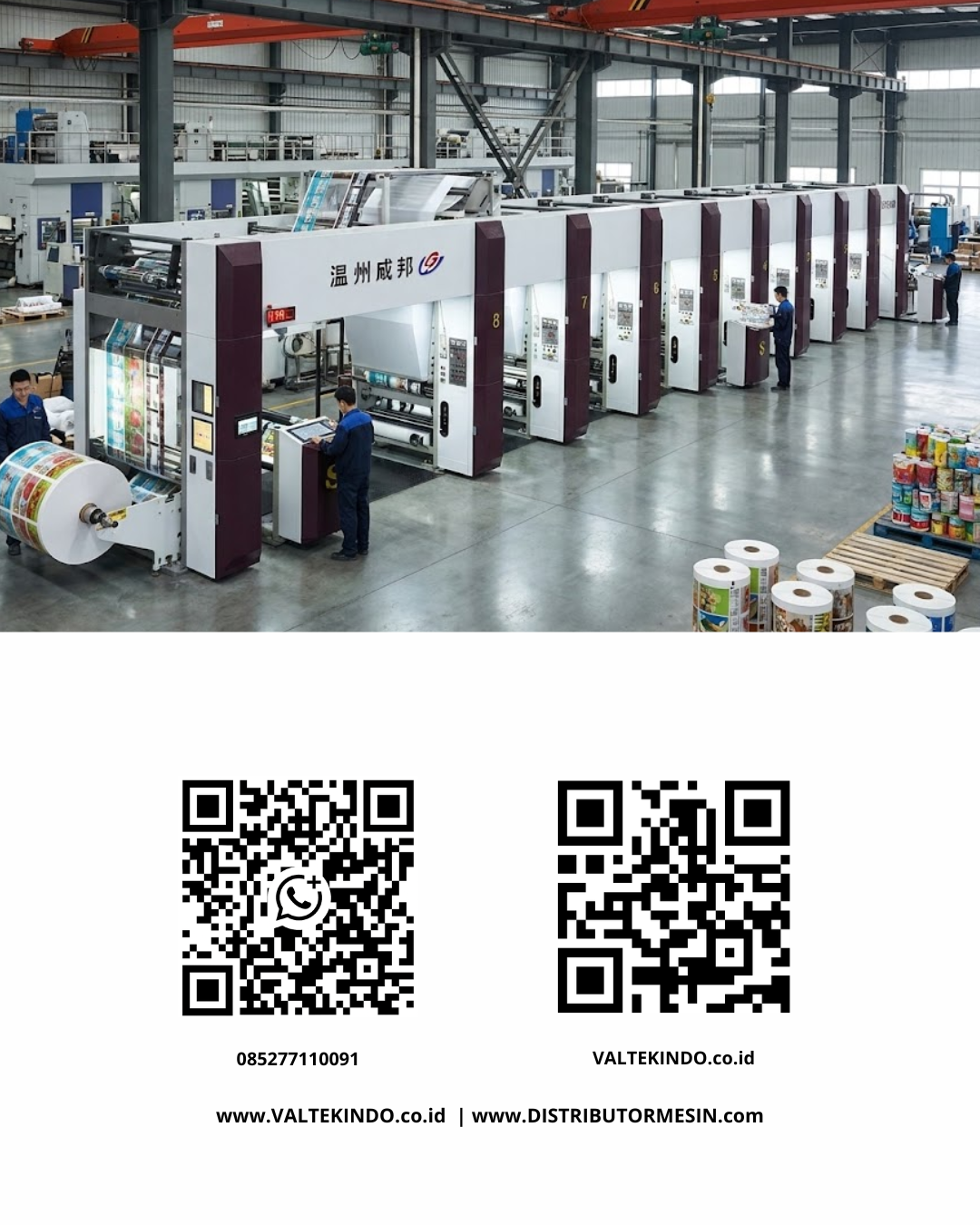
In the increasingly competitive world of flexible packaging, the quality of plastic printing serves as a primary benchmark for both brand professionalism and product integrity. Achieving vivid graphics, sharp gradients, and color consistency across various batches requires a sophisticated interplay of mechanical robusticity and digital intelligence. For industry players aiming to scale their output while maintaining rigorous standards, utilizing high-quality printing machines is essential to handle the complexities of modern substrates. Understanding the internal anatomy of these machines is the first step toward optimizing production performance and minimizing operational waste.
1. Unwinding Systems and Precision Tension Management
The printing process begins at the unwinding unit, where raw material rolls are fed into the machine. Unlike paper, plastic films such as PE, PP, or BOPP are inherently elastic. The primary challenge lies in preventing the material from stretching or wrinkling as it travels through multiple color stations.
A critical component in this stage is the Automatic Tension Control system, which is typically integrated with highly sensitive Load Cells. These sensors detect even the slightest fluctuations in film tension in real-time. If the tension is too high, the printed image will suffer from vertical distortion; if it is too loose, the material may shift laterally, causing misalignment. Modern systems employ independent servo motors at the unwinding stage to ensure a stable, "float-like" flow of material from the beginning to the very end of the roll.
2. The Inking Unit and Gravure Cylinders
In the realm of rotogravure technology—often considered the gold standard for high-volume plastic printing—the precision of the cylinder and the inking mechanism determines the final output quality. The implementation of rotogravure high-speed printing technology allows for the transfer of intricate designs at speeds of hundreds of meters per minute without sacrificing microscopic detail.
Within this unit, the Doctor Blade plays a pivotal role. This thin, specialized steel blade wipes away excess ink from the non-engraved surfaces of the rotating cylinder, ensuring that only the ink trapped within the engraved cells is transferred to the plastic. The angle, pressure, and sharpness of the doctor blade must be perfectly calibrated to prevent common defects like "scumming" or fine streaks. Furthermore, modern ink circulation systems now feature automatic viscosity controllers to keep color density consistent throughout long production cycles.
3. Advanced Drying and Solvent Evaporation Systems
Plastic is a non-porous material, meaning ink does not soak into the fibers but rather sits on the surface. To ensure the ink adheres perfectly and does not result in "blocking" (where the ink sticks to the back of the next layer during rewinding), the machine must be equipped with a high-efficiency drying system.
Modern dryers utilize a combination of high-velocity hot air nozzles positioned between each color station. This heat instantly evaporates the solvents within the ink. However, the system must also feature a robust Exhaust System to safely remove chemical vapors from the work environment. Achieving a "thermal balance" is crucial; excessive heat can cause the plastic film to shrink or deform, ruining the color registration, while insufficient heat leaves the ink tacky.
4. Automatic Color Registration Technology
One of the hallmarks of a high-precision plastic printing machine is its ability to synchronize multiple colors automatically. In a standard CMYK or multi-spot color process, each layer of ink must be laid exactly on top of the previous one with a tolerance often narrower than 0.1 mm.
This is achieved through Photoelectric Sensors that read "eye marks" printed on the edge of the film. If the sensor detects even a microscopic shift in position, the centralized computer controller sends an immediate command to the longitudinal and lateral motors to adjust the cylinder position. This technology drastically reduces "setup waste"—the amount of material discarded during the initial calibration phase—which significantly impacts the bottom line.
5. High-Efficiency Rewinding Systems
The final stage of the process involves the rewinding unit, where the printed plastic is gathered back into a neat roll. The tension here must be tapered—meaning it gradually decreases as the roll diameter grows—to prevent the inner layers from being crushed or the outer layers from telescoping.
Modern machines often utilize Turret Rewinders, which facilitate non-stop operation. These systems allow operators to switch to a new core automatically while the machine is running at full speed. This eliminates downtime and ensures that the finished rolls are wound with uniform density, making them ready for subsequent processes such as lamination or pouch making.
Conclusion
Investing in a deep understanding of machine components is not merely about mechanical knowledge; it is about ensuring market competitiveness. The synergy between precise tension management, stable inking, and automated registration allows manufacturers to meet the dynamic demands of the global packaging market. By prioritizing these core components, production facilities can guarantee a high-precision output that combines aesthetic brilliance with functional reliability.
Optimize Your Industry Today!
Achieve production efficiency and the highest quality standards with a trusted industrial machinery provider. Explore our wide selection of premium processing and testing equipment at:
Website : valtekindo.co.id
Website : distributormesin.com
Consult your technical needs with our expert sales team:
WhatsApp 1: +62 852-2211-0091
WhatsApp 2: +62 852-7711-0091

Admin
AuthorAdmin is a writer on the Valtekindo website, providing informative content about High Quality Industrial Machinery and Testing Machines.
Related post:
- Pharmaceutical Factory Production Escalation Strategy: Why Investing in an Automatic Capsule Filling Machine is the Most Crucial Business Decision
- High-Precision Wire Cut EDM Technology in 2026: The Ultimate Solution for Mold Making, Stamping Dies, and Automotive Component Fabrication Without Thermal Distortion
- 2026 Automated Carton Sealer & Erector Investment Guide: End-of-Line Automation Strategies for Industrial Plant Efficiency