Understanding Coal Analyzer Technology: How It Works and Its Role in the Mining Industry
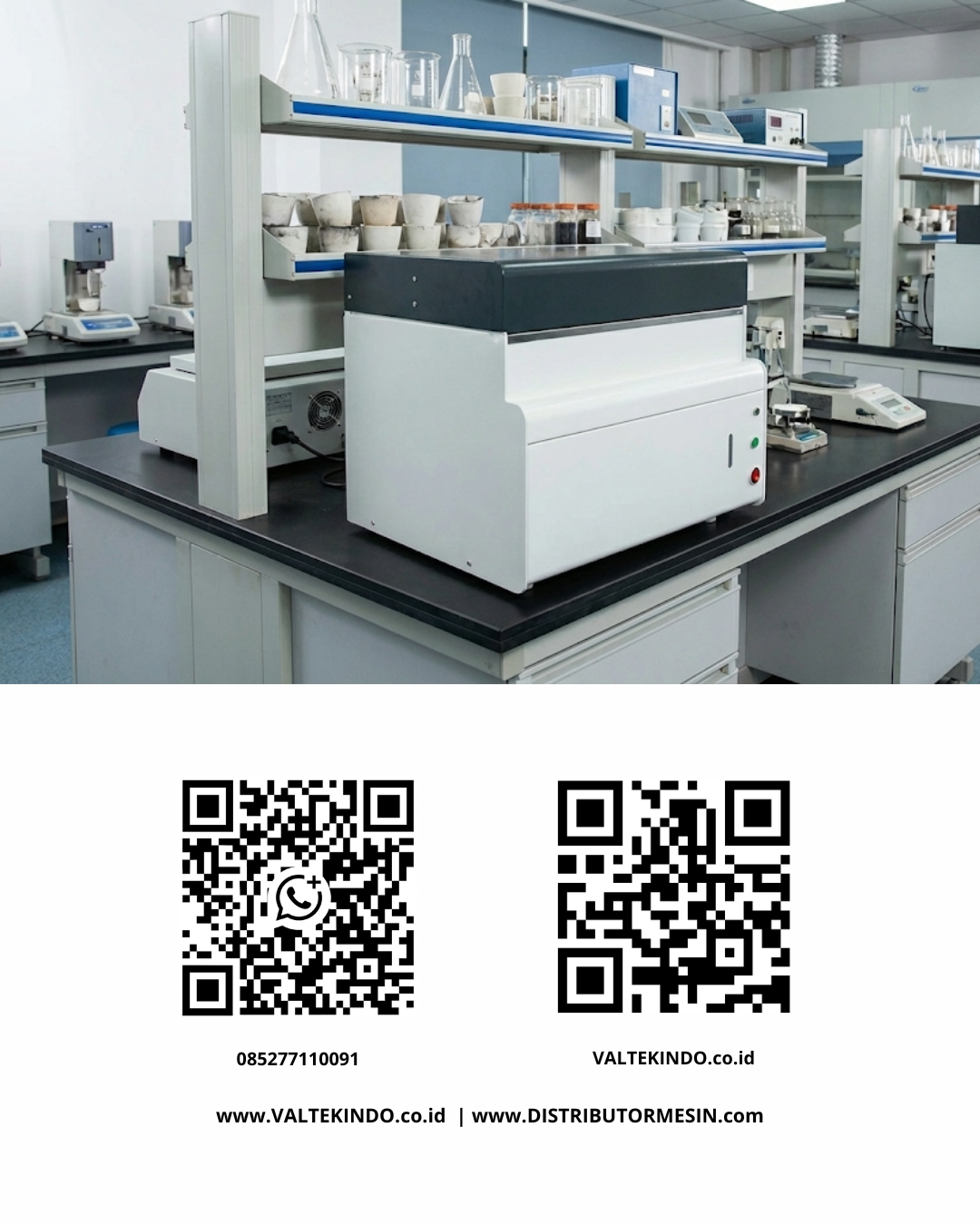
In the modern mining ecosystem, efficiency and data accuracy are the two primary pillars that determine operational success. One instrument that plays a crucial role in achieving these goals is the Coal Analyzer. This technology allows industry players to monitor coal quality in real-time, ensuring that the final product meets the specific standards required by the global market.
What is a Coal Analyzer?
Fundamentally, a Coal Analyzer is an advanced sensory device designed to analyze the chemical and physical composition of coal. In the past, the analysis process took days because samples had to be transported to a laboratory. The advent of automated technology has shifted this paradigm. Today, the use of integrated mine monitoring technology enables companies to obtain instant data on caloric value, moisture content, ash, and sulfur—all without interrupting the production flow on the conveyor belt.
How Coal Analyzer Technology Works
This technology typically operates using neutron radiation or X-ray principles to scan materials passing under its sensors. One of the most popular methods is Prompt Gamma Neutron Activation Analysis (PGNAA).
When coal passes through the scanning area, the device emits neutrons that interact with the atoms within the coal. This interaction produces gamma rays with specific energy levels, which are then captured by detectors. Every chemical element—such as carbon, sulfur, or iron—has a unique gamma energy "fingerprint." Through complex data processing algorithms, the system calculates the percentage of each element and presents it as digital data that is easily understood by operators.
Key Roles in the Mining Industry
The implementation of Coal Analyzers has a significant impact on various stages of mining, including:
- Quality Control: This tool ensures that coal delivered to consumers maintains consistent quality. This is vital for coal-fired power plants that require specific caloric specifications to ensure optimal engine performance.
- Blending Optimization: At stockpiles or ports, high-grade and low-grade coal are often blended. With data from the analyzer, operators can precisely adjust blending ratios to achieve specific quality targets.
- Operational Efficiency: By knowing coal quality instantly, management can make immediate decisions if a coal seam does not meet standards, thereby reducing the risk of cargo rejection.
- Environmental Compliance: Accurate monitoring of sulfur content helps the industry manage exhaust emissions, aligning with increasingly stringent future environmental regulations.
Conclusion
Investing in automated analysis technology is not merely an equipment upgrade; it is a strategic step toward increasing competitiveness in the commodity market. To gain a more comprehensive understanding of technical capabilities and available features, studying the technical specifications of automated coal analysis tools used in large-scale mining operations is an essential reference. With accurate data, natural resource management can be conducted more responsibly, effectively, and profitably.
Optimize Your Industry Today!
Achieve production efficiency and the highest quality standards with a trusted industrial machinery provider. Explore our wide selection of premium processing and testing equipment at:
Website : valtekindo.co.id
Website : distributormesin.com
Consult your technical needs with our expert sales team:
WhatsApp 1: +62 852-2211-0091
WhatsApp 2: +62 852-7711-0091

Admin
AuthorAdmin is a writer on the Valtekindo website, providing informative content about High Quality Industrial Machinery and Testing Machines.
Related post:
- Pharmaceutical Factory Production Escalation Strategy: Why Investing in an Automatic Capsule Filling Machine is the Most Crucial Business Decision
- High-Precision Wire Cut EDM Technology in 2026: The Ultimate Solution for Mold Making, Stamping Dies, and Automotive Component Fabrication Without Thermal Distortion
- 2026 Automated Carton Sealer & Erector Investment Guide: End-of-Line Automation Strategies for Industrial Plant Efficiency