Understanding Bursting Strength Pressure Resistance Testing Methods in the Paper and Textile Industries
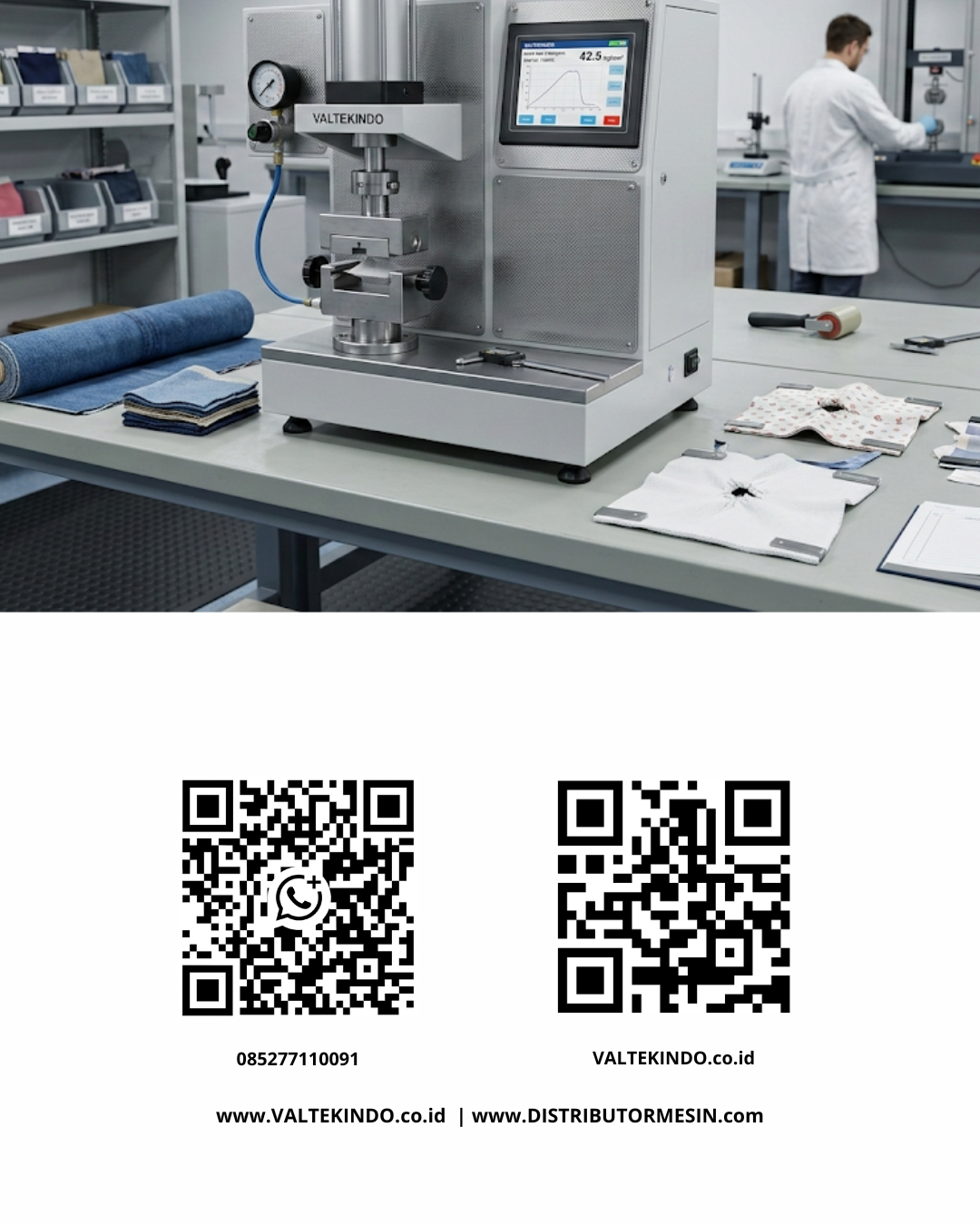
In the world of manufacturing, the quality of a material is not only determined by its appearance but by how well it withstands physical stress during distribution and end-use. One of the most critical parameters for material integrity is Bursting Strength. This measurement serves as a vital indicator for the paper, corrugated board, and textile industries to ensure that products do not fail or rupture when subjected to multi-directional pressure.
What is Bursting Strength Testing?
Technically, bursting strength is defined as the maximum hydrostatic pressure required to cause a sample of material (such as paper or fabric) to rupture when that pressure is applied through a flexible rubber diaphragm. In simpler terms, this test measures the "breaking point" of a material before it yields to internal or external pressure.
The results of this test are typically expressed in units of pressure such as kiloPascals (kPa), $kg/cm^2$, or pounds per square inch (psi). A high value indicates that the material possesses strong fibers and solid inter-fiber bonding, which is essential for heavy-duty packaging or industrial-grade textiles that require high durability.
Crucial Role in the Paper and Packaging Industry
For the paper and corrugated box industry, pressure resistance testing is a mandatory quality control procedure. Consider a cardboard box used to ship electronics or food supplies across long distances. These boxes are stacked in warehouses and transit vehicles, absorbing significant pressure from the weight of the items inside and the stacks above.
Without accurate pressure resistance testing methods, the risk of product damage due to torn or collapsed packaging increases drastically. Factors such as fiber type (softwood vs. hardwood), the beating process, and the use of chemical additives during papermaking significantly influence the final bursting strength results.
Implementation in the Textile Industry
Beyond paper, the textile industry relies heavily on this test, particularly for knitted fabrics and non-woven materials. Unlike woven fabrics, which are usually measured for tensile strength, knitted fabrics have high elasticity, making traditional pull-tests less effective.
Therefore, using hydraulic or air pressure is much more relevant for simulating stress on areas like knees, elbows, or other parts of a garment that experience maximum stretching. Utilizing modern equipment such as a pneumatic bursting strength tester allows textile manufacturers to obtain more precise and consistent data thanks to stable digital controls and touch-screen interfaces.
How the Testing Mechanism Works
Generally, there are two primary methods used in quality control laboratories:
- Hydraulic Method (Mullen Test): This uses liquid pressure (usually glycerin) to push a rubber diaphragm against the sample. This method is highly popular for testing heavy paper and thick corrugated boards.
- Pneumatic Method: This utilizes compressed air. It tends to be cleaner and is often used for lighter materials like thin fabrics or tissue paper, as it provides finer pressure control in the low-to-medium range.
The testing process begins by clamping the sample securely over a diaphragm. Pressure is then increased at a steady rate until the sample bursts. At that exact moment, the sensors record the peak pressure value, providing the final bursting strength rating.
International Standards and Compliance
To ensure that test results are globally recognized, testing must follow strict international standards. Some of the most common standards include:
- ISO 2758 & ISO 2759: International standards for determining the bursting strength of paper and board.
- ASTM D3786: Standard test method for bursting strength of textile fabrics using a diaphragm.
- TAPPI T403: Specifically used for paper products within the North American market.
Conclusion
Understanding bursting strength is more than just a technical laboratory exercise; it is a business strategy to reduce product damage claims and increase consumer confidence. By ensuring that materials have passed the appropriate pressure resistance tests, manufacturers can guarantee that their products are safe, robust, and compliant with promised specifications.
Optimize Your Industry Today!
Achieve production efficiency and the highest quality standards with a trusted industrial machinery provider. Explore our wide selection of premium processing and testing equipment at:
Website : valtekindo.co.id
Website : distributormesin.com
Consult your technical needs with our expert sales team:
WhatsApp 1: +62 852-2211-0091
WhatsApp 2: +62 852-7711-0091

Admin
AuthorAdmin is a writer on the Valtekindo website, providing informative content about High Quality Industrial Machinery and Testing Machines.
Related post:
- Pharmaceutical Factory Production Escalation Strategy: Why Investing in an Automatic Capsule Filling Machine is the Most Crucial Business Decision
- High-Precision Wire Cut EDM Technology in 2026: The Ultimate Solution for Mold Making, Stamping Dies, and Automotive Component Fabrication Without Thermal Distortion
- 2026 Automated Carton Sealer & Erector Investment Guide: End-of-Line Automation Strategies for Industrial Plant Efficiency