Understanding Animal Feed Pellet Production Stages: From Raw Materials to Packaging
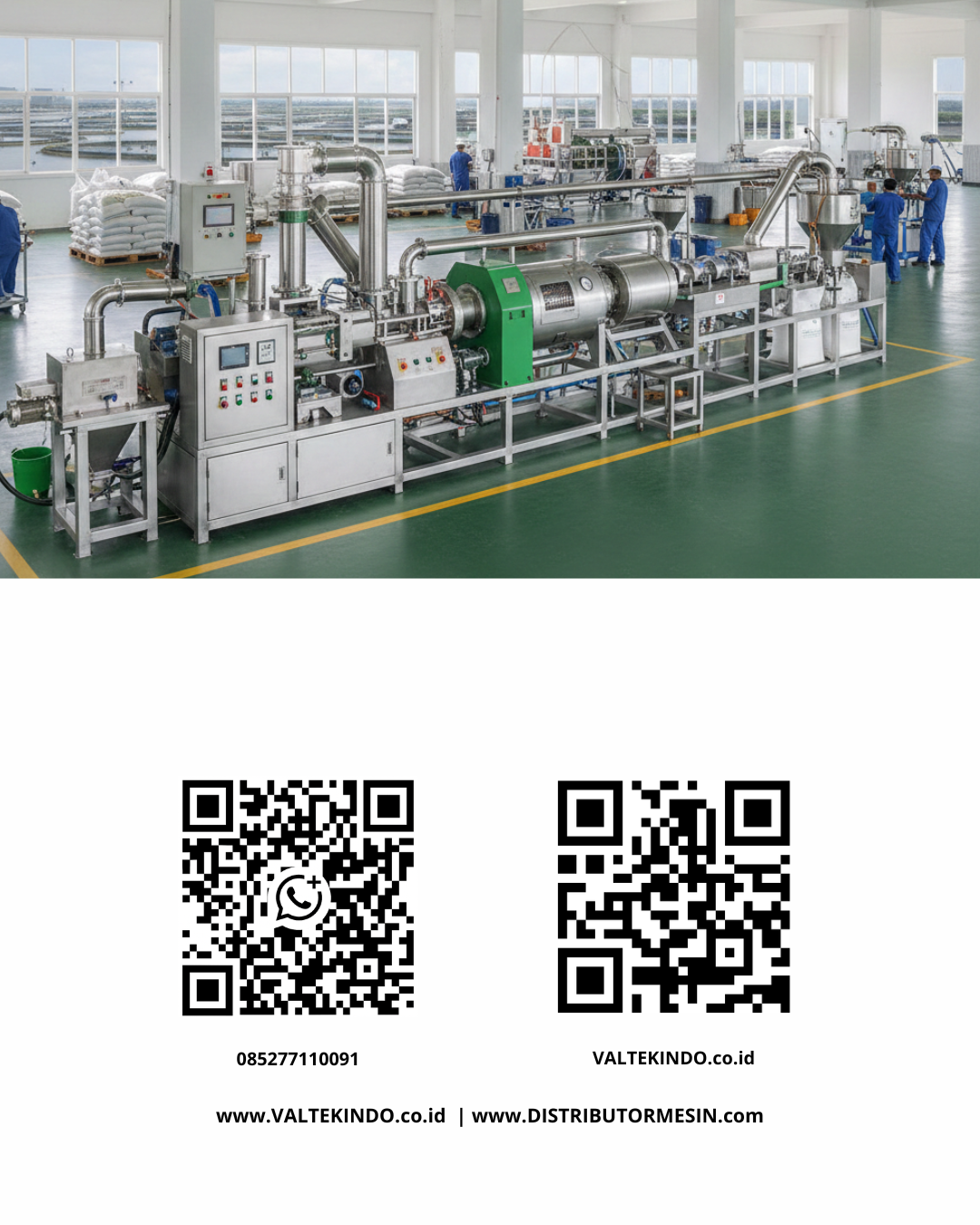
The growing livestock and aquaculture industries demand high efficiency in nutritional delivery. One of the most effective solutions is the use of feed in pellet form. Beyond being easier to store, pellets ensure that every single grain contains uniform nutrients, optimizing livestock growth. However, behind these small grains lies a sophisticated manufacturing process.
Understanding the stages of feed pellet production is vital not only for large-scale manufacturers but also for independent entrepreneurs looking to enhance their output quality. Below are the systematic steps in the production process.
1. Raw Material Preparation and Formulation
The most crucial first step is the selection of raw materials. Feed composition typically consists of protein sources (fish meal, soybean meal), energy sources (corn, bran), and added vitamins or minerals. Before entering the machinery, these materials must be dry and free from contaminants. Accuracy in weighing determines the final nutritional quality of the feed.
2. Grinding Process
Raw materials that are still in the form of large or coarse grains must be pulverized. The grinding process, usually using a hammer mill, aims to reduce particle size. The finer the raw material particles, the better the density of the pellets produced later. Furthermore, fine particles are more easily digested by the livestock or fish's digestive system.
3. Mixing
Once all materials are turned into fine flour, the next stage is mixing. This is where homogeneity is tested. All ingredients, including micro-additives, must be distributed evenly. Imperfections at this stage lead to inconsistent feed quality, where one pellet may be nutrient-rich while another lacks essential elements.
4. Conditioning
Before entering the molding stage, the feed mixture is treated with hot steam. This conditioning process serves to soften the material texture and activate natural binders (starch) within the raw materials. Proper conditioning produces sturdy pellets that do not crumble easily and ensures better sterility as the high temperature kills pathogenic bacteria.
5. Pelleting (Molding)
This is the core of the entire process. The feed dough is pressed through mold holes (dies) using specialized machinery. For those focusing on the aquaculture sector, choosing the right equipment is vital. Utilizing a complete solution for the fish feed industry helps produce pellets with precise diameters and density suited to specific fish species.
6. Cooling
Pellets freshly discharged from the pellet mill have high temperatures and moisture levels. If packaged immediately, they will be prone to mold. Therefore, pellets must pass through a cooler to bring their temperature down to ambient levels and significantly reduce moisture content, ensuring a longer shelf life.
7. Screening and Packaging
The final stage involves separating whole pellets from fine debris (fines) through a screening process. These fines are usually returned to the beginning of the cycle to be re-processed. The perfect pellets are then weighed and placed into airtight packaging. To maintain long-term operational sustainability, ensure you are supported by a trusted industrial equipment provider that understands your technical machinery needs.
Optimize Your Industry Today!
Achieve production efficiency and the highest quality standards with a trusted industrial machinery provider. Explore our wide selection of premium processing and testing equipment at:
Website : valtekindo.co.id
Website : distributormesin.com
Consult your technical needs with our expert sales team:
WhatsApp 1: +62 852-2211-0091
WhatsApp 2: +62 852-7711-0091

Admin
AuthorAdmin is a writer on the Valtekindo website, providing informative content about High Quality Industrial Machinery and Testing Machines.
Related post:
- Pharmaceutical Factory Production Escalation Strategy: Why Investing in an Automatic Capsule Filling Machine is the Most Crucial Business Decision
- High-Precision Wire Cut EDM Technology in 2026: The Ultimate Solution for Mold Making, Stamping Dies, and Automotive Component Fabrication Without Thermal Distortion
- 2026 Automated Carton Sealer & Erector Investment Guide: End-of-Line Automation Strategies for Industrial Plant Efficiency