The Importance of Fabric Testing Laboratories in Meeting International Quality Standards
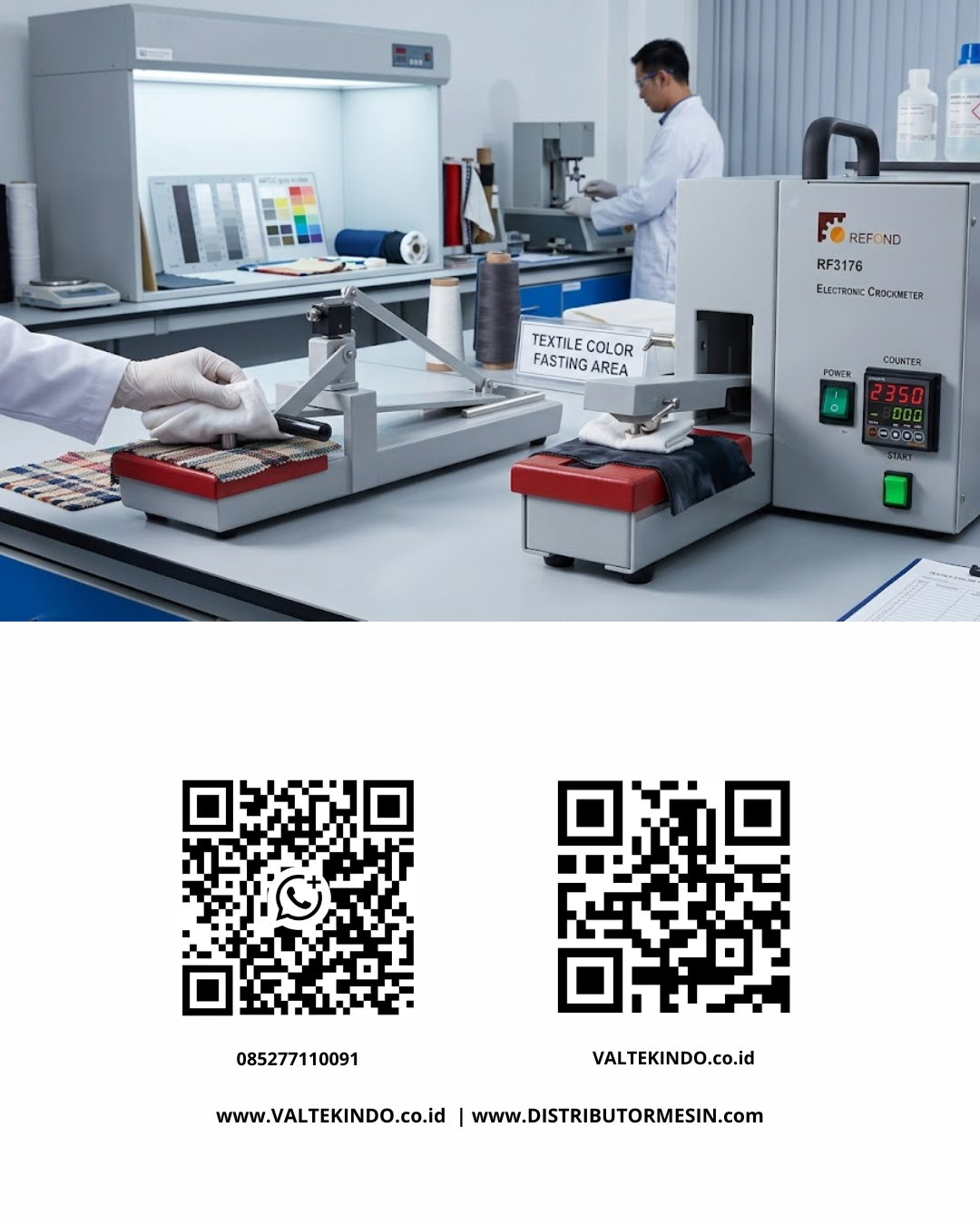
The global textile industry is one of the most competitive and dynamic sectors in the world. Amidst the flow of trade crossing national borders, quality is no longer just an added value; it is a mandatory requirement for survival. For fabric manufacturers, maintaining product consistency to meet global market expectations requires a rigorous control mechanism. This is where the role of a fabric testing laboratory becomes crucial as the frontline of quality assurance.
Understanding the Strategic Role of Textile Testing
A textile testing laboratory serves as a scientific validation center to ensure that the physical and chemical characteristics of a fabric meet the desired specifications. Without standardized testing, manufacturers risk facing product claims, returns, and even legal penalties in export destination countries.
International standards such as ISO (International Organization for Standardization), ASTM (American Society for Testing and Materials), and AATCC (American Association of Textile Chemists and Colorists) serve as primary references. A competent laboratory helps manufacturers translate these technical standards into measurable test parameters, ensuring the produced fabric possesses a globally recognized "passport."
Critical Parameters in Fabric Quality Testing
To penetrate the international market, fabrics must undergo a comprehensive series of tests. Some of the primary parameters that are often the focus include:
- Color Fastness: This is one of the most important aspects of fabric aesthetics. This test measures the extent to which the fabric's color withstands various external factors such as washing, perspiration, sunlight, and friction. Utilizing tools like a high-precision manual and electronic crock meter for textile color fastness testing is instrumental in detecting potential color transfer due to rubbing, in both dry and wet conditions.
- Physical Strength: This includes tensile strength, tearing strength, and bursting strength tests. These tests ensure the fabric has the durability appropriate for its intended use, whether for everyday apparel or technical equipment.
- Dimensional Stability: This test measures whether the fabric will shrink or stretch after repeated washing cycles. Size consistency is vital for the garment industry to maintain a perfect fit.
- Chemical Analysis: Ensuring that the chemicals used in the dyeing and finishing processes do not contain hazardous substances prohibited by international regulations, such as formaldehyde or certain azo dyes
The Impact of Testing on Consumer Trust
In the era of information transparency, consumers are increasingly critical of the products they purchase. Labels stating that a product has passed laboratory tests provide a sense of security and increase market value. For companies, having access to accurate testing instruments is not just about regulatory compliance; it is about building long-term brand reputation.
Innovations in laboratory technology now allow testing to be carried out more efficiently and precisely. The integration of digital systems into testing equipment makes it easier for analysts to obtain accurate data in real-time. This data accuracy is what Quality Control departments will eventually use to make improvements to the production process if discrepancies are found.
Laboratory Infrastructure Challenges and Solutions
Building a standardized testing laboratory requires investment in the right equipment and skilled personnel. Often, manufacturers face challenges in determining which devices best suit their specific product needs. Therefore, collaborating with an experienced laboratory infrastructure solution provider is a wise step.
Obtaining technical support and devices from a trusted source through industrial laboratory equipment provider services can help companies accelerate the product certification process. With capable technological support, technical hurdles in testing can be minimized, resulting in a shorter time-to-market.
Conclusion
The existence of a fabric testing laboratory is the foundation for the success of the textile industry in the international market. By performing systematic testing, manufacturers can guarantee the safety, functionality, and durability of their products. Amidst tightening global competition, investing in quality standardization through laboratories is a strategic move that cannot be compromised.
Optimize Your Industry Today!
Achieve production efficiency and the highest quality standards with a trusted industrial machinery provider. Explore our wide selection of premium processing and testing equipment at:
Website : valtekindo.co.id
Website : distributormesin.com
Consult your technical needs with our expert sales team:
WhatsApp 1: +62 852-2211-0091
WhatsApp 2: +62 852-7711-0091

Admin
AuthorAdmin is a writer on the Valtekindo website, providing informative content about High Quality Industrial Machinery and Testing Machines.
Related post:
- Pharmaceutical Factory Production Escalation Strategy: Why Investing in an Automatic Capsule Filling Machine is the Most Crucial Business Decision
- High-Precision Wire Cut EDM Technology in 2026: The Ultimate Solution for Mold Making, Stamping Dies, and Automotive Component Fabrication Without Thermal Distortion
- 2026 Automated Carton Sealer & Erector Investment Guide: End-of-Line Automation Strategies for Industrial Plant Efficiency