The Evolution of Packaging Technology: From Standardized Stock to Instant Production Systems
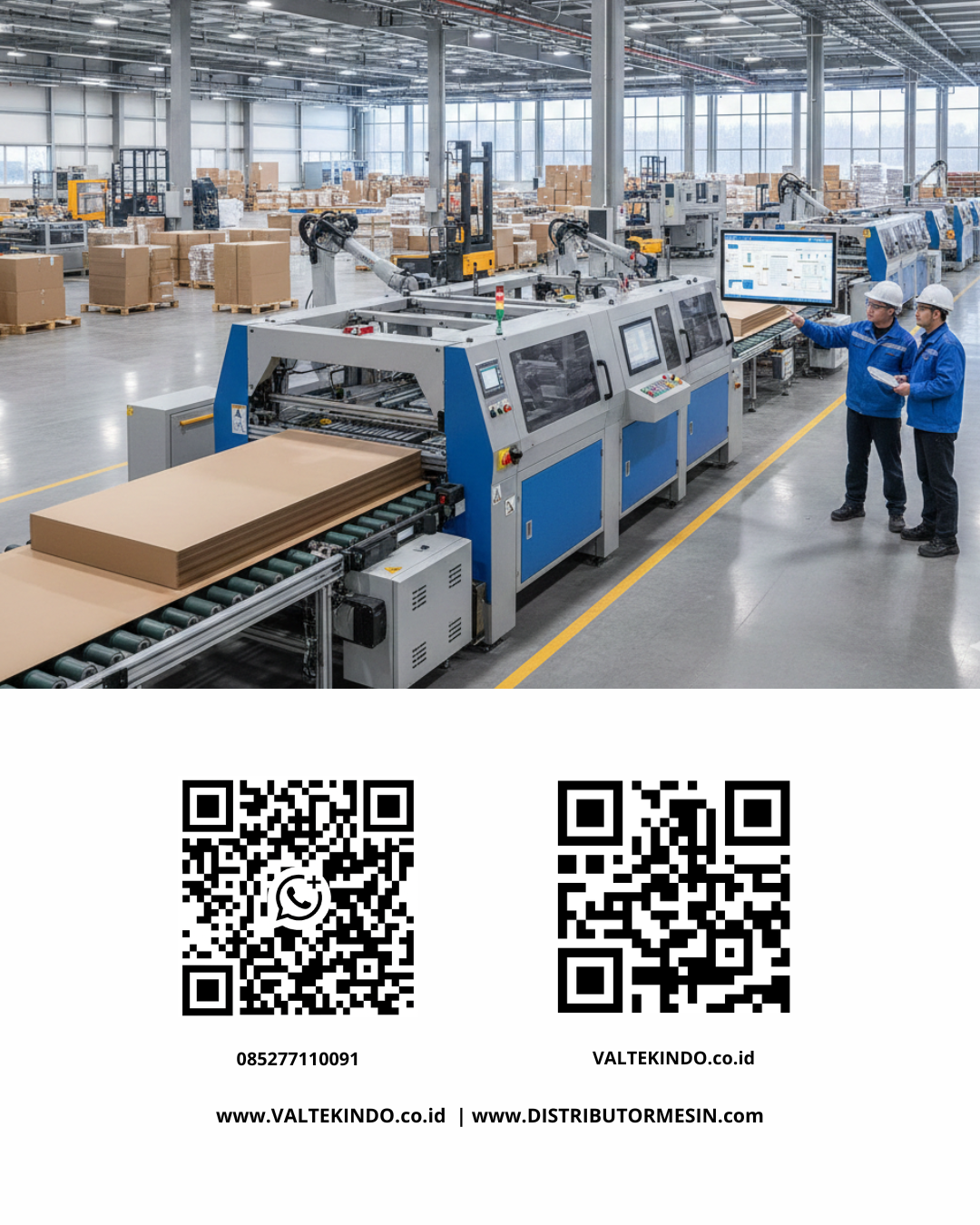
The global manufacturing landscape is undergoing a significant turning point. For decades, the packaging business model was dominated by mass-stocking strategies using standardized sizes. However, as consumer behavior shifts toward demanding greater speed and variety, the industry is transitioning toward instant production systems driven by high-level automation.
A Paradigm Shift: Why Standardized Stock is Fading
In the past, manufacturers tended to produce packaging in massive quantities to achieve economies of scale. Unfortunately, this model lacked flexibility. Warehouses often became cluttered with "dead stock" when market trends shifted abruptly. Furthermore, manual packaging processes frequently became bottlenecks that slowed down the entire supply chain.
Today, efficiency is no longer measured solely by how much a factory produces, but by how quickly those products reach the consumer with consistent quality. The advent of sophisticated machinery allows factories to pivot toward a "just-in-time" system, where packaging is performed instantly based on real-time demand without intensive manual intervention.
The Role of Automation in Modern Packaging
One of the most noticeable technological leaps has occurred within the sanitary and paper product sectors. For instance, facial tissue box packaging no longer relies on human labor to fold or glue cartons. The implementation of an automated box facial tissue packaging system has proven that the integration of precision mechanics and electronic sensors can cut production time by up to 60%.
These instant production systems enable:
- Dimensional Accuracy: Ensuring every box is perfectly sealed without physical defects.
- Sterilization: Minimizing human physical contact with sensitive hygiene products.
- Scalability: Allowing companies to switch between different sizes with minimal downtime for adjustments.
Moving Toward Industry 4.0 Integration
This evolution does not stop at mere mechanization. We are entering an era where packaging machines are interconnected through data networks. Within a comprehensive industrial machinery ecosystem, operators can monitor machine performance in real-time. The data generated is used for predictive maintenance, significantly reducing the risk of unexpected downtime.
Instant production systems also address sustainability challenges. High precision leads to a significant reduction in packaging material waste—such as cardboard offcuts or excess adhesive. This provides a dual benefit: cost efficiency for the manufacturer and a lower carbon footprint for the environment.
Economic Impact and Competitive Advantage
Companies adopting instant production technologies hold a much stronger competitive edge. In a fast-moving market, the ability to fulfill sudden orders with premium quality is the key to winning customer loyalty. Automation is no longer a luxury; it is a fundamental necessity to remain relevant in the global market.
Technically, modern machines are now equipped with PLC (Programmable Logic Control) systems that allow seamless synchronization between cutting, folding, and final sealing. The result is a smooth, uninterrupted production flow that exponentially increases a company’s annual output.
Optimize Your Industry Today!
Achieve production efficiency and the highest quality standards with a trusted industrial machinery provider. Explore our wide selection of premium processing and testing equipment at:
Website : valtekindo.co.id
Website : distributormesin.com
Consult your technical needs with our expert sales team:
WhatsApp 1: +62 852-2211-0091
WhatsApp 2: +62 852-7711-0091

Admin
AuthorAdmin is a writer on the Valtekindo website, providing informative content about High Quality Industrial Machinery and Testing Machines.
Related post:
- Pharmaceutical Factory Production Escalation Strategy: Why Investing in an Automatic Capsule Filling Machine is the Most Crucial Business Decision
- High-Precision Wire Cut EDM Technology in 2026: The Ultimate Solution for Mold Making, Stamping Dies, and Automotive Component Fabrication Without Thermal Distortion
- 2026 Automated Carton Sealer & Erector Investment Guide: End-of-Line Automation Strategies for Industrial Plant Efficiency