The Evolution of Circulation Systems in Package Dyeing Machines: In-Out vs. Out-In Flow Dynamics
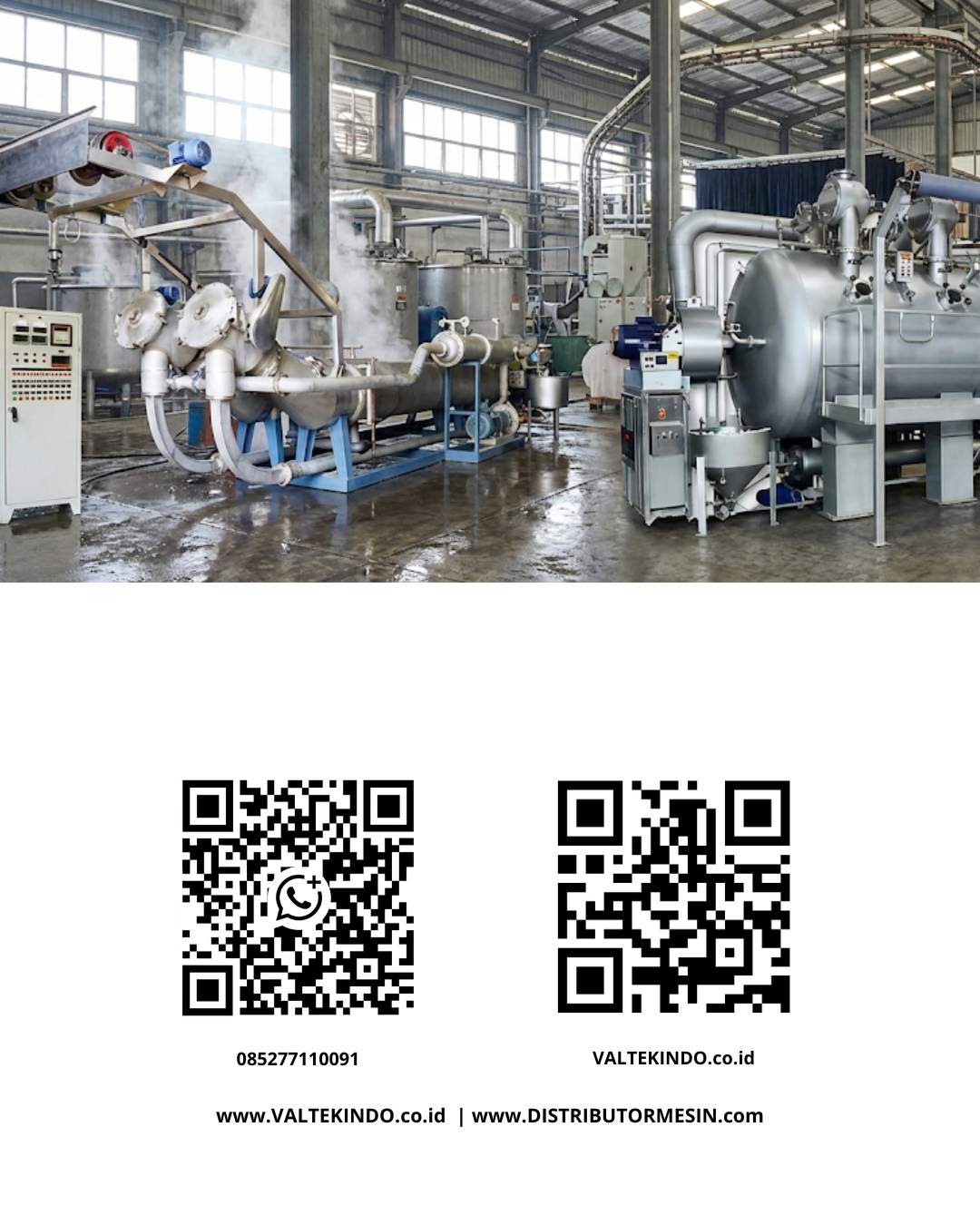
In the textile industry, specifically in the yarn dyeing process, the package dyeing machine plays a vital role. The final quality of the dyed yarn depends heavily on one main variable: the circulation system. Technological evolution in these machines centers on how the liquor (dye liquid) is distributed through the yarn package, creating technical debates and innovations surrounding In-Out versus Out-In flow mechanisms.
Understanding the dynamics of these two flows is not merely about moving liquid; it is about guaranteeing color levelness, energy efficiency, and the integrity of the yarn fiber itself.
Dissecting Flow Mechanisms: In-Out vs. Out-In
Fundamentally, the working principle of a package dyeing machine is to force dye liquor to penetrate yarn packages placed on perforated spindles. The direction of this flow determines how the dye interacts with fibers at different layers.
1. In-Out Flow
In this mode, the pump pushes the dye liquor from inside the spindle, penetrating the core of the package (cheese/cone), and exiting towards the outer surface of the yarn.
- Characteristics: The pressure tends to open the pores of the yarn package, causing it to expand slightly.
- Advantages: Highly effective for ensuring color penetration in the innermost layers, which are usually the most difficult to reach due to high winding density in the core area.
2. Out-In Flow
Conversely, in this mode, liquor is drawn from the vessel (kier) and pressed in from the outer surface of the yarn towards the core (spindle).
- Characteristics: This flow provides a compression effect on the yarn package.
- Advantages: Ensures the outer layer receives solid coloring and prevents the yarn surface from becoming "hairy" or fuzzy due to expansive pressure.
Color Levelness Challenges and Hybrid Solutions
If a machine uses only one flow direction continuously, the risk of unlevelness (uneven coloring) is very high. Excessive In-Out flow can cause the outside to be lighter (as liquor loses concentration upon reaching the exterior), while Out-In alone can leave the inside under-dyed.
The evolution of modern circulation systems has shifted from static systems to dynamic systems using automatic flow reversal mechanisms. Modern machines are now equipped with precision timers and reversing valves to regulate cycle duration. A common time ratio utilized is often a distribution of 60% In-Out and 40% Out-In (or a 50:50 variation depending on the yarn type).
This technology allows dye to be distributed evenly from the core to the outer skin without damaging the physical structure of the yarn. Innovations in high-efficiency centrifugal pumps now also feature frequency controls (inverters) to regulate the precise differential pressure, ensuring fine yarns do not break and thick yarns are perfectly penetrated.
Energy Efficiency and the Modern Factory Ecosystem
Beyond color quality, the evolution of circulation systems is also driven by the need for efficiency. Older circulation systems required a high Liquor Ratio, typically around 1:10 or 1:12. The latest circulation technology, with optimal kier designs and smart pumps, is able to suppress this figure to 1:4 or 1:6.
This reduction in water usage has a domino effect: less water means less steam for heating, fewer chemicals, and less liquid waste to treat.
However, efficiency in a textile mill does not stop at the dyeing machine. Modern factories view production as a complete ecosystem. Besides focusing on water circulation, supporting utility management is also a highlight. For example, factories are now starting to adopt advanced exhaust gas treatment technologies to ensure that heat and residue from production support processes do not pollute the environment, aligning with green manufacturing standards.
The Importance of Choosing the Right Hardware
The success of the package dyeing process relies not only on chemical recipes but is heavily influenced by hardware reliability. Circulation pumps must be resistant to chemical corrosion and high temperatures, while being capable of maintaining stable pressure for hours. Failure in the reversing valve can be fatal for a production batch, causing significant material loss.
Therefore, for textile industry players, conducting routine audits of machine performance and partnering with experienced industrial equipment distributors is crucial. Selecting machine units with pump specifications suitable for the material type is essential.
Optimize Your Industry Today!
Achieve production efficiency and the highest quality standards with a trusted industrial machinery provider. Explore our wide selection of premium processing and testing equipment at:
Website : valtekindo.co.id
Website : distributormesin.com
Consult your technical needs with our expert sales team:
WhatsApp 1: +62 852-2211-0091
WhatsApp 2: +62 852-7711-0091

Admin
AuthorAdmin is a writer on the Valtekindo website, providing informative content about High Quality Industrial Machinery and Testing Machines.
Related post:
- Pharmaceutical Factory Production Escalation Strategy: Why Investing in an Automatic Capsule Filling Machine is the Most Crucial Business Decision
- High-Precision Wire Cut EDM Technology in 2026: The Ultimate Solution for Mold Making, Stamping Dies, and Automotive Component Fabrication Without Thermal Distortion
- 2026 Automated Carton Sealer & Erector Investment Guide: End-of-Line Automation Strategies for Industrial Plant Efficiency