The Evolution of Automation Technology in Modern Shaving Machines
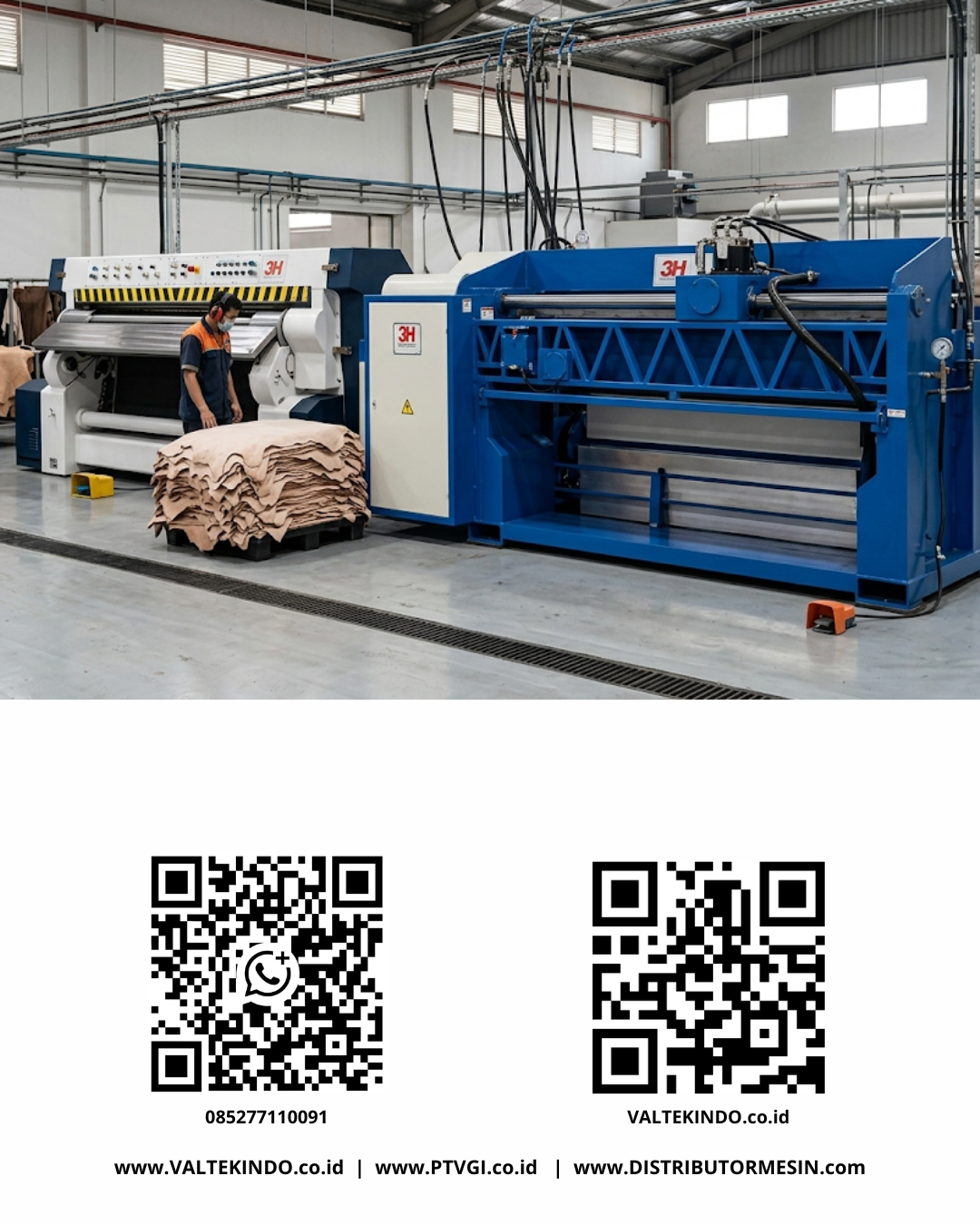
The material processing industry, particularly in leather and synthetic goods, has undergone a massive transformation thanks to the Industry 4.0 revolution. One of the instruments most impacted by this shift is the shaving machine. In the past, the process of thinning materials relied heavily on the manual dexterity of an operator. Today, however, the integration of automation technology has turned these machines into high-precision devices that are significantly more efficient.
The Evolution from Mechanical to Full Automation
In the conventional era, the biggest challenge in using a shaving machine was thickness consistency. A slight error in mechanical pressure or manual blade adjustment could lead to the destruction of valuable raw materials. Modern machines have now adopted numerical control systems that allow adjustments to be made digitally, with accuracy down to the smallest millimeter increments.
Automation in these machines is not merely about replacing human power with motor drives; it is about integrating system intelligence to monitor every micron of material thickness in real-time. The use of sophisticated sensors and advanced hydraulic systems ensures that every sheet of material processed meets a uniform quality standard. This is crucial for industries requiring high precision, such as automotive interior manufacturing and luxury fashion products.
Key Features in Modern Technology
The development of automation technology has introduced several key features that are now the new standard in the manufacturing industry:
- Digital Thickness Control System: Machines are now equipped with Human-Machine Interface (HMI) touchscreens that allow operators to input specific measurements. The system automatically adjusts the gap between the blade and the bolster cylinder without the need for time-consuming manual calibration.
- Automatic Blade Sharpening Mechanism: One of the best innovations is the machine's ability to maintain blade sharpness independently through a programmed grinding system. This ensures that the shaving quality remains stable from the beginning to the end of a work shift.
- Material Protection Sensors: The latest sensor technology can detect anomalies in material texture before the blade makes contact, significantly minimizing the risk of tearing or damaging the material.
- Hydraulic Efficiency: The use of smarter hydraulic units allows the machine to operate with maximum power while consuming less energy. Implementing a heavy-duty hydraulic shaving machine designed for high workloads has been proven to stabilize and increase daily output.
Positive Impact on Production Efficiency
The implementation of automation technology in shaving machines provides a significant impact on factory productivity. With automated systems, machine downtime for recalibration can be reduced by up to 40%. Furthermore, material waste due to human error decreases drastically, directly affecting operational cost efficiency.
For industrial players, choosing equipment with high durability and the latest technological support is a smart long-term investment. In-depth information regarding these industrial support tools can often be found through a reputable industrial technology provider's website to ensure that the investment matches the production capacity needs.
Workplace Safety and Ergonomics
Automation technology also focuses on human safety. Modern machines are equipped with light curtains and motion sensors that instantly stop the blade rotation if an foreign object is detected in a danger zone. Additionally, noise and vibration levels in automated machines are much lower, creating a more comfortable and safer working environment for operators.
Digitalization also facilitates preventive maintenance. The machine's computer system provides automatic notifications when certain components need inspection or lubrication. This performance data can even be integrated into broader factory management systems to monitor overall work effectiveness.
The Future of Shaving Machine Technology
In the future, we will see deeper integration between shaving machines and the Internet of Things (IoT) ecosystem. Machines will no longer stand alone; instead, they will communicate with other machines in the production chain to manage workflow speeds autonomously. Overall, the transition toward automation in modern shaving machines is no longer an option but a necessity to remain competitive in a global market that demands flawless quality.
Optimize Your Industry Today!
Achieve production efficiency and the highest quality standards with a trusted industrial machinery provider. Explore our wide selection of premium processing and testing equipment at:
Website : valtekindo.co.id
Website : distributormesin.com
Consult your technical needs with our expert sales team:
WhatsApp 1: +62 852-2211-0091
WhatsApp 2: +62 852-7711-0091

Admin
AuthorAdmin is a writer on the Valtekindo website, providing informative content about High Quality Industrial Machinery and Testing Machines.
Related post:
- Pharmaceutical Factory Production Escalation Strategy: Why Investing in an Automatic Capsule Filling Machine is the Most Crucial Business Decision
- High-Precision Wire Cut EDM Technology in 2026: The Ultimate Solution for Mold Making, Stamping Dies, and Automotive Component Fabrication Without Thermal Distortion
- 2026 Automated Carton Sealer & Erector Investment Guide: End-of-Line Automation Strategies for Industrial Plant Efficiency