The Anatomy of a Professional Laundry System: Understanding Every Machine’s Role
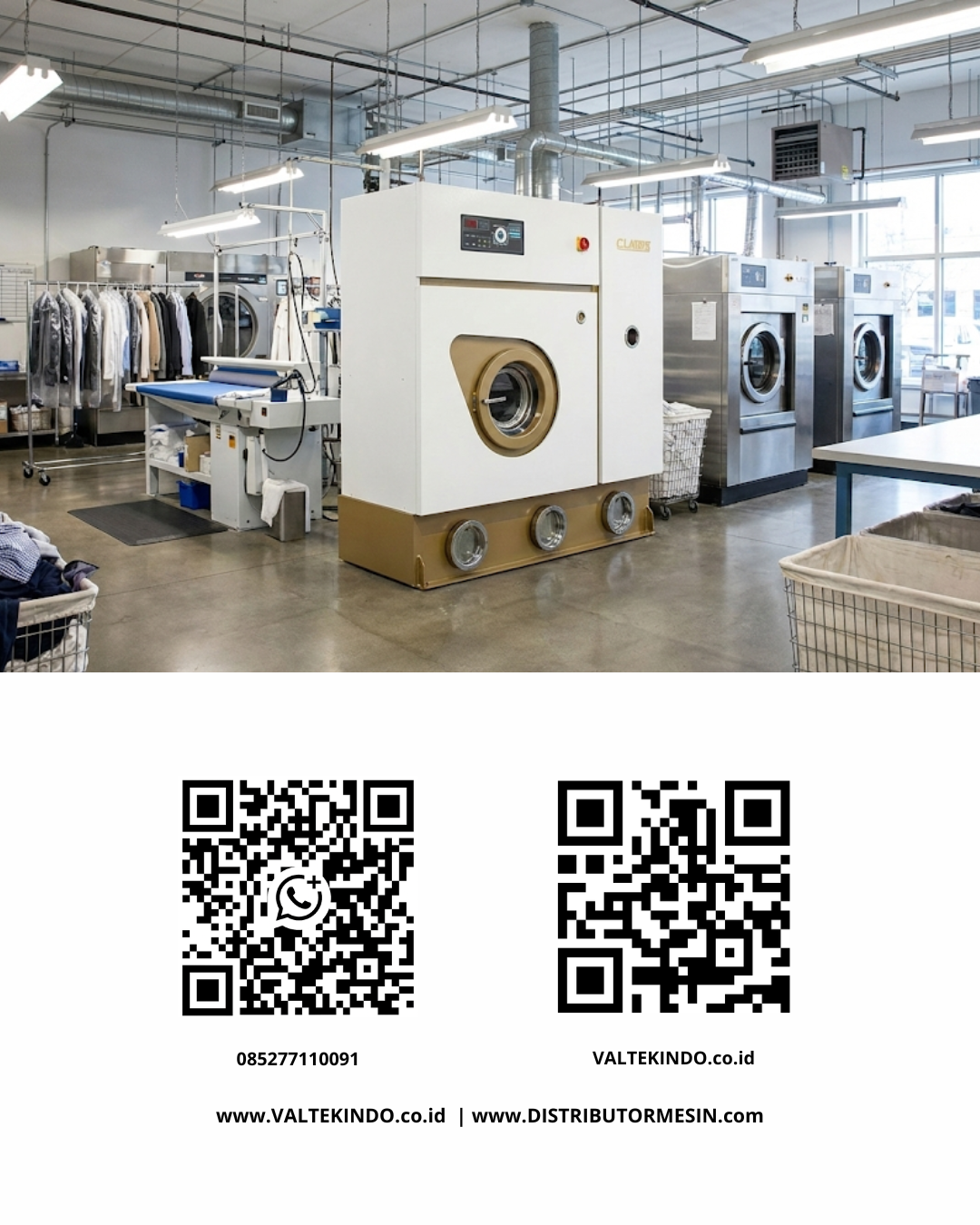
The professional laundry industry is a complex ecosystem where precision, speed, and fabric care intersect. Beyond the simple act of washing and drying, high-capacity operations—such as those found in five-star hotels, hospitals, and specialized garment care centers—rely on a sophisticated "anatomy" of machinery. Each component plays a specific role, and understanding how these machines interact is the key to maximizing production efficiency and maintaining textile longevity.
To build a world-class facility, one must look beyond individual units and see the system as a synchronized production line. Let’s break down the essential components that form the backbone of a professional laundry operation.
1. The Washer-Extractor: The Engine of Productivity
The process begins with the Washer-Extractor. Unlike domestic washing machines, industrial extractors are engineered for continuous, heavy-duty cycles. Their primary function is to remove soils through a combination of mechanical action, precise water temperatures, and chemical integration.
The "extractor" part of the name is crucial. These machines use high G-force spins to remove as much water as possible before the fabric even reaches the dryer. When scouting for premium laundry machinery solutions, professionals focus on programmable logic controllers (PLC) that allow for custom wash cycles tailored to different fabric types, ensuring both cleanliness and resource conservation.
2. Tumble Dryers: Precision Moisture Control
Once the extraction phase is complete, textiles move to the Tumble Dryer. In a professional setting, drying is not just about heat; it is about airflow and moisture management. Modern industrial dryers utilize axial airflow and moisture sensors to prevent "over-drying," which can make fibers brittle and lead to premature wear. Efficiency here is measured by how quickly a machine can reach the ideal residual moisture level while consuming the least amount of gas or electricity.
3. Dry Cleaning Systems: Specialized Care for Delicate Fibers
Not all textiles can withstand the mechanical agitation or the chemical properties of water. High-end garments like wool suits, silk dresses, and delicate couture require a different approach. This is where the dry cleaning unit becomes indispensable.
Instead of water, these machines use specialized solvents to dissolve oils and stains that water cannot touch. By implementing advanced automated dry cleaning technology, operators can perform cleaning, rinsing, and drying within a single closed-loop system. This process ensures that delicate fibers do not shrink or lose their structural integrity, providing a premium finish that standard washing cannot replicate.
4. Flatwork Ironers and Finishing Equipment
For hospitality sectors managing high volumes of linens—such as bedsheets, pillowcases, and tablecloths—the Flatwork Ironer (or rotary ironer) is the final stage of the "anatomy." These massive machines press and dry damp linens simultaneously, producing a crisp, mirror-smooth finish that is the hallmark of luxury service.
For "form" garments like shirts and trousers, finishing equipment such as steam dummies, form finishers, and vacuum ironing tables are used. These tools use pressurized steam to relax fibers and vacuum suction to "set" the shape, ensuring the garment looks brand new.
5. Essential Support Systems: The "Circulatory System"
Supporting these heavy hitters are the auxiliary systems. Commercial Water Heaters ensure a steady supply of hot water for thermal disinfection in hospitals, while Automatic Chemical Injection Systems deliver precise dosages of detergents and emulsifiers. This automation eliminates human error, protects the environment from chemical runoff, and ensures consistent results across thousands of wash cycles.
Achieving Operational Synergy
An efficient laundry layout follows a linear flow: from the "soiled" zone to the "clean" zone, preventing cross-contamination and reducing unnecessary labor movement. If one piece of equipment is underpowered or poorly maintained, it creates a bottleneck that slows down the entire facility.
Investing in a professional system is about more than just buying hardware; it is about creating a sustainable workflow. By selecting machines that offer the right balance of capacity and technology, business owners can significantly reduce utility costs and labor hours while delivering superior textile care.
Optimize Your Industry Today!
Achieve production efficiency and the highest quality standards with a trusted industrial machinery provider. Explore our wide selection of premium processing and testing equipment at:
Website : valtekindo.co.id
Website : distributormesin.com
Consult your technical needs with our expert sales team:
WhatsApp 1: +62 852-2211-0091
WhatsApp 2: +62 852-7711-0091

Admin
AuthorAdmin is a writer on the Valtekindo website, providing informative content about High Quality Industrial Machinery and Testing Machines.
Related post:
- Pharmaceutical Factory Production Escalation Strategy: Why Investing in an Automatic Capsule Filling Machine is the Most Crucial Business Decision
- High-Precision Wire Cut EDM Technology in 2026: The Ultimate Solution for Mold Making, Stamping Dies, and Automotive Component Fabrication Without Thermal Distortion
- 2026 Automated Carton Sealer & Erector Investment Guide: End-of-Line Automation Strategies for Industrial Plant Efficiency