Technical Guide to Drop Test Procedures: Why Corner and Edge Impacts Are Critical
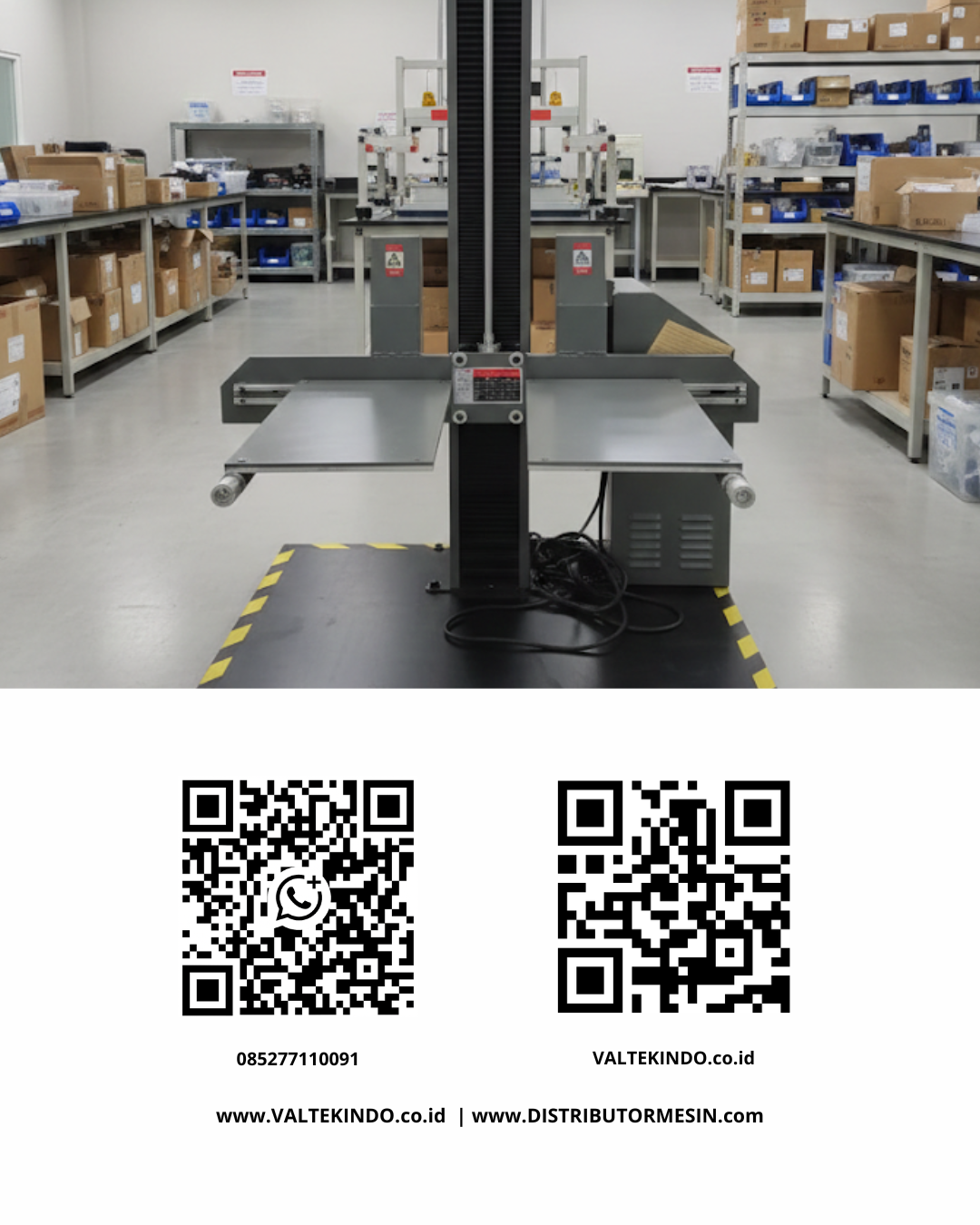
In the global supply chain, packaging integrity is the last line of defense before a product reaches the consumer. One of the most standardized yet complex evaluation methods is the drop test. This procedure is more than just dropping an item from a certain height; it is a sophisticated physical simulation designed to identify structural weaknesses in a packaging system.
Understanding Distribution Energy Dynamics
When a package falls, potential energy is converted into kinetic energy that must be absorbed by the packaging system. However, this energy distribution is never uniform. The severity of damage depends heavily on the point of first contact when the object hits the floor. This is why international standards, such as ASTM D5276, emphasize testing across different orientations: flat surfaces, edges, and corners.
Why the Corner is the Most Critical Point
A corner is the junction where three planes meet. Structurally, it is the stiffest point, but it is also the most vulnerable in terms of transferring force to internal areas.
- Stress Concentration: During a corner drop, the entire weight of the load is concentrated on an extremely small surface area. This creates significantly higher pressure (PSI) compared to a flat surface drop.
- Acceleration Effects: Corner impacts often cause unpredictable rotations or bounces. This can increase the risk of damage to sensitive internal components, such as electronic modules or solder joints.
- Structural Failure: If the package corner fails to dampen the impact, the energy will travel directly to the product without any resistance from the internal cushioning material.
The Significance of Edge Testing
Edge testing aims to simulate scenarios where a package strikes the rim of a pallet, a stair, or a conveyor belt. The primary focus here is the integrity of the package joints or adhesives. Falling on an edge often causes "tearing" or shearing of the carton, which can expose the product to environmental hazards.
The Role of Technology in Testing Precision
Performing drop tests manually is highly discouraged due to human error. Variables such as hand vibration or a slightly tilted release angle can drastically alter the test results.
To obtain valid data, modern manufacturing industries are now shifting towards the use of dual-wing drop testing machines. This technology allows for instantaneous and symmetrical release, ensuring that the object falls exactly in the desired orientation without unwanted rotational forces. This precision is crucial to ensure that the data collected truly represents material durability rather than physical coincidence.
Post-Test Result Analysis
Once the test is completed, the evaluation goes beyond the external physical condition. A deep analysis includes:
- Product Integrity: Does the product still function technically?
- Cushioning Effectiveness: Were the internal fillers (such as bubble wrap or foam) able to absorb the shock?
- Consumer Safety: Are there sharp edges or fragments resulting from the package failure?
Ensuring quality standards through precise testing is a preventive step to reduce return costs and customer complaints. By understanding the characteristics of corner and edge drops, technicians can design more efficient and economical protection systems. Further information regarding material testing standards and laboratory support equipment can be found through a reputable industrial testing solutions platform.
Optimize Your Industry Today!
Achieve production efficiency and the highest quality standards with a trusted industrial machinery provider. Explore our wide selection of premium processing and testing equipment at:
Website : valtekindo.co.id
Website : distributormesin.com
Consult your technical needs with our expert sales team:
WhatsApp 1: +62 852-2211-0091
WhatsApp 2: +62 852-7711-0091

Admin
AuthorAdmin is a writer on the Valtekindo website, providing informative content about High Quality Industrial Machinery and Testing Machines.
Related post:
- Pharmaceutical Factory Production Escalation Strategy: Why Investing in an Automatic Capsule Filling Machine is the Most Crucial Business Decision
- High-Precision Wire Cut EDM Technology in 2026: The Ultimate Solution for Mold Making, Stamping Dies, and Automotive Component Fabrication Without Thermal Distortion
- 2026 Automated Carton Sealer & Erector Investment Guide: End-of-Line Automation Strategies for Industrial Plant Efficiency