Technical Analysis of Cutting Mechanisms in Modern Tenoner Machines
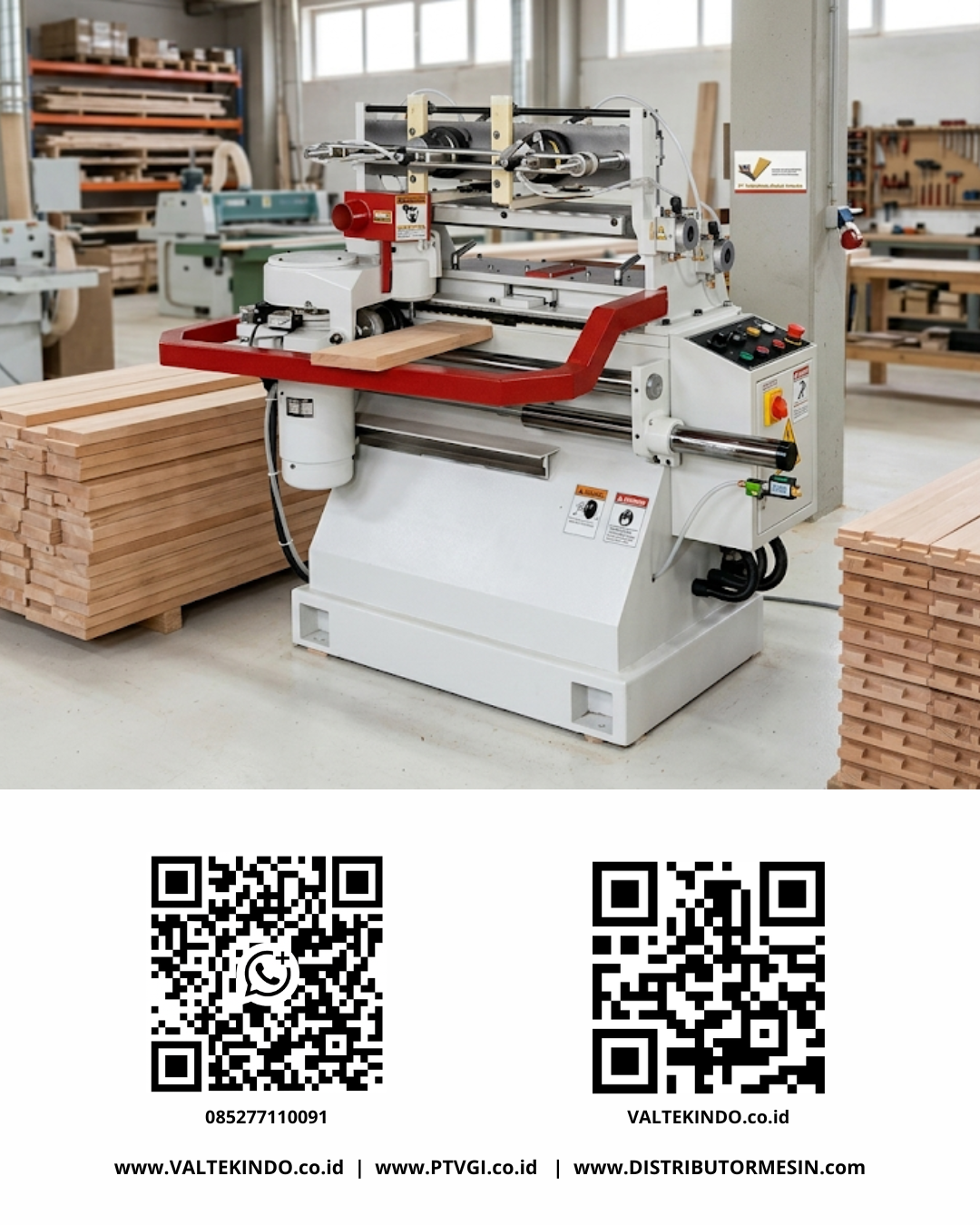
In the secondary wood processing and furniture manufacturing industry, the precision of joints is the primary determinant of a finished product's quality and durability. One of the most critical technologies in achieving these standards is the tenoner machine. This article provides an in-depth technical analysis of the cutting mechanisms in modern tenoner machines, which have evolved into high-precision machining systems with optimal efficiency.
The Evolution of Tenon Cutting Technology
The cutting mechanism in modern tenoners is no longer just about static blade rotation; it is an integration of high-speed spindle rotation, material stability, and digital control. Technically, the cutterhead units in these machines rotate at very high speeds, typically ranging from 6,000 to 9,000 RPM. This velocity is vital to ensure that wood fibers are severed cleanly without causing breakout or tearing at the ends of the workpiece, particularly in high-density hardwoods.
The drive systems in the latest generation of machines generally utilize induction motors controlled by Variable Frequency Drives (VFD). This technology allows operators to dynamically adjust cutting speeds based on the specific wood species being processed. With precise calibration, the machine minimizes the mechanical load on the blades, thereby extending tool life while maintaining the dimensional consistency of the produced tenons.
Core Components and Mechanical Synchronization
The cutting process in a modern tenoner involves the seamless synchronization of several key components. First are the Scoring Blades. Before the main cutterhead removes material from the tenon cheeks, the scoring blades perform a shallow pre-cut on the wood surface. This function severs the surface fibers precisely to prevent "spalling" or lifting of wood splinters when the main blade performs a massive material removal pass.
Second is the Feed Chain system. Cutting accuracy is heavily dependent on how stably the workpiece moves past the cutterheads. Modern feed chains are equipped with precision rubber pads and linear guide systems that ensure the timber does not shift even slightly during the process. This stability is crucial, especially if your industry requires high-volume output, such as when utilizing an industrial dovetail joint machine for fast production which demands millimeter-perfect precision for seamless assembly.
Blade Dynamics and Surface Quality
Technically, the surface quality of a tenon is significantly influenced by blade geometry. Modern machines utilize Tungsten Carbide Tipped (TCT) blades, which possess exceptional heat resistance. Analysis of the hook angle shows that using an optimized angle can reduce the compressive force on the wood, preventing deformation or crushing of thin joint sections.
Furthermore, chip removal is a primary focus in modern machine design. The area surrounding the cutterheads is aerodynamically designed so that wood chips are immediately vacuumed into the dust extraction system. Without an effective evacuation system, wood debris can become trapped between the blade and the workpiece, which eventually damages dimensional accuracy and leaves impact marks on the wood surface.
Automation and Digital Precision
The application of sensor technology in modern tenoners allows for automatic blade positioning through a central control panel. The operator simply inputs the desired dimensions, and servo motors move the spindles to the exact position with tolerances down to the micron. This is highly beneficial for manufacturers producing mass components with diverse design variations. For those looking to further explore high-standard wood fabrication support equipment, reviewing the various industrial machining solutions currently available will provide a broad perspective on how technology can significantly boost production capacity.
By understanding these technical mechanisms, industry players can be more strategic in determining the correct machining parameters. Investing in modern cutting technology is not merely about chasing speed; it is about ensuring that every joint produced has maximum structural strength and clean aesthetics, which ultimately increases the market value of furniture products globally.
Optimize Your Industry Today!
Achieve production efficiency and the highest quality standards with a trusted industrial machinery provider. Explore our wide selection of premium processing and testing equipment at:
Website : valtekindo.co.id
Website : distributormesin.com
Consult your technical needs with our expert sales team:
WhatsApp 1: +62 852-2211-0091
WhatsApp 2: +62 852-7711-0091

Admin
AuthorAdmin is a writer on the Valtekindo website, providing informative content about High Quality Industrial Machinery and Testing Machines.
Related post:
- Pharmaceutical Factory Production Escalation Strategy: Why Investing in an Automatic Capsule Filling Machine is the Most Crucial Business Decision
- High-Precision Wire Cut EDM Technology in 2026: The Ultimate Solution for Mold Making, Stamping Dies, and Automotive Component Fabrication Without Thermal Distortion
- 2026 Automated Carton Sealer & Erector Investment Guide: End-of-Line Automation Strategies for Industrial Plant Efficiency