Reaping Profits from an Independent Animal Feed Business: This is the Machine You Need
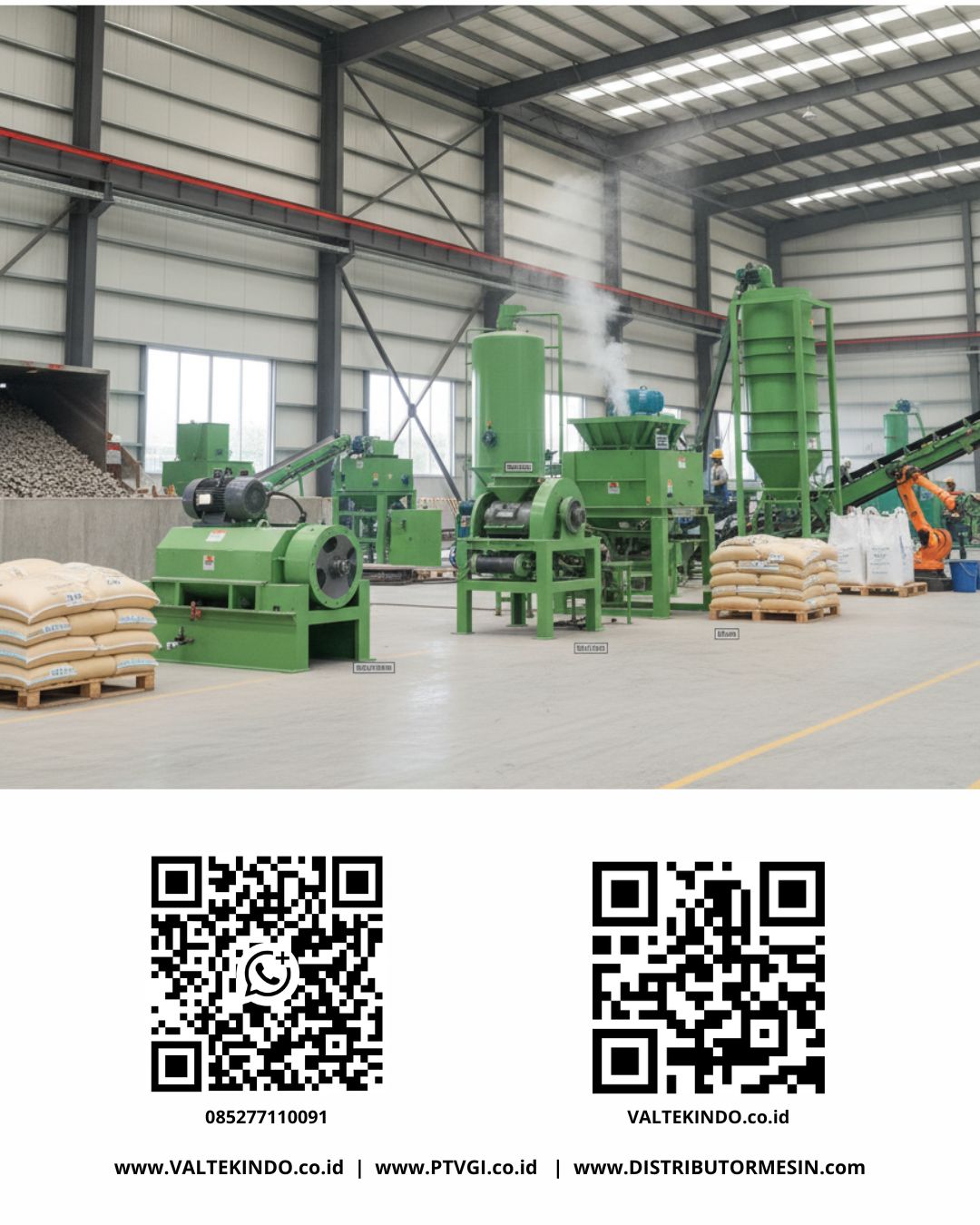
The livestock industry in Indonesia is a sector that never dies. The demand for animal protein—be it meat, eggs, or fish—continues to rise with population growth. However, behind this promising market potential, farmers (both small and large-scale) face a classic challenge that consistently erodes profit margins: feed costs.
It's undeniable that commercial feed components often account for 60% to 70% of total operational costs. This dependency makes farmers vulnerable to fluctuations in imported raw material prices, logistics costs, and the pricing strategies of large factories. When feed prices rise, farmer profits are immediately squeezed.
So, what's the solution? The answer lies in an increasingly popular concept: independent animal feed production.
Producing your own feed is no longer just an alternative; it's a smart business strategy for survival and growth. By creating their own feed formulations, farmers can drastically cut costs, control nutritional quality, and even open new revenue streams.
However, to transition from just being a farmer to a successful feed producer, you need the right technology. This is the heart of the independent feed business: a machine capable of turning raw materials into high-quality feed.
Why Pellet Feed?
Before discussing the machine, we need to understand why the form of the feed is so important. Homemade feed can be in mash (flour) or crumble (broken grains) form. However, the pellet form offers advantages that far surpass the others.
- Preserved and Uniform Nutrition: The pelleting process involves temperature and pressure. This process can kill pathogenic bacteria and "cook" the raw materials, thereby increasing nutritional digestibility. Each pellet has the same nutritional composition, ensuring that livestock do not selectively eat (e.g., eating only the corn).
- Reduces Feed Waste: Mash feed is easily blown away by the wind or trampled by livestock. Pellets are denser and do not break apart easily, thus minimizing wasted feed.
- Longer Shelf Life: The dense and dry form of pellets reduces the risk of mold growth. The feed can be stored for longer periods without a significant drop in quality.
- Handling Efficiency: Pellets are easier to handle, transport, and distribute to livestock, whether manually or using automated feeding systems.
For fish farmers (like catfish, tilapia, or pangasius), pellet feed is a must, especially floating pellets which allow for better feeding control. For poultry (broilers and layers) and ruminants (cattle and goats), pellets improve the Feed Conversion Ratio (FCR).
The Pellet Making Machine: The Heart of Your Business
To convert local raw materials—such as rice bran, ground corn, soybean meal, fish meal, cassava, and various other alternative ingredients—into high-quality pellets, you cannot do it manually. You need a machine specifically designed for this task.
This is your primary investment: the Animal Feed Pellet Making Machine.
This machine works on the principle of pressing and extruding the mixed raw materials through a perforated mold (die). The result is a solid, cylindrical feed that is then cut to the desired size.
However, choosing a machine should not be done carelessly. The wrong machine can become a source of problems, such as frequent jams, incompletely cooked pellets, or high energy consumption.
For a serious business, you need a machine that is tough, efficient, and backed by clear after-sales service. A machine designed for heavy-duty work and optimal results is the key to "reaping the profits" you seek.
Introducing the Solution from Valtekindo
When choosing a machine, the credibility of the manufacturer or distributor is everything. You need a partner who not only sells a product but also understands the technology behind it.
One machine worth considering is the Animal Feed Pellet Making Machine from Valtekindo. This machine is designed to meet the needs of modern farmers who want to be independent in their feed production.
Although technical specifications like production capacity (kg per hour) and power requirements (electric or diesel) may vary depending on the model you choose, a quality machine like the one offered by Valtekindo generally has several crucial advantages:
- Robust Construction: Made from strong materials, often stainless steel on parts that contact the feed material, to ensure hygiene and long-term durability.
- Die Flexibility: A good machine allows you to easily change the die. This is very important because pellet size requirements differ. Pellets for starter chicks are certainly smaller than pellets for consumption-size catfish or cattle feed.
- Operational Efficiency: Designed to produce dense, perfectly cooked pellets with efficient energy consumption.
- Ease of Maintenance: A design that makes it easy for the operator to clean and perform routine maintenance.
Investing in a machine from a trusted provider like Valtekindo ensures that your independent feed business will not be hampered by technical problems down the road.
Calculating the Profits of an Independent Feed Business
Let's do a simple simulation. Assume the price of commercial pellet feed in your area is Rp 8,000 per kg.
By using your own pellet-making machine, you can utilize local raw materials. For example, you create a formula with main ingredients like rice bran (Rp 3,000/kg), corn (Rp 4,000/kg), and a concentrate or fish meal (Rp 10,000/kg).
After calculating operational costs (electricity/diesel, labor, and machine depreciation), let's say your independent feed production cost is Rp 5,000 per kg.
This means you are saving Rp 3,000 for every kilogram of feed you use!
If your livestock requires 100 kg of feed per day, you save Rp 300,000 per day. In one month (30 days), your savings reach Rp 9,000,000.
This figure is just from the savings on your own use.
New Business Opportunity: Selling Pellets to Other Farmers
What happens if your machine's capacity exceeds your daily needs? Let's say your machine can produce 500 kg per day, but your need is only 100 kg.
You have an excess production capacity of 400 kg per day. This isn't a problem; this is a golden opportunity.
You can sell the excess pellets to other farmers in your area. By selling at a price of, for example, Rp 7,000 per kg (still Rp 1,000 cheaper than factory feed), you are not only helping other farmers but also gaining a gross profit of Rp 2,000 per kg (Rp 7,000 - Rp 5,000).
If you successfully sell 400 kg per day, you gain an additional gross income of Rp 800,000 per day, or Rp 24,000,000 per month!
Your independent animal feed business has now evolved. You are not just saving costs; you are actively generating new revenue. This is what "reaping the profits" truly means.
Conclusion: A Smart Investment for the Future
Dependence on factory-made feed is a shackle that limits a farmer's profit potential. Switching to independent animal feed production is a strategic step to break this chain of dependency.
The key to success lies in one tool: the animal feed pellet making machine. This is not just an expense; it is a core investment in your business. With the right machine, you can control costs, guarantee nutritional quality, increase livestock productivity, and even build a new business empire as a local feed supplier.
Optimize Your Industry Today!
Achieve production efficiency and the highest quality standards with a trusted industrial machinery provider. Explore our wide selection of premium processing and testing equipment at:
Website : valtekindo.co.id
Wesbite : distributormesin.com
Consult your technical needs with our expert sales team:
WhatsApp 1: +62 852-2211-0091
WhatsApp 2: +62 852-7711-0091

Admin
AuthorAdmin is a writer on the Valtekindo website, providing informative content about High Quality Industrial Machinery and Testing Machines.
Related post:
- Pharmaceutical Factory Production Escalation Strategy: Why Investing in an Automatic Capsule Filling Machine is the Most Crucial Business Decision
- High-Precision Wire Cut EDM Technology in 2026: The Ultimate Solution for Mold Making, Stamping Dies, and Automotive Component Fabrication Without Thermal Distortion
- 2026 Automated Carton Sealer & Erector Investment Guide: End-of-Line Automation Strategies for Industrial Plant Efficiency