PVC, ASA, and PMMA Innovations in Weather-Resistant Plastic Roofing
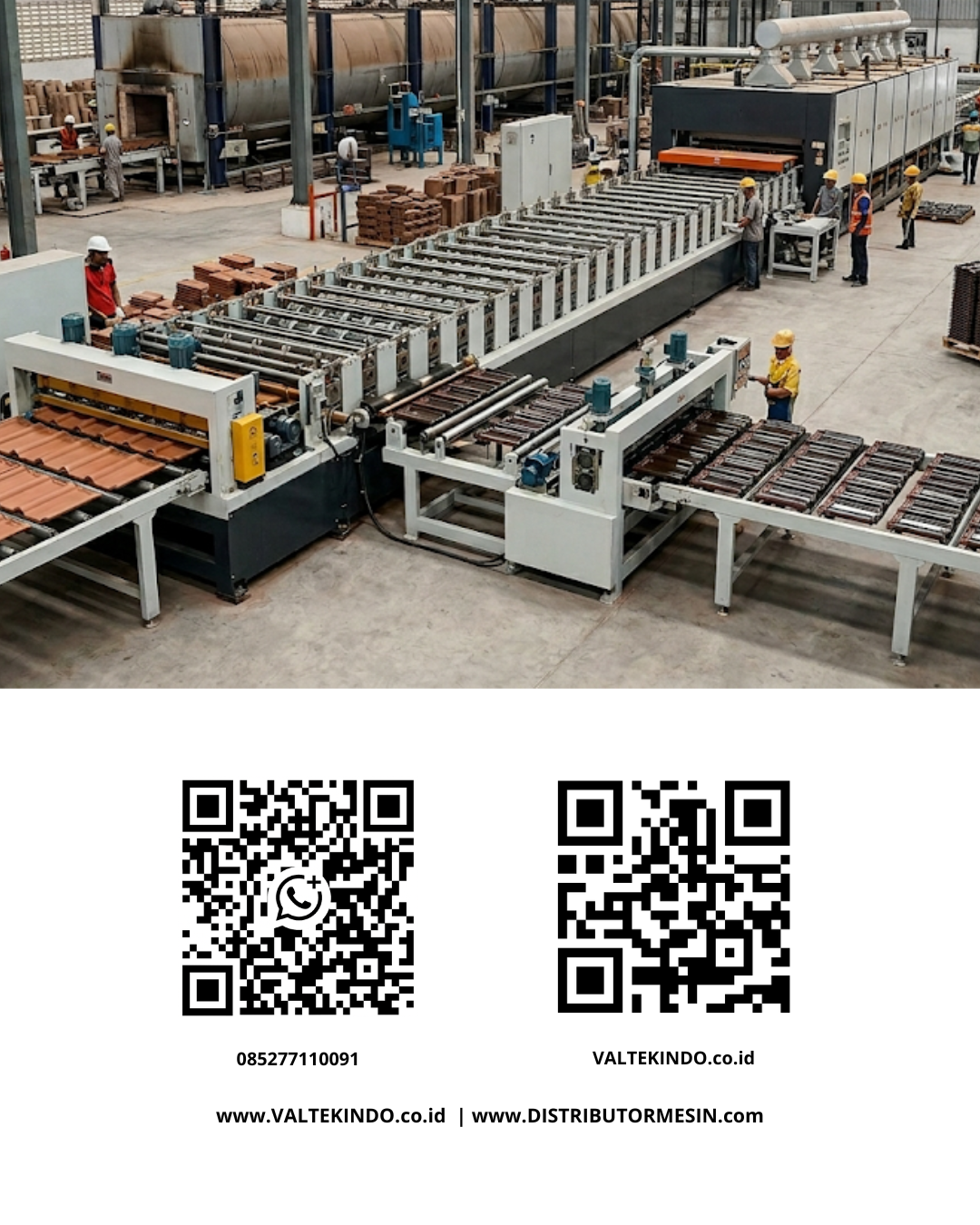
The construction industry is undergoing a significant transformation, particularly in the development of roofing materials capable of withstanding extreme climatic challenges. In tropical regions characterized by high ultraviolet (UV) exposure and intense rainfall, conventional roofing materials often suffer from color degradation, cracking, and corrosion. As a solution, material technology innovation now focuses on the use of advanced polymers such as PVC (Polyvinyl Chloride), ASA (Acrylonitrile Styrene Acrylate), and PMMA (Poly Methyl Methacrylate).
These three materials are not merely standard plastics; they are the result of chemical engineering designed to provide long-term protection. This article examines how the synergy of these materials is creating a new standard in the manufacturing of weather-resistant plastic roofing.
The Role of PVC in Roofing Structures
PVC has long been a backbone of the manufacturing industry due to its cost efficiency and solid durability. In the production of plastic roofing, PVC functions as the structural layer providing mechanical strength. Its lightweight yet rigid nature facilitates installation without overtaxing the building's frame.
Furthermore, PVC possesses natural resistance to chemicals and fire (self-extinguishing). However, pure PVC is vulnerable to long-term UV exposure, which can cause the material to become brittle. Consequently, in modern innovations, PVC is combined with additional protective layers to maintain its structural integrity for decades.
ASA: The Anti-UV Shield and Aesthetic Guardian
One of the greatest challenges for plastic roofing is discoloration or fading caused by sunlight. This is where ASA technology becomes crucial. ASA is a terpolymer with extraordinary weatherability. This material is frequently applied as a top layer (co-extrusion) on plastic roof tiles.
The primary advantage of ASA lies in its ability to reflect heat and retain color pigments. Unlike standard plastic materials, ASA does not easily yellow or crack even when exposed to consistently high temperatures. Using this technology ensures that building aesthetics are preserved, drastically minimizing the need for repainting or routine maintenance.
PMMA: Transparency and Maximum Scratch Resistance
PMMA, often known as acrylic, adds a new dimension to plastic roofing innovation. This material boasts high clarity and better impact resistance than glass. In specific roofing applications, PMMA is used to provide a luxurious glossy finish while increasing surface hardness.
The PMMA layer makes the roof surface smoother, preventing dust and dirt from adhering easily. When it rains, the water effectively washes away debris—a phenomenon known as the self-cleaning effect. The synergy between a strong PVC structure, UV-resistant ASA protection, and a PMMA finish creates a comprehensive roofing product in terms of both function and visual appeal.
Why This Material Synergy Matters for the Future
The integration of PVC, ASA, and PMMA is an answer to the demands of sustainable building. Durable roofing translates to reduced construction waste due to longer replacement cycles. Additionally, the ability of these materials to reduce heat can lower indoor temperatures, indirectly reducing energy consumption for air conditioning.
For those prioritizing quality, selecting materials with the correct technical specifications is a long-term investment. Currently, the market offers various high-quality elegant glazed tiles that adopt these advanced protective layer technologies. By understanding the characteristics of each material, property owners can make smarter decisions to protect their assets from weather damage.
Conclusion
Building material technology has evolved far beyond mere shelter. The combination of PVC, ASA, and PMMA in plastic roofing proves that strength, beauty, and durability can coexist. Innovation ensures that the roof not only functions as a shield from rain and heat but also as a component that enhances the aesthetic value and energy efficiency of a building. You can explore further regarding various infrastructure and technical equipment solutions that support modern construction standards today.
Optimize Your Industry Today!
Achieve production efficiency and the highest quality standards with a trusted industrial machinery provider. Explore our wide selection of premium processing and testing equipment at:
Website : valtekindo.co.id
Wesbite : distributormesin.com
Consult your technical needs with our expert sales team:
WhatsApp 1: +62 852-2211-0091
WhatsApp 2: +62 852-7711-0091

Admin
AuthorAdmin is a writer on the Valtekindo website, providing informative content about High Quality Industrial Machinery and Testing Machines.
Related post:
- Pharmaceutical Factory Production Escalation Strategy: Why Investing in an Automatic Capsule Filling Machine is the Most Crucial Business Decision
- High-Precision Wire Cut EDM Technology in 2026: The Ultimate Solution for Mold Making, Stamping Dies, and Automotive Component Fabrication Without Thermal Distortion
- 2026 Automated Carton Sealer & Erector Investment Guide: End-of-Line Automation Strategies for Industrial Plant Efficiency