Production Capacity Enhancement Strategies Through the Integration of Automatic Liquid Filling Machines in the Modern Manufacturing Sector
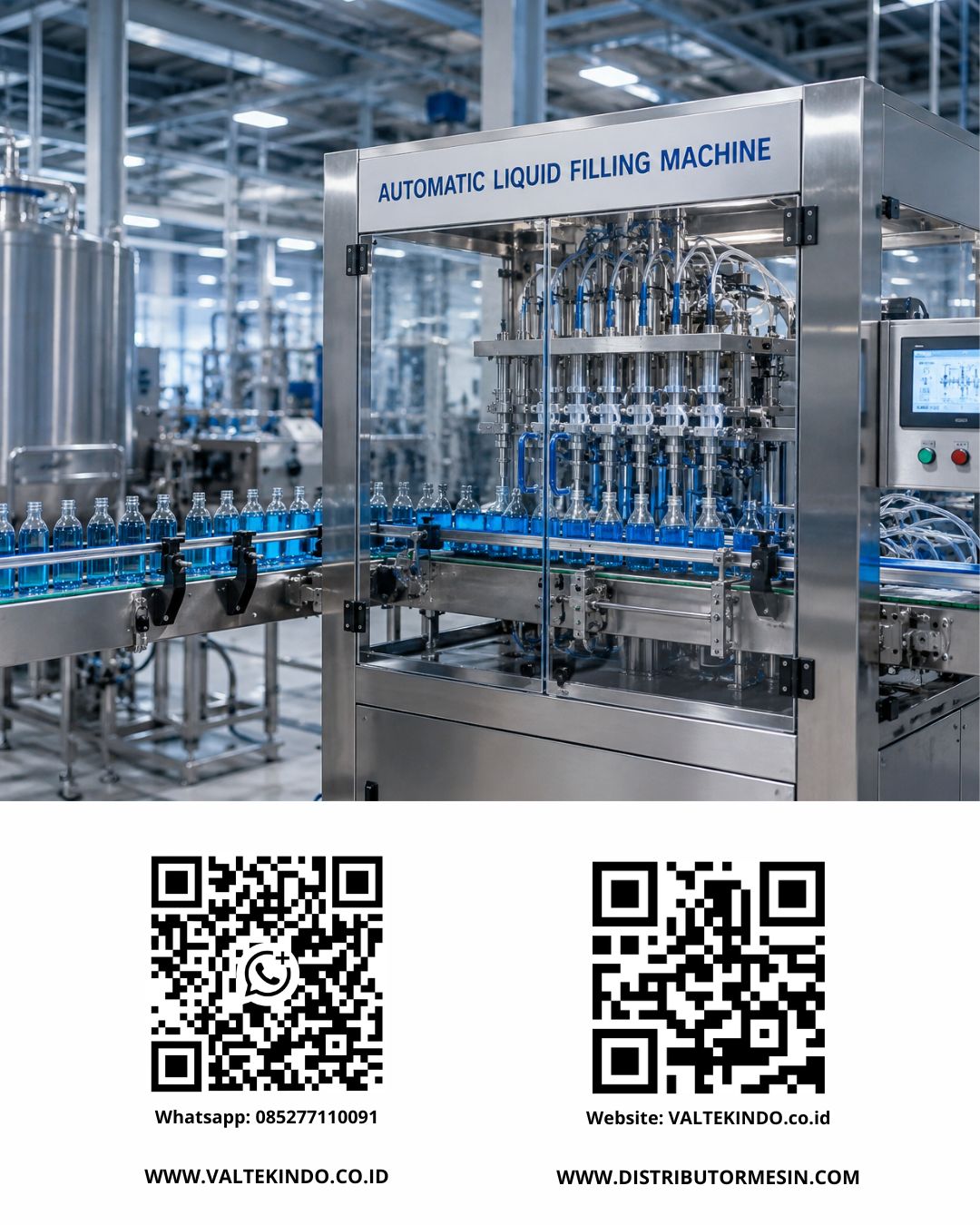
Introduction: The Transformation of Automation in Industrial Production Lines In the fast-paced landscape of modern industrial manufacturing, operational efficiency and the optimization of production capacity stand as two central pillars determining the profitability of any factory facility. One of the most crucial sectors within the supply chains of chemical, pharmaceutical, food, and beverage industries is the liquid packaging process. The transformation from manual or semi-automatic filling methods to fully automated systems is no longer merely an option, but a strategic imperative. The integration of an Automatic Liquid Filling Machine into a production line offers measurable surges in productivity, minimizes operational downtime, and drastically reduces the margin of human error that frequently leads to large-scale material losses.
For investors and factory operations managers, comprehending the mechanics, technological capabilities, and the Return on Investment (ROI) of automatic liquid filling machines is a fundamental step prior to executing large-scale industrial machinery procurement. This article will thoroughly explore the technical parameters, efficiency metrics, and how automated liquid filling systems can revolutionize your factory's daily production standards.
Operational Mechanics and Technical Specifications of Automatic Liquid Fillers Architecturally, an Automatic Liquid Filling Machine is engineered with high-level precision to handle various grades of liquid viscosity, ranging from thin, free-flowing liquids like mineral water or chemical solvents, to highly viscous substances such as pastes, syrups, or industrial lubricants. These machines operate through a complex synchronization of mechanical, pneumatic, and advanced electronic control systems, typically governed by a Programmable Logic Controller (PLC) interfaced with a touch-screen Human Machine Interface (HMI).
The PLC system allows factory operators to configure precise filling volumes down to the milliliter, adjust liquid flow rates, and store numerous calibration profiles for different bottle types or containers. This provides exceptionally high operational flexibility, allowing a single production line to handle multiple product Stock Keeping Units (SKUs) without requiring time-consuming hardware changeovers. Furthermore, servo motor technology, frequently integrated into the driving systems (pistons or peristaltic pumps), guarantees that every filling cycle maintains absolute volume consistency, strictly adhering to stringent industry Quality Control tolerances.
Classification of Filling Technologies Based on Viscosity and Industrial Applications The selection of liquid filling technology must be specifically aligned with the physical and chemical characteristics of the processed product. In large-scale industrial environments, several filling technology classifications are commonly deployed:
- Volumetric Piston Fillers: Highly ideal for medium to high-viscosity liquids (pastes, sauces, cream cosmetics). This system utilizes a precision cylinder to draw and dispense fluid with extreme volumetric accuracy.
- Gravity Fillers: Utilized primarily for free-flowing, non-foaming liquids such as water, vinegar, or light chemical solvents. This system leverages pure gravity combined with timed valving.
- Pump Fillers (Gear/Lobe Pumps): Designed for particulate products or highly viscous liquids that require consistent, strong mechanical force, frequently used in heavy food processing or petrochemical industries.
- Overflow Fillers: Ensures that liquid is filled to the exact same visual level in every bottle, regardless of minor variations in the internal container volume. This technology is dominant in the liquid cosmetic and transparent bottled beverage sectors.
Cost-Benefit Analysis and Long-Term Return on Investment (ROI) From a corporate financial perspective, industrial machinery procurement is a Capital Expenditure (CapEx) requiring clear ROI justification. Deploying automated liquid filling machinery yields exponential savings in medium to long-term Operational Expenditure (OpEx). Firstly, labor efficiency increases drastically as an automated system typically requires only one or two supervisory operators, compared to a dozen manual laborers. Secondly, the machine's absolute accuracy eliminates product giveaway caused by overfilling. If a factory produces tens of thousands of bottles per day, saving a few milliliters per bottle accumulates into billions of rupiahs in savings annually.
Quality Standardization and Industrial Machinery Distributor Selection The successful integration of this technology relies not only on the manufacturing quality of the machine itself but also on the capability of the distribution network supporting the machine's lifecycle, from installation and calibration to after-sales service and spare parts availability. Partnering with an authorized distributor possessing a long track record in managing factory procurement is crucial. In this regard, PT Valtekindo Global Intertek holds a strong commitment to supporting manufacturing infrastructure in Indonesia by providing various international-standard industrial equipment.
For manufacturing facilities currently in the phase of upgrading operational capacity, conducting a specific needs audit and selecting precise machine specifications is highly recommended. You can review further technical details through this implementation reference link: https://www.valtekindo.co.id/produk-detail/jual-automatic-liquid-filling-machine-solusi-pengisian-cairan-otomatis-efisien. The implementation of this high-tech system ensures that your factory is not only capable of meeting massive market quota demands but also maintains a healthy operational margin.
Conclusion Facing increasingly tight global industrial competition, production scalability must be backed by a solid automation foundation. The Automatic Liquid Filling Machine stands as an operational backbone across numerous liquid industrial sectors. With precision capabilities, integration flexibility, and the reliability of advanced electronic systems, this machine offers a comprehensive solution to suppress production costs and maximize output quantity without compromising quality parameters.
Contact Our Sales Team Today
Looking for high-quality industrial machinery, factory automation solutions, or customized equipment for your business? Our experienced sales team is ready to help you find the right solution, provide technical consultation, and offer the best pricing.
Contact Our Official WhatsApp Sales Team:
- WhatsApp Sales 1: 085222110091
WhatsApp Sales 2: 085277110091
Visit our official websites to explore our complete product catalog, machine operation videos, technical information, and exclusive offers:
PT. Valtekindo Global Intertek is your trusted partner for industrial machinery, processing equipment, recycling systems, laboratory instruments, and factory automation solutions. Contact us today for a free consultation and receive the best solution tailored to your business needs.

Admin
AuthorAdmin is a writer on the Valtekindo website, providing informative content about High Quality Industrial Machinery and Testing Machines.
Related post:
- Pharmaceutical Factory Production Escalation Strategy: Why Investing in an Automatic Capsule Filling Machine is the Most Crucial Business Decision
- High-Precision Wire Cut EDM Technology in 2026: The Ultimate Solution for Mold Making, Stamping Dies, and Automotive Component Fabrication Without Thermal Distortion
- 2026 Automated Carton Sealer & Erector Investment Guide: End-of-Line Automation Strategies for Industrial Plant Efficiency