Optimizing Energy Efficiency in Conveyor Systems Through Supporting Component Management
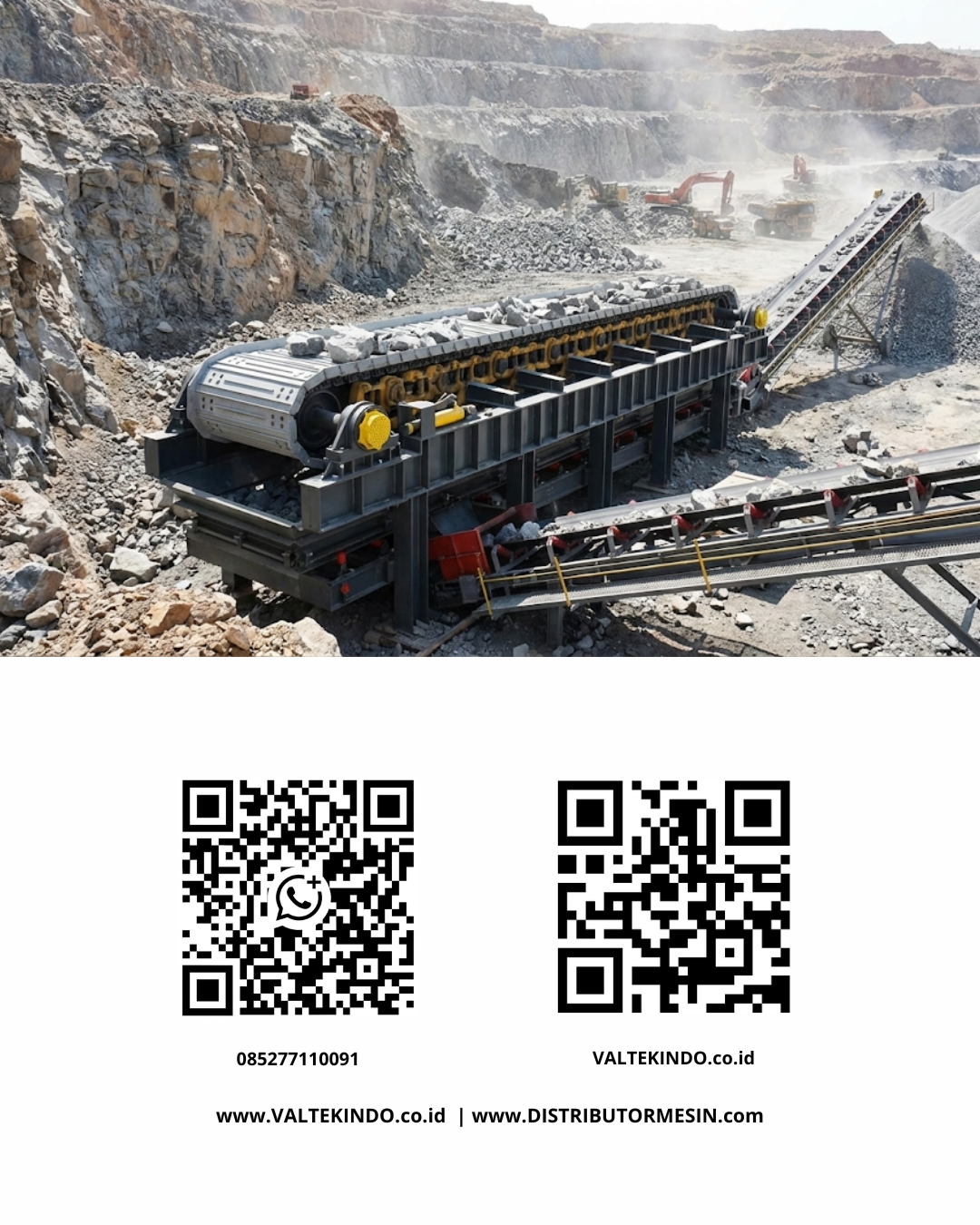
In the modern industrial ecosystem—particularly within the mining, manufacturing, and logistics sectors—the belt conveyor serves as the operational lifeline. This system works ceaselessly to move large quantities of material (bulk material handling) from one point to another. However, industry players often fail to realize that the conveyor system is frequently one of the largest consumers of electricity on a project site.
Many companies focus solely on replacing drive motors with high-efficiency models (IE3 or IE4) to save energy. While this step is correct, it is incomplete. Energy efficiency in a conveyor system is the result of the synergy of all components. Ignoring the management of supporting components—such as idlers, pulleys, and transmission systems—can lead to power losses due to unnecessary friction, effectively negating the expected savings from the new motor.
Understanding Energy Loss
Before diving into optimization strategies, it is crucial to understand where the energy "leaks." In long conveyor systems, a significant portion of motor power consumption is used to overcome motion resistance. This resistance arises from friction between the belt and idlers, internal friction within bearings, and the deformation of the rubber belt as it passes over rollers (indentation rolling resistance).
If supporting components are not well-maintained or managed, the friction coefficient will increase drastically. Engineering studies indicate that proper management of supporting components can reduce total energy consumption by 15-20%. Therefore, a comprehensive mechanical understanding is required in the selection and management of these components so that every part of the conveyor system integrates and functions optimally.
The Vital Role of Idlers and Rollers in Efficiency
The most numerous components in a conveyor system are the idlers. Since there can be thousands in a single line, small inefficiencies in one idler accumulate into massive power losses.
- Alignment: Misaligned idlers force the motor to work harder to pull the belt. Periodic alignment checks are mandatory.
- Bearing Condition: Seized bearings or a lack of lubrication cause idlers to stop rotating. This transforms rolling friction into sharp sliding friction, which not only wastes energy but also damages the belt.
- Diameter Selection: Using larger diameter idlers (if the design permits) can reduce the bearing rotation speed, which theoretically lowers rolling resistance.
Read Also: Getting to Know the Mobile Crawler Crusher: Flexibility for On-Site Stone Crushing
Optimization of Transfer Areas and Feeders
Energy efficiency is also heavily influenced by how material is loaded onto the conveyor. Impact loads and unstable material flow cause motor load fluctuations (current spikes), which are highly inefficient.
In applications handling very hard, abrasive, or large-sized materials, the use of an apron feeder mechanism is often recommended over standard belt feeders. Using the right supporting components in this loading area ensures material is distributed an evenly before entering the main conveyor line. This load stability allows the drive motor to operate consistently at its peak efficiency curve, without struggling to overcome sudden load surges.
Belt Tensioning System Management
The tensioning system or take-up unit is often overlooked during energy audits. A belt that is over-tensioned places excessive radial load on pulleys and bearings, directly increasing power consumption. Conversely, a belt that is too loose causes slippage at the drive pulley, meaning energy is wasted without producing effective material movement.
Implementing a calibrated gravity take-up or automatic winch system is essential. The goal is to maintain belt tension at the minimum point necessary to prevent slippage, but no more. This precision setting is key to long-term energy savings.
Condition-Based Maintenance Strategy
The final and most sustainable step in component management is shifting from reactive maintenance (fix when broken) to predictive maintenance.
Modern technology allows for the installation of vibration and temperature sensors on key supporting components. This data can signal if a pulley is starting to wear or an idler is beginning to seize before total failure occurs. By replacing "sick" supporting components in a timely manner, operators keep the system smooth running. A smooth-running system maintains a low friction coefficient, which directly correlates to lower electricity bills.
Conclusion
Optimizing energy efficiency in conveyor systems cannot be done partially. It requires a holistic approach that prioritizes the management of supporting components—from idlers and tensioning systems to the selection of feeder equipment. By reducing motion resistance through disciplined maintenance and proper specification selection, industries not only suppress operational costs but also contribute to environmental sustainability through a reduced carbon footprint.
Optimize Your Industry Today!
Achieve production efficiency and the highest quality standards with a trusted industrial machinery provider. Explore our wide selection of premium processing and testing equipment at:
Website : valtekindo.co.id
Website : distributormesin.com
Consult your technical needs with our expert sales team:
WhatsApp 1: +62 852-2211-0091
WhatsApp 2: +62 852-7711-0091

Admin
AuthorAdmin is a writer on the Valtekindo website, providing informative content about High Quality Industrial Machinery and Testing Machines.
Related post:
- Pharmaceutical Factory Production Escalation Strategy: Why Investing in an Automatic Capsule Filling Machine is the Most Crucial Business Decision
- High-Precision Wire Cut EDM Technology in 2026: The Ultimate Solution for Mold Making, Stamping Dies, and Automotive Component Fabrication Without Thermal Distortion
- 2026 Automated Carton Sealer & Erector Investment Guide: End-of-Line Automation Strategies for Industrial Plant Efficiency