National Heavy Equipment Market Expansion Strategy: Penetrating Networks from China to Southeast Asia
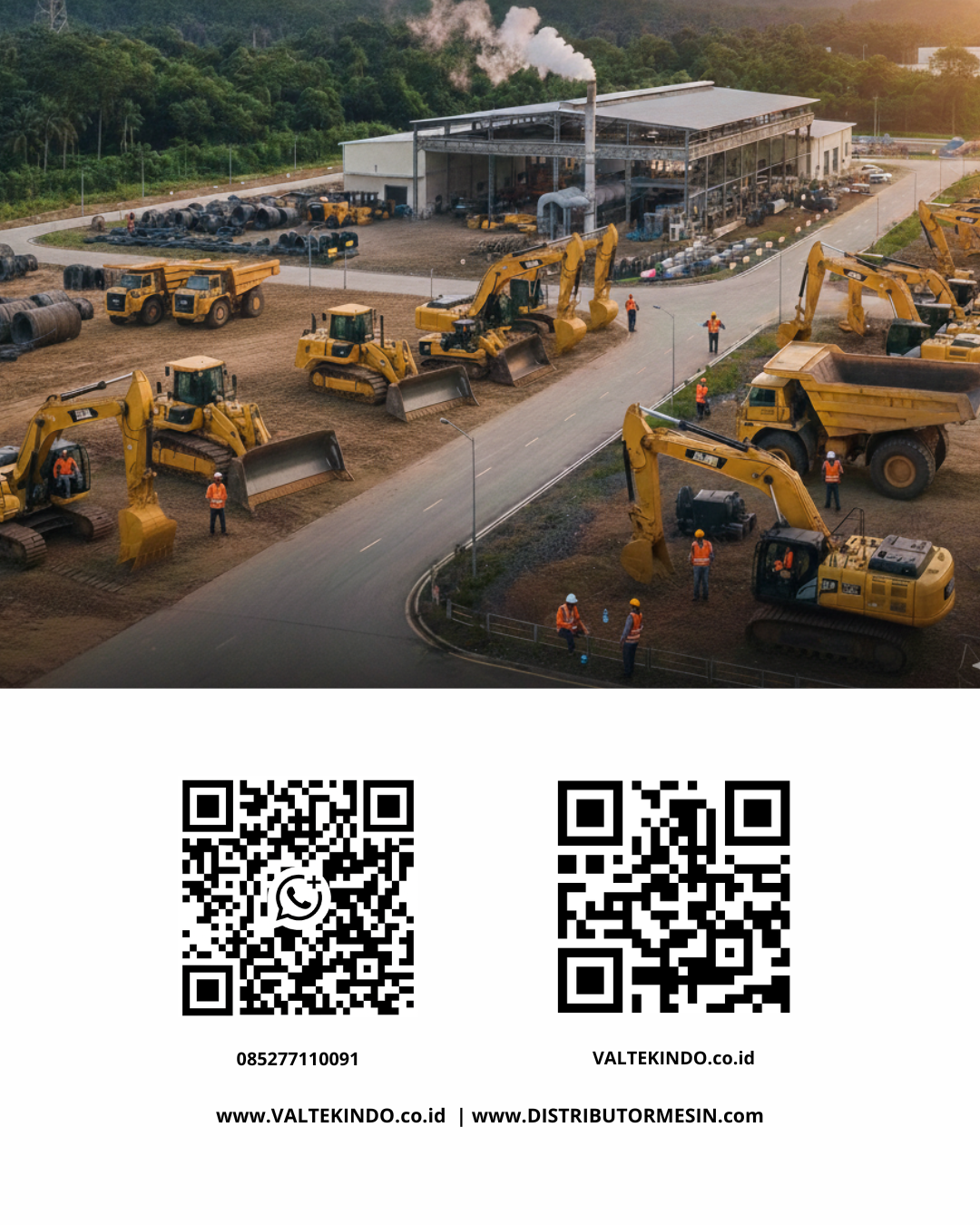
The Indonesian heavy equipment industry is currently at a crucial turning point. As a nation rich in natural resources, the demand for infrastructure and operational efficiency in the mining and construction sectors continues to rise. However, to achieve higher independence and competitiveness, local industry players must look beyond the domestic market. An expansion strategy involving collaboration with major manufacturers from China and strengthening networks across Southeast Asia is the primary key to the future industry roadmap.
Seizing Opportunities within the Chinese Supply Chain
China has solidified its position as a global leader in heavy equipment manufacturing. Their advantage lies not only in competitive pricing but also in increasingly precise and adaptive technological innovation. For industrial developers in Indonesia, building strategic relationships with Chinese manufacturers is not just about importing finished goods, but about technology transfer and component integration.
The first step in this expansion strategy is understanding machine specifications that suit Indonesia's unique topography. For instance, the need for robust units for land clearing in the plantation and mining sectors often requires high-durability machinery. In this regard, utilizing reliable earth-moving units with high performance becomes vital to ensure projects stay on schedule without significant technical obstacles. By absorbing more fuel-efficient technology from China, national industry players can significantly reduce operational costs.
Strengthening Network Integration in Southeast Asia
Beyond looking toward China, the Southeast Asian market offers immense synergistic potential. ASEAN countries share similar infrastructure project characteristics, ranging from transnational highway construction to the development of new industrial zones. Market expansion strategies in this region must focus on providing total solutions rather than just unit sales.
Inter-country collaboration in Southeast Asia allows for the standardization of after-sales services. When a company successfully penetrates regional networks, consumer trust increases due to the widespread availability of technical support. This integration also includes the ease of procuring certified industrial support tools. To further review industrial standards and specifications commonly used in regional benchmarks, you may refer to information at this trusted industrial solution provider which presents various latest technological options.
Technology Adaptation and Sustainability
The world is currently moving toward a "green" industry. Future heavy equipment is required to have low emissions while remaining powerful. In penetrating international networks, national market players must begin adopting machinery that supports sustainability concepts. Manufacturers in China are currently aggressively developing electric and hybrid-based heavy equipment.
Adapting to this trend will make it easier for local companies to enter international projects in Southeast Asia that have strict environmental regulations. Investing in a modern fleet is not just about increasing production capacity, but about building a reputation as a responsible and visionary industry player.
Logistics and Distribution Challenges
One of the biggest hurdles in heavy equipment market expansion is logistics management. Given the extraordinary size and weight of the units, efficiency in cross-border shipping requires meticulous planning. Building partnerships with logistics service providers who understand export-import regulations in China and neighboring countries is an inseparable part of the expansion strategy.
Success in penetrating international markets depends on how quickly spare parts can be provided when a breakdown occurs in the field. Therefore, establishing regional distribution warehouses or hubs at strategic points in Southeast Asia will provide a competitive advantage that is difficult for competitors relying on a single central shipping point to match.
Conclusion
Expanding the national heavy equipment market requires a combination of adopting technology from market leaders like China and strengthening collaboration at the Southeast Asian level. By focusing on efficiency, sustainability, and supply chain reinforcement, the Indonesian heavy equipment industry will not only be a spectator in the global market but a key player to be reckoned with. Infrastructure readiness and the availability of high-quality units will be the primary foundation for winning the competition in the coming decade.
Optimize Your Industry Today!
Achieve production efficiency and the highest quality standards with a trusted industrial machinery provider. Explore our wide selection of premium processing and testing equipment at:
Website : valtekindo.co.id
Website : distributormesin.com
Consult your technical needs with our expert sales team:
WhatsApp 1: +62 852-2211-0091
WhatsApp 2: +62 852-7711-0091

Admin
AuthorAdmin is a writer on the Valtekindo website, providing informative content about High Quality Industrial Machinery and Testing Machines.
Related post:
- Pharmaceutical Factory Production Escalation Strategy: Why Investing in an Automatic Capsule Filling Machine is the Most Crucial Business Decision
- High-Precision Wire Cut EDM Technology in 2026: The Ultimate Solution for Mold Making, Stamping Dies, and Automotive Component Fabrication Without Thermal Distortion
- 2026 Automated Carton Sealer & Erector Investment Guide: End-of-Line Automation Strategies for Industrial Plant Efficiency