Key Power Press Specifications for Optimal Production
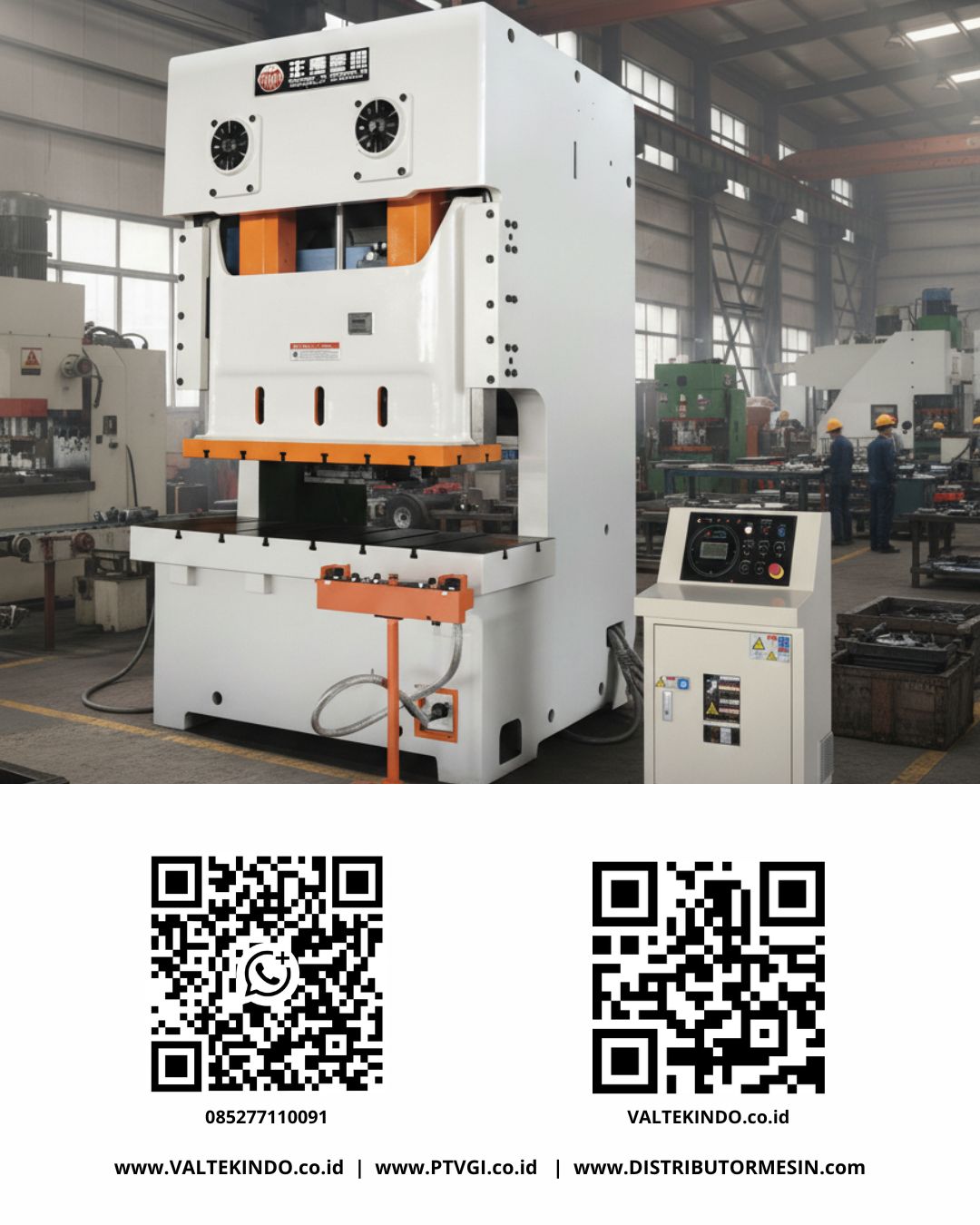
Modern manufacturing, especially in the automotive and electronics component sectors, is a race defined by demands for efficiency, precision, and high-volume output. At the heart of sheet metal forming operations, the Power Press stands as a central pillar. However, not all presses are created equal. Achieving optimal production—which translates to minimal downtime, consistent product quality, and extended die life—hinges on selecting a machine with the right specifications.
The Double Crank Press, in particular, offers significant advantages for applications requiring large working areas and balanced load distribution. This article will explore the key specifications that should be your primary focus when selecting a power press to maximize your production output.
1. Frame Design: H-Frame vs. C-Frame
The foundation of a press is its frame. The frame choice directly impacts the machine's precision and its ability to handle heavy workloads.
- C-Frame: Commonly used for smaller capacities. Its advantage is easy accessibility from three sides. However, under heavy loads, C-frames are susceptible to "deflection" or "gaping," which can reduce accuracy and accelerate die wear.
- H-Frame (Straight Side): For optimal production and high tonnage, the H-Frame is the superior choice. Its closed-in, two-column (or four-column) design provides exceptional rigidity. Modern Double Crank Presses almost exclusively use H-Frame designs because they excel at absorbing and distributing press forces evenly.
The rigidity of the H-Frame ensures that the slide and bolster remain perfectly parallel even at maximum load. This is the key to precision stamping, tight-clearance blanking, and dramatically extending the life of your dies.
2. The Drive System: The Double Crank Advantage
As the name implies, this machine uses two crankshafts to actuate the slide. Why is this important? In a single-crank press, the force is concentrated at one point. In a double-crank machine, the force is distributed to two points (typically on the left and right sides of the slide).
This balanced load distribution is vital when using large progressive dies or complex, multi-stage tooling. It prevents slide tilting caused by off-center loading, a common culprit for product defects and die damage. Manufacturing firms serious about scaling production must consider the stability offered by this double-crank design.
3. Capacity (Tonnage) and Tonnage Rating Point
Capacity, measured in Tons, is the most frequently discussed specification. It is the maximum force the press can exert. However, where that maximum force becomes available is just as important.
Most mechanical presses deliver their full tonnage only at a specific point near the bottom of the stroke (Bottom Dead Center/BDC), often called the "Tonnage Rating Point" (e.g., 6mm or 12mm before BDC). For forming or deep-drawing operations that require significant force over a longer portion of the stroke, you must ensure the machine's specifications match. Choosing a trusted supplier, such as PT Valtekindo Global Intertek, ensures you receive the right consultation so the machine's capacity matches your real-world process needs.
4. Clutch and Brake System
The heart of a press's cycle is its clutch and brake system. The choice between "Dry" and "Wet" has a direct impact on performance and maintenance costs.
- Dry Clutch: Common on older or lower-cost machines. The linings are easier to replace, but they wear faster, create dust, and require periodic adjustments.
- Wet Clutch: This is the gold standard for high-volume, optimal production. The clutch operates in an oil bath, which acts as both a coolant and a lubricant. The results are excellent heat dissipation, higher torque, faster response, and an extremely long service life with minimal maintenance.
For a 24/7 factory operation, the investment in a wet clutch pays for itself through drastic reductions in downtime.
5. Protective Features: Hydraulic Overload Protection (HOLP)
A minor accident in die setup—like a double blank (two pieces of material) or an incorrect shut-height setting—can cause catastrophic, multi-thousand-dollar damage to both the machine and the die.
This is where Hydraulic Overload Protection (HOLP) becomes a non-negotiable specification. HOLP is a hydraulic safety valve system within the slide. If the force experienced exceeds the rated capacity, the valve instantly releases hydraulic pressure, stopping the slide immediately and preventing catastrophic failure. A press without HOLP is too great an operational risk for modern manufacturing. When reviewing the specifications of an advanced Double Crank Press, ensure HOLP is a standard feature.
6. Work Area (Bolster) and Precision (Slide Adjustment)
Specifications are not just about power; they are also about flexibility.
- Bolster Area: The size of the work table (left-to-right and front-to-back) dictates the maximum die size you can install. Double-crank machines naturally excel at providing wide bolsters, ideal for progressive dies or transfer systems.
- Slide Adjustment: This is the ability to change the shut height (the distance between the slide and bolster at BDC). A modern press must have a motorized slide adjustment with a digital indicator. This feature cuts die setup time from hours to minutes, which is critical for high-mix, low-volume production.
Examining the detailed features of the press gives you an idea of how these features are designed to speed up die changes.
Conclusion
Achieving optimal production is not merely about buying the press with the highest tonnage. It is about selecting a synergistic set of specifications: A rigid H-Frame for precision, a double-crank for balanced loads, a wet clutch for 24/7 reliability, and HOLP for protection.
Investing in the right machine from a trusted distributor is the first step to manufacturing success. Companies like PT Valtekindo Global Intertek understand that a machine is part of a larger production ecosystem, offering solutions designed for throughput and long-term reliability. As you review their full Double Crank Press brochure, note how every specification is engineered to meet modern production challenges.
Choosing wisely today means securing efficiency and profitability for years to come. With strong after-sales support from PT Valtekindo Global Intertek, you aren't just buying a machine; you are gaining a partnership in your operational success.
Optimize Your Industry Today!
Achieve production efficiency and the highest quality standards with a trusted industrial machinery provider. Explore our wide selection of premium processing and testing equipment at:
Website : valtekindo.co.id
Wesbite : distributormesin.com
Consult your technical needs with our expert sales team:
WhatsApp 1: +62 852-2211-0091
WhatsApp 2: +62 852-7711-0091

Admin
AuthorAdmin is a writer on the Valtekindo website, providing informative content about High Quality Industrial Machinery and Testing Machines.
Related post:
- Pharmaceutical Factory Production Escalation Strategy: Why Investing in an Automatic Capsule Filling Machine is the Most Crucial Business Decision
- High-Precision Wire Cut EDM Technology in 2026: The Ultimate Solution for Mold Making, Stamping Dies, and Automotive Component Fabrication Without Thermal Distortion
- 2026 Automated Carton Sealer & Erector Investment Guide: End-of-Line Automation Strategies for Industrial Plant Efficiency