Introduction to Boring Machines: Primary Functions and Their Strategic Role in Modern Manufacturing
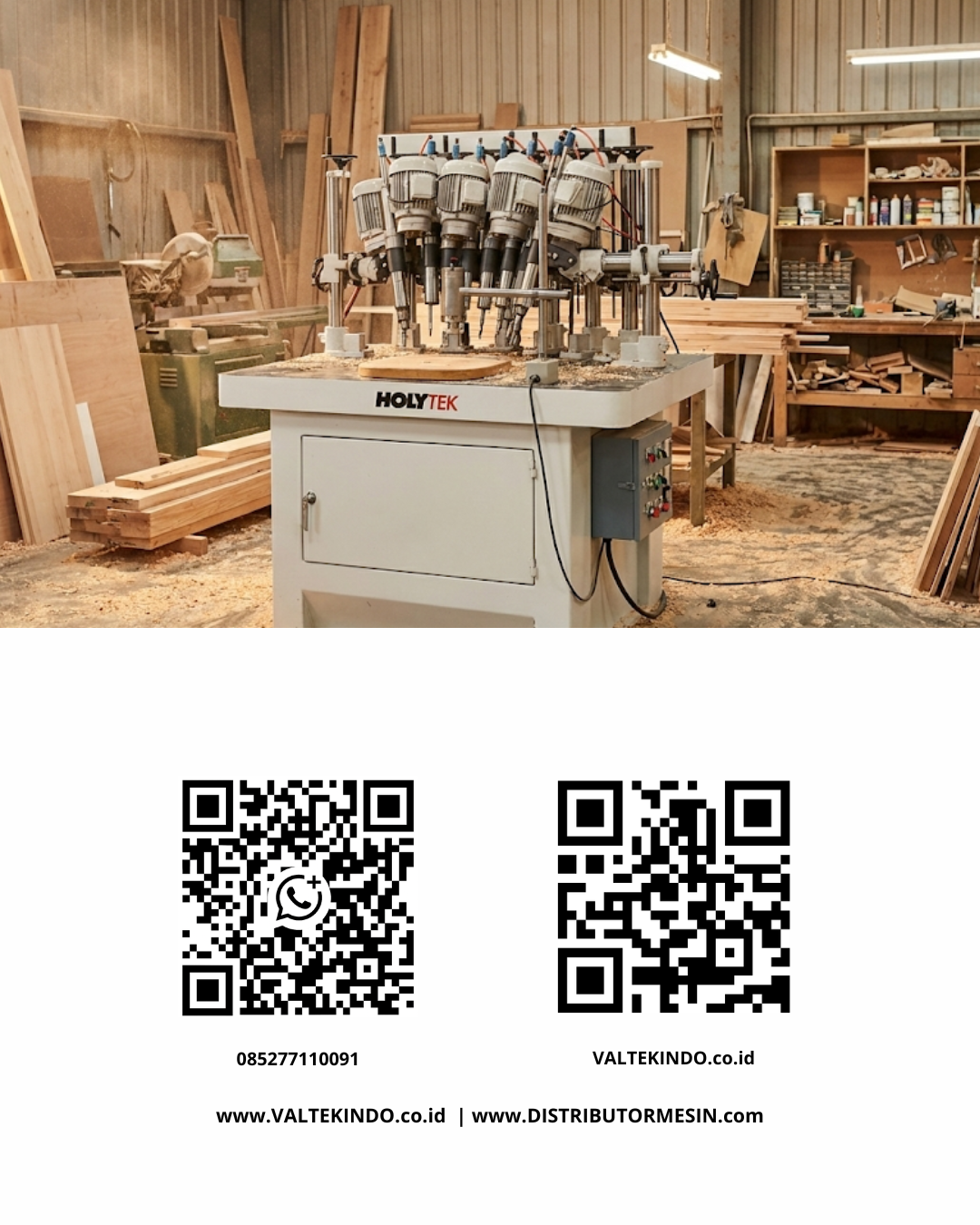
Introduction to Boring Machines: Primary Functions and Their Strategic Role in Modern Manufacturing
In the high-stakes ecosystem of modern manufacturing, where precision is measured in microns, the quality of industrial machinery serves as the bedrock of production success. Among the various specialized tools found in a high-tech workshop, the boring machine stands out as a critical yet often misunderstood asset. While it might appear similar to a standard drilling machine to the untrained eye, the boring machine is a highly specialized piece of equipment designed for refinement, accuracy, and achieving complex internal geometries that standard tools simply cannot match.
Defining the Boring Process: More Than Just Making Holes
To understand the machine, one must first understand the technicality of the process. Boring is a machining operation used to enlarge a hole that has already been created through drilling or casting. Unlike drilling, which is the initial step of creating a hole in solid material, boring is essentially a "finishing" or "perfecting" step. Its primary objective is not to create a new aperture but to refine an existing one to meet exact specifications.
In sectors where components must fit together with zero margin for error—such as aerospace, heavy engine manufacturing, or high-end automotive engineering—achieving perfect concentricity and a smooth surface finish is mandatory. By using a single-point cutting tool that can be adjusted with extreme delicacy, boring machines can correct the straightness of a hole and ensure it is perfectly aligned with the intended axis. This is a task that a standard drill bit, which tends to "walk" or bend slightly under pressure, often fails to accomplish.
Core Functions in High-Precision Production
Boring machines are engineered to handle sophisticated tasks that exceed the capabilities of general-purpose machining tools. Their primary functions in a modern production environment include:
- High-Precision Diameter Enlargement: While a drill might get a hole close to the desired size, a boring machine brings it to the final diameter with incredibly tight tolerances, ensuring a perfect "press fit" or "slip fit" for bearings and shafts.
- Axial Alignment and Correction: In large-scale assembly, such as engine blocks or turbine housings, holes must be perfectly aligned across multiple planes. Boring machines ensure that the center of the hole remains consistent and straight throughout the entire depth of the workpiece.
- Superior Surface Finishing: The internal walls of a bored hole are significantly smoother than those of a drilled hole. This reduction in surface roughness is vital for parts that experience high friction, such as hydraulic cylinders or engine sleeves, significantly increasing the lifespan of the machine.
- Complex Internal Profiling: Modern boring operations allow for the creation of internal grooves, recesses, and stepped diameters that are essential for seating specialized seals or locking rings.
Classification of Boring Machines
Depending on the scale and nature of the workpiece, industries utilize different types of boring technology to maintain efficiency:
- Horizontal Boring Machines: These feature a spindle mounted horizontally and are the workhorses for oversized, heavy components. Because the workpiece remains stationary on a massive, stable bed, these machines are ideal for processing engine blocks for ships or heavy industrial pumps.
- Vertical Boring Machines: In this setup, the workpiece rotates on a large horizontal table while the cutting tool moves vertically. This is particularly effective for circular parts like massive gears, flywheels, or large pipe flanges.
- Jig Boring Machines: These represent the pinnacle of mechanical precision. They are typically found in specialized toolrooms for creating high-precision jigs, fixtures, and dies where positioning accuracy is the absolute highest priority.
The Strategic Value in the Era of Industry 4.0
As we move deeper into the era of smart manufacturing, the integration of Computer Numerical Control (CNC) has transformed boring machines into digital powerhouses. The ability to program precise coordinates into a computer eliminates human error and allows for repeatable, mass-produced accuracy.
In this competitive landscape, staying ahead requires a commitment to utilizing the best tools available. Integrating advanced machining technology allows companies to maintain a lower reject rate and higher throughput. Furthermore, for those looking to upgrade their production capabilities, browsing a reliable boring machine catalog is the first step toward understanding the technical specifications needed to compete in the global market.
Conclusion
The boring machine is more than just a tool; it is a guarantor of quality and mechanical integrity. From the engines that power our vehicles to the turbines that generate our electricity, the accuracy provided by the boring process ensures safety, efficiency, and longevity. By investing in the right technology and understanding the deep technical nuances of these machines, manufacturers can ensure their products meet the rigorous standards of today’s industrial world.
Optimize Your Industry Today!
Achieve production efficiency and the highest quality standards with a trusted industrial machinery provider. Explore our wide selection of premium processing and testing equipment at:
Website : valtekindo.co.id
Website : distributormesin.com
Consult your technical needs with our expert sales team:
WhatsApp 1: +62 852-2211-0091
WhatsApp 2: +62 852-7711-0091

Admin
AuthorAdmin is a writer on the Valtekindo website, providing informative content about High Quality Industrial Machinery and Testing Machines.
Related post:
- Pharmaceutical Factory Production Escalation Strategy: Why Investing in an Automatic Capsule Filling Machine is the Most Crucial Business Decision
- High-Precision Wire Cut EDM Technology in 2026: The Ultimate Solution for Mold Making, Stamping Dies, and Automotive Component Fabrication Without Thermal Distortion
- 2026 Automated Carton Sealer & Erector Investment Guide: End-of-Line Automation Strategies for Industrial Plant Efficiency