Industrial Transformation via Technology Adoption: Challenges and Opportunities in the Digital Era
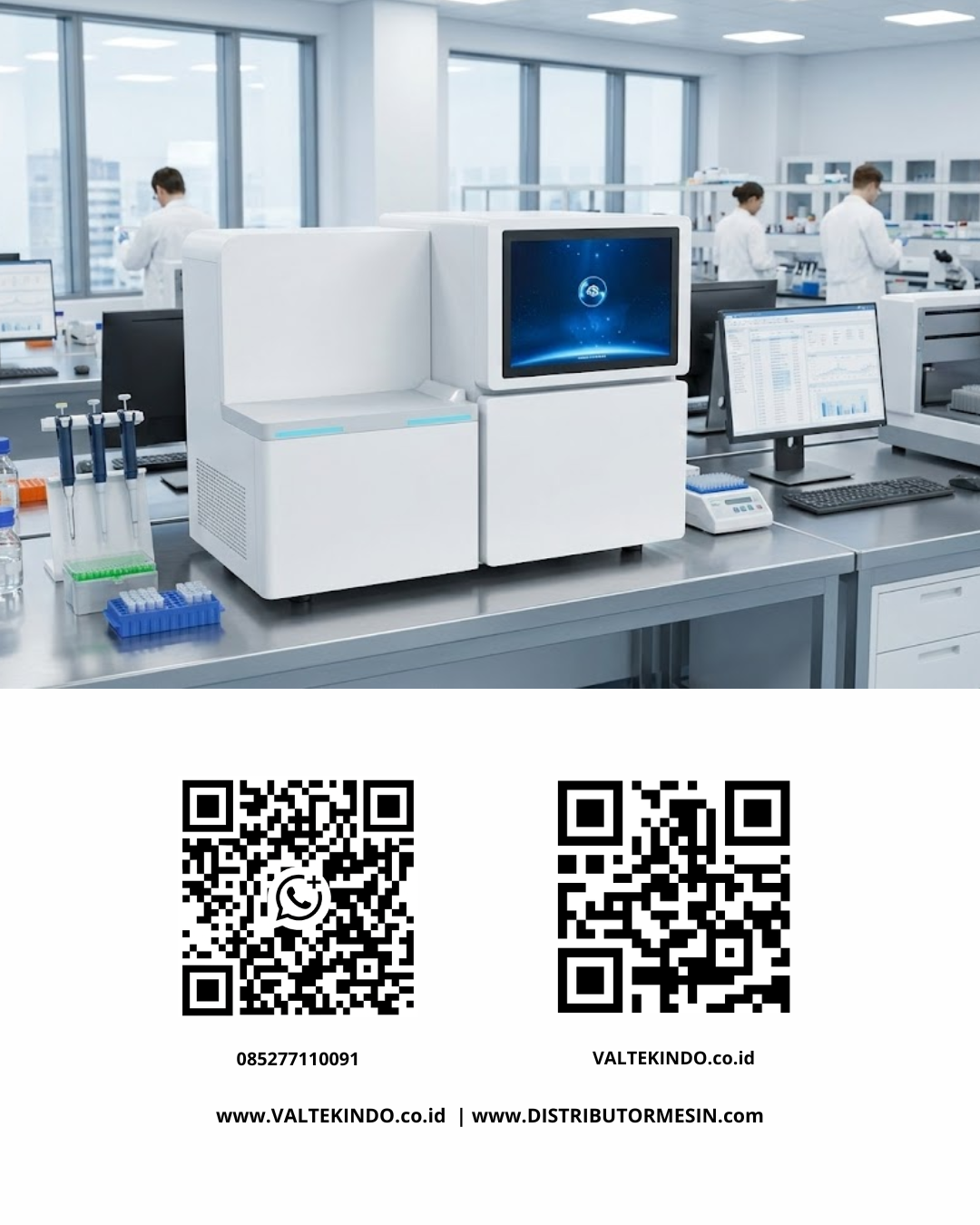
The global landscape is currently navigating the peak of the Fourth Industrial Revolution, a transformative period where the boundaries between the physical, digital, and biological spheres are increasingly blurred. For modern enterprises, industrial transformation is no longer a luxury or a secondary objective; it has become a fundamental necessity for survival in a high-velocity ecosystem. The adoption of cutting-edge technology serves as the primary engine driving operational efficiency to levels previously deemed unattainable.
The Essence of Digital Transformation in Manufacturing and Services
Digital transformation within the industrial sector involves the deep integration of "smart" technologies into every facet of operations. This encompasses the strategic use of Artificial Intelligence (AI), the Internet of Things (IoT), and sophisticated big data analytics. The core objective is to convert raw data into actionable insights. By understanding production patterns or market behaviors through data-driven lenses, organizations can make more precise decisions, minimize waste, and significantly enhance output quality.
A critical pillar of this transformation is the utilization of high-precision instrumentation. Across various sectors—from medical research to heavy manufacturing—leveraging advanced industrial technology solutions allows for much stricter standardization. The presence of these technologies ensures that every product meets rigorous global criteria while simultaneously mitigating the risks associated with human error.
Key Challenges in Implementing Modern Technology
While the promise of extraordinary efficiency is compelling, the transition toward a digital industrial framework is fraught with obstacles. A primary challenge often faced by stakeholders is the substantial initial investment required. Modern digital infrastructure and high-end hardware demand significant capital allocation. Furthermore, the complexity of integrating legacy systems with new, interconnected technologies often creates technical bottlenecks that require specialized expertise to resolve.
Another significant hurdle is the "talent gap." Sophisticated technology requires operators, engineers, and technicians who possess a deep understanding of digital ecosystems. Without a robust strategy for human resource development, even the most advanced equipment will fail to deliver optimal results. Cybersecurity also remains a critical concern; as industries become more connected to the internet, the surface area for cyber threats increases, potentially risking the integrity of the entire production line.
Vast Opportunities in the Era of Disruption
Despite these challenges, there are immense opportunities for those who embrace the technological leap. Direct benefits include energy efficiency and the optimization of supply chains. In the realms of Research and Development (R&D), new technologies facilitate the accelerated discovery of materials or medical solutions through faster, more accurate testing protocols.
For instance, in biotechnology and health sciences, the efficiency of processing genetic data has reached new heights. Utilizing high-throughput sequencing platforms with dual-flowcell technology allows for parallel processing, which drastically reduces turnaround times without compromising data integrity. Such opportunities enable local industries to compete on an international scale by achieving significant savings in both time and operational costs.
Integrating Flexibility and Scalability
Modern industry demands a high degree of agility. Fluctuating market demands require production lines that can adapt almost instantaneously. Digital technology offers this necessary scalability. With integrated systems, changes in production parameters can often be executed via software updates, reducing machine downtime and allowing for a more diverse product mix.
Sustainability is also a major component of this opportunity. Contemporary technology is designed to use resources more intelligently. By employing sensors that monitor energy consumption in real-time, companies can identify specific areas for conservation. This not only improves the bottom line but also helps organizations meet their environmental and social governance (ESG) responsibilities.
Conclusion
Industrial transformation through technology adoption is a strategic journey rather than a one-time upgrade. While challenges such as cost and workforce readiness are real, the rewards—high efficiency, superior product quality, and global competitiveness—are far more valuable. Entering the digital era means being prepared to continuously learn and adopt tools that accelerate industry toward a smarter, more integrated future.
Optimize Your Industry Today!
Achieve production efficiency and the highest quality standards with a trusted industrial machinery provider. Explore our wide selection of premium processing and testing equipment at:
Website : valtekindo.co.id
Website : distributormesin.com
Consult your technical needs with our expert sales team:
WhatsApp 1: +62 852-2211-0091
WhatsApp 2: +62 852-7711-0091

Admin
AuthorAdmin is a writer on the Valtekindo website, providing informative content about High Quality Industrial Machinery and Testing Machines.
Related post:
- Pharmaceutical Factory Production Escalation Strategy: Why Investing in an Automatic Capsule Filling Machine is the Most Crucial Business Decision
- High-Precision Wire Cut EDM Technology in 2026: The Ultimate Solution for Mold Making, Stamping Dies, and Automotive Component Fabrication Without Thermal Distortion
- 2026 Automated Carton Sealer & Erector Investment Guide: End-of-Line Automation Strategies for Industrial Plant Efficiency