How Sand Blasting Machines Work to Remove Rust and Material Contaminants
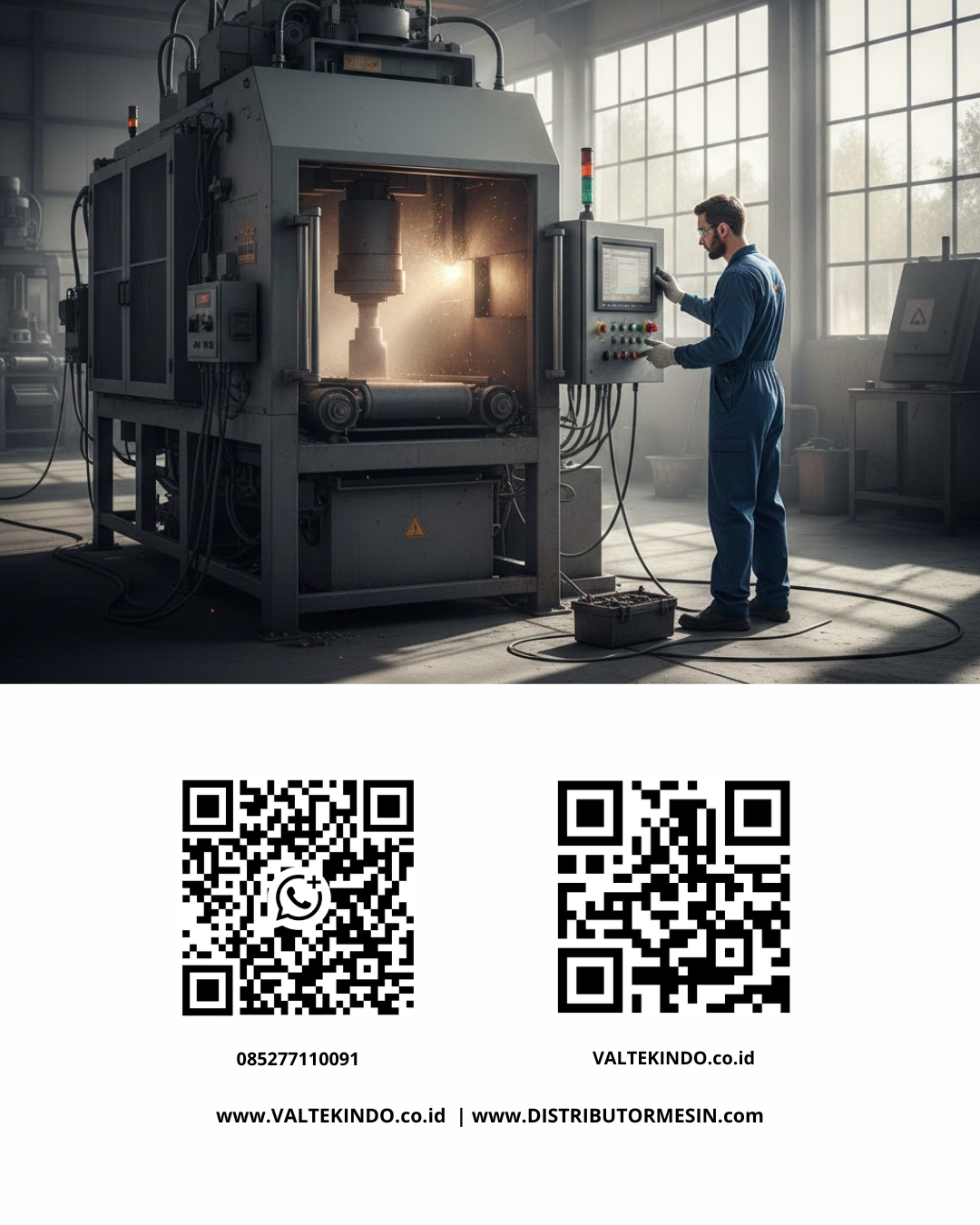
In the realms of material maintenance and metal fabrication, corrosion and rust are primary adversaries that can compromise structural integrity and aesthetic value. One of the most effective and efficient methods used by global industries to combat these issues is sand blasting, also known as abrasive blasting. This technique does more than just clean a surface; it meticulously prepares the surface profile for subsequent coating or painting processes.
Understanding the Concept of Sand Blasting
Sand blasting is a surface treatment process that involves forcibly propelling a stream of abrasive material (such as silica sand, steel grit, glass beads, or aluminum oxide) against a surface under high pressure. The frictional force and impact from these particles strip away contaminants, old paint, heavy rust, and oxidation scales that are tightly bonded to the base material.
Operating Principles: Suction vs. Pressure Systems
The functionality of these machines relies heavily on robust pneumatic systems. Generally, there are two primary mechanisms used in industrial operations:
- Suction (Venturi) Systems: These utilize the Venturi principle, where high-velocity air creates a vacuum that pulls the abrasive media into the airflow before it is discharged through the nozzle. This is often used for lighter, precision tasks.
- Pressure Systems: In this setup, the abrasive media is stored in a pressurized vessel. The air and media mix under high pressure and are pushed through the hose toward the nozzle at much higher velocities. This system is significantly more powerful and is the standard for heavy-duty industrial rust removal.
When the abrasive particles exit the nozzle at high speeds, the resulting kinetic energy allows them to penetrate the smallest crevices of the metal surface. This impact effectively breaks the molecular bond between the rust and the parent metal without damaging the internal structure of the material.
The Systematic Process of Rust Removal
A professional blasting operation typically follows a structured sequence to ensure optimal results:
- Media Selection: Choosing the right abrasive is critical. For thick structural steel, heavy steel grit is preferred, while softer materials might require finer media like glass beads to prevent surface warping.
- The Blasting Phase: Operators direct the high-pressure stream evenly across the surface. Mastering the angle of impact is crucial here to ensure deep cleaning while maintaining the material's dimensional accuracy.
- Surface Finalization: Once the rust is removed, the surface is cleared of dust and spent abrasives using pure compressed air, leaving a sterile, "white metal" finish.
Strategic Benefits for Industrial Applications
Beyond sheer speed, the primary advantage of this method is the creation of an "anchor pattern" or surface roughness. This profile is vital for ensuring that protective coatings or anti-corrosion paints adhere much more strongly than they would on a surface cleaned manually by wire brushing or sanding.
In high-volume production environments, time efficiency is a key driver of profitability. Many facilities are now integrating an automatic sand blasting machine to achieve consistent results and reduce the physical strain on manual operators. This automation ensures that every inch of a component receives uniform abrasive exposure, ultimately extending the service life of the industrial parts.
Safety and Operational Standards
Given the high pressures and microscopic particles involved, Occupational Health and Safety (OHS) standards are paramount. Operators must wear specialized blasting suits, helmets with a dedicated fresh air supply, and abrasion-resistant gloves. Furthermore, advanced air filtration systems are necessary to prevent dust pollution within the workshop environment.
For plant managers looking to elevate their material cleaning standards, understanding the capabilities of available technology is essential. You can review various surface treatment technologies through this industrial machinery catalog to better align machine specifications with the specific materials handled in your facility.
Optimize Your Industry Today!
Achieve production efficiency and the highest quality standards with a trusted industrial machinery provider. Explore our wide selection of premium processing and testing equipment at:
Website : valtekindo.co.id
Website : distributormesin.com
Consult your technical needs with our expert sales team:
WhatsApp 1: +62 852-2211-0091
WhatsApp 2: +62 852-7711-0091

Admin
AuthorAdmin is a writer on the Valtekindo website, providing informative content about High Quality Industrial Machinery and Testing Machines.
Related post:
- Pharmaceutical Factory Production Escalation Strategy: Why Investing in an Automatic Capsule Filling Machine is the Most Crucial Business Decision
- High-Precision Wire Cut EDM Technology in 2026: The Ultimate Solution for Mold Making, Stamping Dies, and Automotive Component Fabrication Without Thermal Distortion
- 2026 Automated Carton Sealer & Erector Investment Guide: End-of-Line Automation Strategies for Industrial Plant Efficiency