How Rubber Injection Molding Machines Overcome Precision Issues in Shoe Soles?
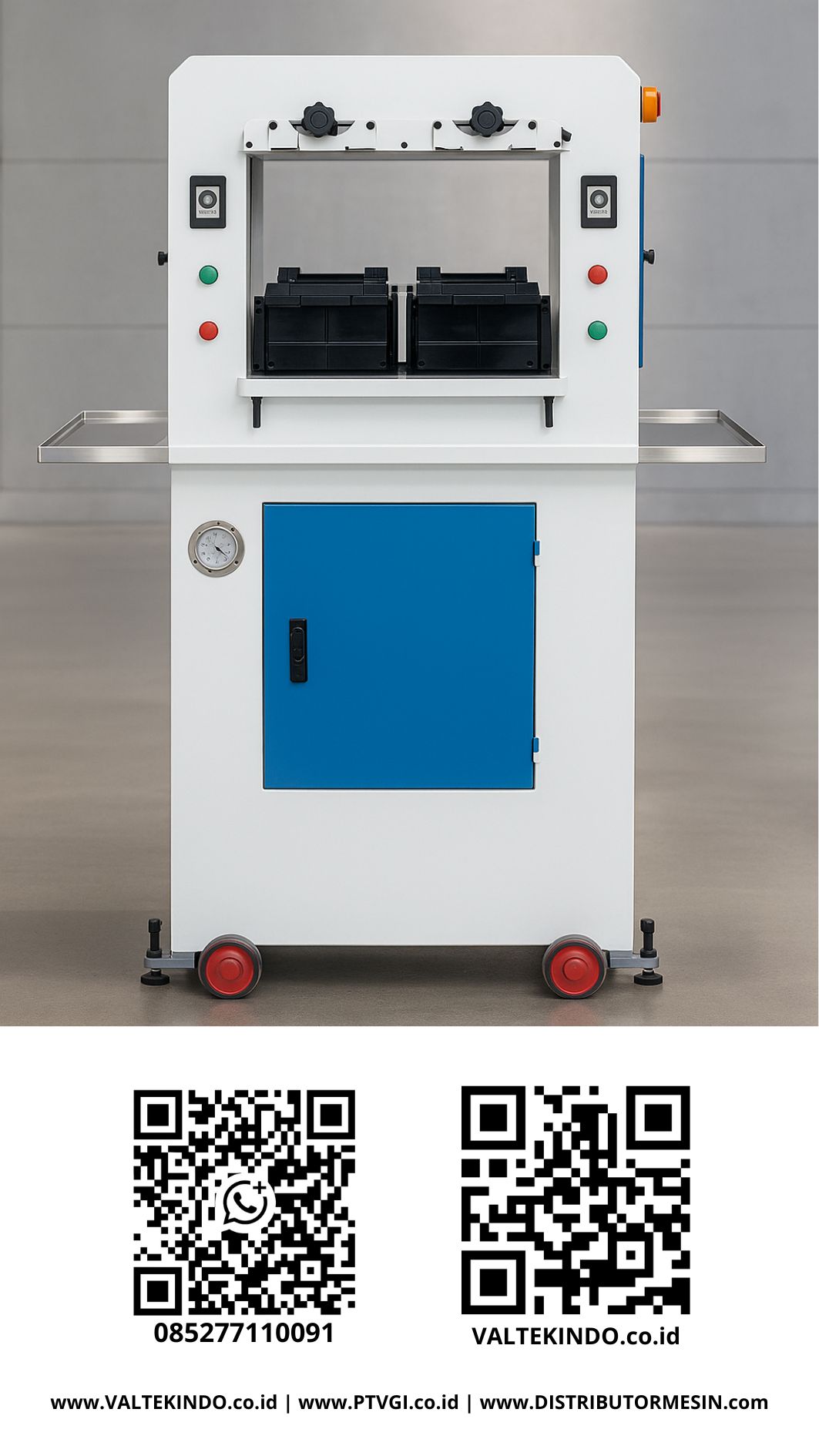
How Rubber Injection Molding Machines Overcome Precision Issues in Shoe Soles?
Suggested Meta Description: In the footwear industry, precision is everything. Discover how modern rubber injection molding technology solves issues of consistency and ergonomic design in shoe soles.
Introduction: Footwear Quality Starts from the Ground Up
In the highly competitive footwear industry, comfort and durability are two of the main factors that determine customer loyalty. A shoe that looks great but hurts to wear will be quickly abandoned. Ironically, the very foundation of a shoe's comfort—the inner sole or insole—is often the greatest technical challenge in mass production.
The primary problem is precision.
For consumers, an imprecise sole means an uncomfortable shoe. The arch may not be properly supported, the heel may feel hard, or the material density might be uneven, causing the shoe to "flatten" or break down quickly. For producers, an imprecise sole is a quality control nightmare: high reject rates, material waste, and a threatened brand reputation.
Traditional production methods often fail to consistently produce soles with a perfect anatomical shape. Imperfect formation, uneven density, and missing details are common problems.
So, how do modern factories overcome this challenge? The answer lies in advanced manufacturing technology, specifically: the Rubber Injection Molding Machine. This article will explore in-depth how this machine, as distributed by PT. Valtekindo Global Intertek, has become the definitive solution for shoe sole precision.
The Eternal Challenge: Achieving Ergonomic Precision
Before discussing the solution, we must understand why insole precision is so difficult to achieve.
A modern shoe sole, especially an insole, is not just a flat piece of material. It is an ergonomic component designed to follow the anatomical contours of the human foot. It has curves, varying thicknesses, and different density levels in specific areas (e.g., softer at the heel, firmer at the arch).
The challenges in mass production are:
- Shape Consistency: How to ensure the first sole and the thousandth sole have identical ergonomic curves?
- Material Density: How to guarantee the rubber material is distributed evenly throughout the mold, with no hollow parts or overly dense spots?
- Sharp Details: How to print anti-slip textures or brand logos with perfect detail every time?
- Human Error: How to reduce operator errors that might affect pressing time or pressure?
Older methods, like die-cutting or simple compression molding, often fail in one or all of these aspects. This is where injection molding technology takes over.
The Technical Solution: A Breakdown of the Rubber Injection Molding Machine (Case Study: Model BD-316C)
Modern rubber injection molding machines are specifically designed to answer the challenge of precision. Let's use the specifications from the BD-316C Precision Technology Rubber Injection Molding Machine as an example of how this technology works.
1. Massive, Controlled Hydraulic Power (Up to 40 Tons)
Precision problems often start with imperfect material distribution. If the pressure is insufficient, the molten rubber material cannot fill every intricate corner of the mold.
- The Machine's Solution: This machine is equipped with an advanced hydraulic system featuring dual oil cylinders and dual mounts. Powered by an efficient 3kW motor, this system can generate massive, adjustable pressure up to 40 tons.
- Why This Matters: This 40-ton force isn't just 'brute force.' It is a calculated pressure that ensures the insole material is instantly and evenly distributed throughout the mold. This extreme pressure "forces" the material to replicate the mold's details down to the micrometer level.
- The End Result: The result is a solid formation effect and sharp details. Common issues like 'uneven density' or trapped air bubbles are completely eliminated. Every sole that comes out has uniform density, providing a sturdy and comfortable foundation.
2. Electric Timing Automation for Absolute Consistency
In manual or semi-automatic production, human error is the primary enemy of consistency. Different operators might hold the pressure for slightly different durations. A split-second difference can change the physical properties and density of the sole.
- The Machine's Solution: The BD-316C machine is equipped with an electric timing feature.
- Why This Matters: This feature automates the molding process. The operator simply sets the ideal formation duration once, and the machine will execute every cycle with absolute temporal precision.
- The End Result: This directly eliminates the human error variable. Product quality no longer depends on operator skill. The factory can guarantee that every insole produced meets an identical quality standard, a crucial factor for fulfilling large-scale orders from major brands.
3. Frame Stability and Mold Flexibility
Precision also depends on machine stability. A machine that vibrates or is not rigid during a high-pressure cycle can cause 'mold shifting,' resulting in a defective product.
- The Machine's Solution: With a net weight of 600 kg, this machine offers exceptional frame stability. This weight acts as a natural damper, minimizing vibrations during high-pressure operations.
- Why This Matters: This stability ensures long-term durability and consistent accuracy. Furthermore, the machine is designed for flexibility. The adjustment process for the upper and lower molds is designed to be extremely easy.
- The End Result: Producers are not locked into one design. They can quickly swap out molds to process various insole models and designs—from running shoes, to casual shoes, to sandals—all on one stable and reliable machine.
The Real-World Impact on the Footwear Business
Implementing a high-precision rubber injection molding machine is not just a technical upgrade; it is a transformative business strategy.
- Lowers Production Costs: By eliminating human error and ensuring perfect formation, the reject rate drops drastically. This means less wasted material and time.
- Improves Product Quality: The ability to consistently produce ergonomic and comfortable soles directly increases the end product's market value.
- Increases Efficiency: Cycle automation means the production time per unit is faster and predictable, allowing factories to meet tighter deadlines.
- Drives Design Innovation: When producers are no longer limited by their machinery, they can experiment with more complex and anatomical sole designs, giving them a competitive edge in the market.
Conclusion: Precision Is Not an Option, It's a Necessity
Returning to the original question: How do rubber injection molding machines overcome precision issues in shoe soles?
The answer is through an intelligent combination of power, control, and automation.
The machine uses massive hydraulic force (up to 40 tons) to ensure the material fills the mold perfectly, combined with electric timing to eliminate human error and guarantee consistency. Supported by a stable frame, this technology transforms the sole production process from one full of variables into a reliable, precision manufacturing process.
In an era where consumers demand perfect comfort, investing in precision sole-molding technology like the BD-316C Rubber Injection Molding Machine is no longer an option—it is a necessity to survive and thrive in the modern footwear industry.
Optimize Your Industry Today!
Achieve production efficiency and the highest quality standards with a trusted industrial machinery provider. Explore our wide selection of premium processing and testing equipment at:
Website : valtekindo.co.id
Wesbite : distributormesin.com
Consult your technical needs with our expert sales team:
WhatsApp 1: +62 852-2211-0091
WhatsApp 2: +62 852-7711-0091

Admin
AuthorAdmin is a writer on the Valtekindo website, providing informative content about High Quality Industrial Machinery and Testing Machines.
Related post:
- Pharmaceutical Factory Production Escalation Strategy: Why Investing in an Automatic Capsule Filling Machine is the Most Crucial Business Decision
- High-Precision Wire Cut EDM Technology in 2026: The Ultimate Solution for Mold Making, Stamping Dies, and Automotive Component Fabrication Without Thermal Distortion
- 2026 Automated Carton Sealer & Erector Investment Guide: End-of-Line Automation Strategies for Industrial Plant Efficiency