Exploring Horizontal Lathe Variants: From Small Scale to Large Capacity Machines for Production Efficiency
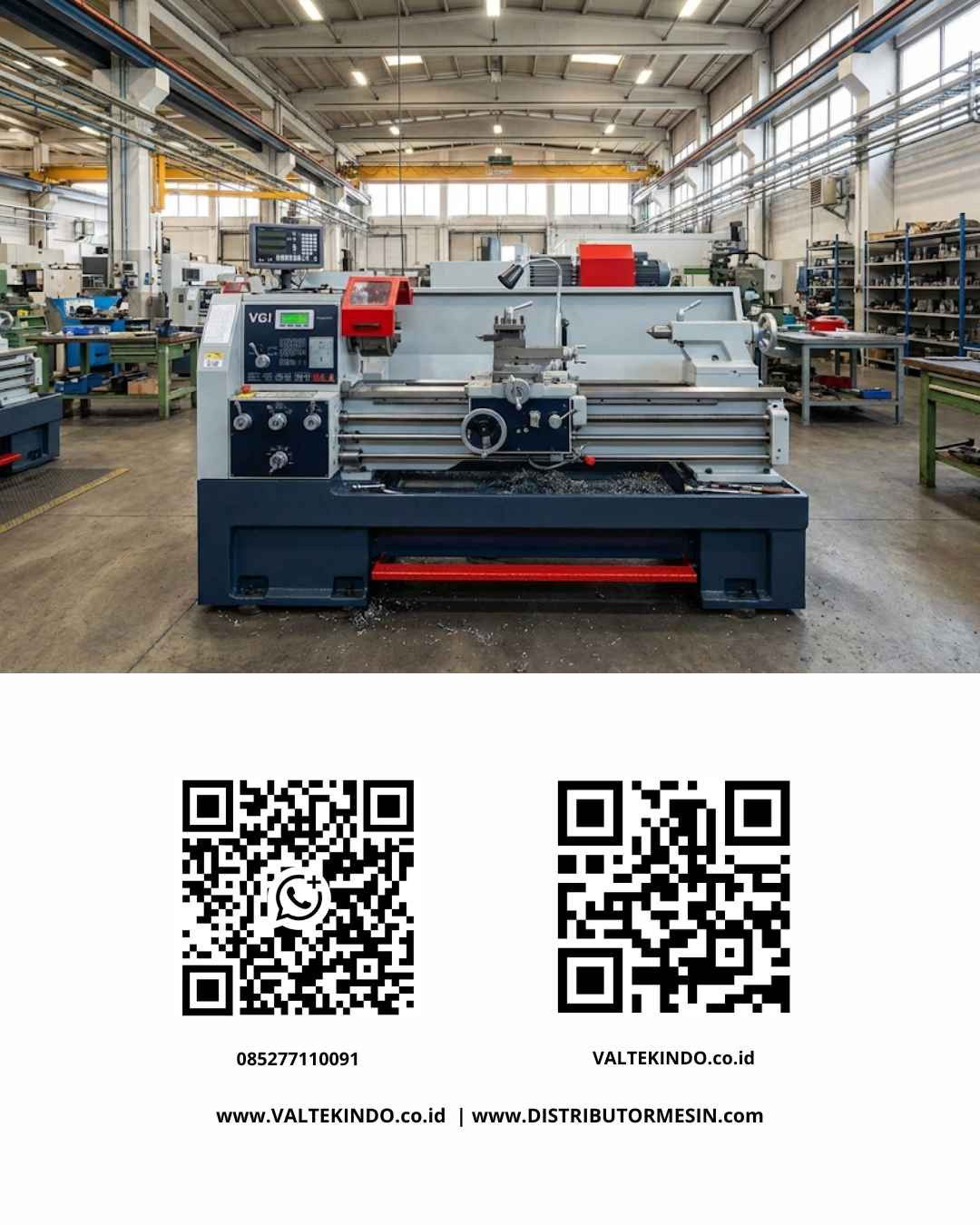
In the vast landscape of metal manufacturing and machining, the lathe machine is often revered as the "mother of all machines." Its fundamental ability to shape cylindrical components by rotating the workpiece against a cutting tool remains unparalleled. Among the various configurations available today, the horizontal lathe stands out as the most ubiquitous and versatile type used globally. From humble repair workshops to massive heavy-industry facilities, understanding the spectrum of these machines—and their specific capacities—is crucial for determining a truly efficient production strategy.
Production efficiency is not solely dependent on the skill of the operator; it relies heavily on selecting the correct machine for the workload. Forcing a small-scale machine to handle heavy components compromises precision and safety, while utilizing a massive heavy-duty lathe for microscopic components results in a significant waste of energy and floor space. This article explores the broad spectrum of horizontal lathes, categorized by scale and capacity, to help industry professionals navigate their options.
1. Light Duty Lathes: Precision on a Micro Scale
At the smallest end of the spectrum, we find the "bench lathe" or light-duty lathe. As the name suggests, these machines are often compact enough to be mounted on a workbench. However, their compact size should not be mistaken for a lack of capability. These machines are engineered for high precision on small workpieces.
Primary applications for this category include the manufacturing of precision instrument components, prototyping, watch repair, and small electronic parts. The main advantage of this variant is its small footprint and low power consumption. For industries focused on microscopic details, the light-duty lathe offers superior tactile feedback and control compared to larger machines, which often have high spindle inertia that makes handling delicate parts difficult.
2. Medium Duty Engine Lathes: The Workshop Workhorse
Moving up the ladder, we encounter the standard engine lathe or medium-duty lathe. This is the archetype most commonly found in general machine shops, vocational schools, and factory maintenance workshops. These machines are designed to balance power and precision.
Medium-duty lathes feature a more robust bed construction, typically made from cast iron that has undergone a seasoning process to prevent deformation over time. The "swing over bed" capacity usually ranges from 300mm to 500mm. Versatility is the key characteristic here; these machines can handle a wide variety of materials, from engineering plastics and aluminum to medium-carbon steels.
In the context of workshop modernization, many industry players are moving away from traditional gear-driven systems. There is a growing trend to adopt variable speed lathe machines to achieve higher operational flexibility. This variable speed technology allows operators to adjust spindle rotation precisely without stopping the machine to shift gears. This capability significantly improves time efficiency and ensures a superior surface finish on the final product, as the optimal cutting speed can be maintained constantly.
3. Heavy Duty Lathes: Raw Power for Heavy Industry
At the far end of the spectrum lies the heavy-duty horizontal lathe. These machines are the giants of the machining world, specifically engineered to handle workpieces weighing several tons. Common applications include machining turbine shafts for power plants, large rolls for the paper or steel industries, and heavy components for oil and gas drilling equipment.
The defining characteristic of this variant is extreme rigidity. The machine bed is exceptionally wide, featuring hardened guideways designed to withstand immense cutting forces without experiencing chatter or vibration. Vibration is the enemy of machining, as it destroys cutting tools and ruins surface quality. Consequently, heavy-duty lathes are equipped with high-horsepower motors and large spindle bores to accommodate long, heavy shafts that extend through the headstock.
Key Factors in Machine Selection
Selecting the right variant requires a careful technical analysis beyond just looking at the price tag. Several parameters define the suitability of a lathe for a specific production line:
- Swing Over Bed: This determines the maximum diameter of the workpiece that can rotate over the bed.
- Distance Between Centers: This dictates the maximum length of the workpiece that can be mounted between the headstock and tailstock.
- Spindle Bore: The diameter of the hole running through the headstock, which is critical for machining long shafts.
- Torque vs. RPM: Small machines prioritize high RPM for small diameters, while large machines prioritize high torque for heavy cutting.
Errors in specifying these parameters often lead to unnecessary downtime or premature machine failure. Therefore, it is highly recommended for production managers or workshop owners to consult with a trusted industrial equipment solution provider who has a proven track record in supply chain reliability. Proper technical support ensures that the machinery investment aligns perfectly with your production output targets.
Conclusion
Exploring horizontal lathe variants from small to large scale demonstrates that no single machine can do it all perfectly. True production efficiency is achieved when the machine's capacity is perfectly aligned with the type of work being performed. Whether you require the micro-precision of a bench lathe, the modern flexibility of a medium lathe with variable speed technology, or the raw power of a heavy-duty unit, understanding these technical specifications is the foundation of manufacturing success.
Optimize Your Industry Today!
Achieve production efficiency and the highest quality standards with a trusted industrial machinery provider. Explore our wide selection of premium processing and testing equipment at:
Website : valtekindo.co.id
Website : distributormesin.com
Consult your technical needs with our expert sales team:
WhatsApp 1: +62 852-2211-0091
WhatsApp 2: +62 852-7711-0091

Admin
AuthorAdmin is a writer on the Valtekindo website, providing informative content about High Quality Industrial Machinery and Testing Machines.
Related post:
- Pharmaceutical Factory Production Escalation Strategy: Why Investing in an Automatic Capsule Filling Machine is the Most Crucial Business Decision
- High-Precision Wire Cut EDM Technology in 2026: The Ultimate Solution for Mold Making, Stamping Dies, and Automotive Component Fabrication Without Thermal Distortion
- 2026 Automated Carton Sealer & Erector Investment Guide: End-of-Line Automation Strategies for Industrial Plant Efficiency