Ensuring Wheat Import Quality: The Vital Role of Standardization and Testing Accuracy in the Flour Milling Industry
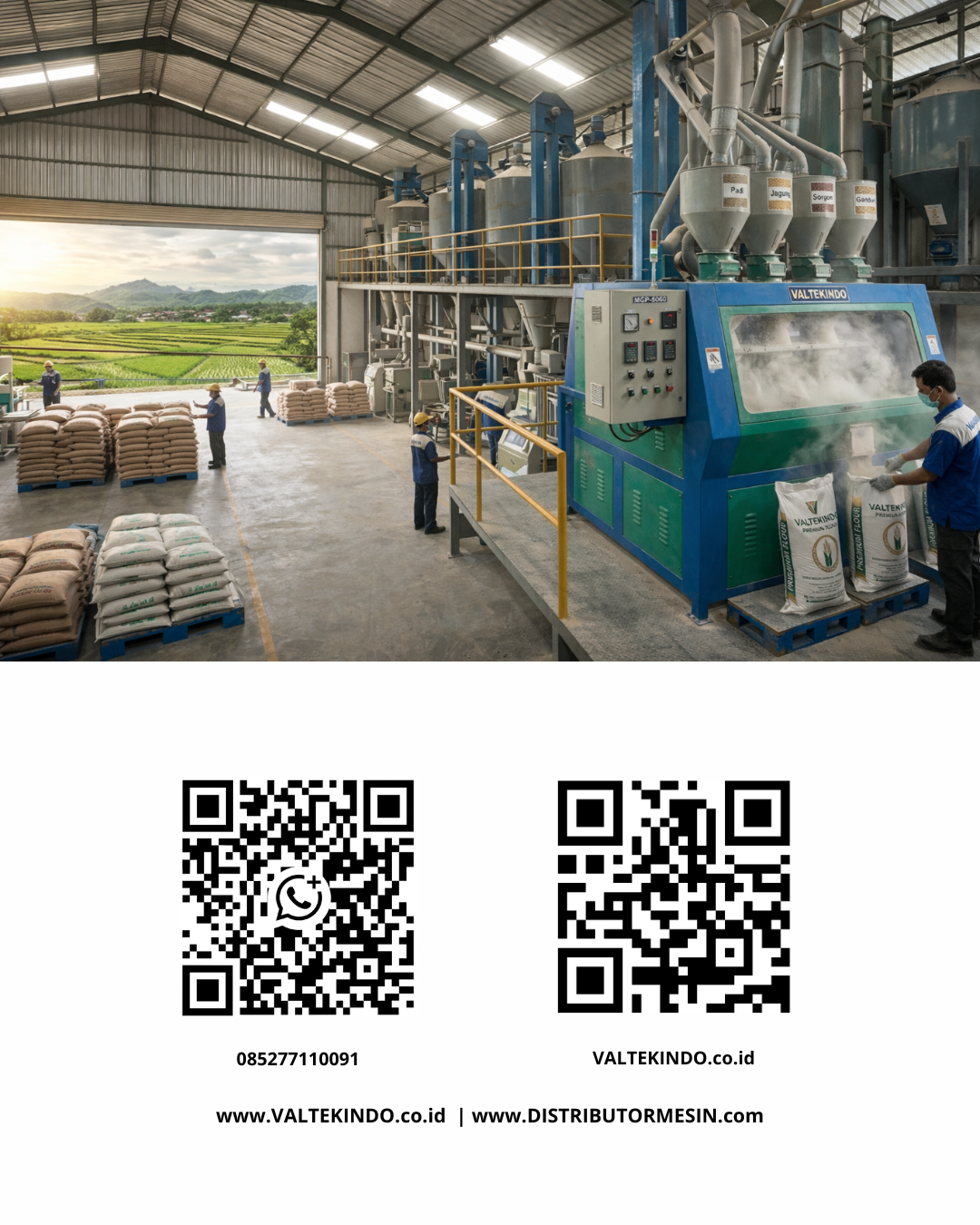
The wheat milling industry plays a crucial role in the global food supply chain. As the primary raw material for bread, noodles, and various snacks, imported wheat must meet stringent quality criteria before entering the production line. This process is far from a mere formality; it is a fundamental step to ensure that the final product maintains consistent texture, taste, and consumption safety. Without accurate testing, the risk of production failure and significant economic losses for industry players increases sharply.
Why Wheat Standardization is Vital
Wheat sourced from various producing countries possesses different characteristics depending on soil conditions, climate, and seed varieties. Standardization serves as a universal language connecting exporters and importers. In the flour processing industry, specific technical parameters are used to classify wheat, such as protein content, gluten strength, and moisture levels.
Accuracy in laboratory testing is the primary key. If the data generated from initial testing is inaccurate, the wheat blending formulation will miss its target. This directly impacts the characteristics of the flour produced. For instance, wheat for bread requires high protein to allow the dough to rise properly, while wheat for biscuits requires different traits. The precision in sorting these raw materials depends heavily on the supporting technology used within the processing facility.
Challenges in Quality Testing for Imports
The journey of wheat from vessels to storage warehouses and finally to the milling machines carries risks of contamination and quality degradation. Therefore, regular sampling and strict laboratory testing are mandatory. Several aspects tested include:
- Moisture Analysis: Excessively high humidity can trigger mold growth and decrease the storage life of the wheat.
- Purity Testing: Ensuring there are no foreign materials such as stones, metals, or other grains mixed in.
- End-Product Quality: Ensuring the wheat is capable of producing uniform flour particles when processed through high-performance wheat grinding machinery.
Effective standardization also encompasses the use of equipment capable of maintaining the nutritional integrity of the wheat during the size reduction process. Tool accuracy and processing efficiency are two sides of the same coin in maintaining competitiveness in the international market.
The Role of Technology in Processing Efficiency
As market demand grows, the industry is pressured to work faster without compromising quality. Technological innovations in automated milling systems allow factories to produce flour with consistent fineness. Utilizing devices with industrial-grade specifications is highly recommended to minimize downtime and ensure every grain is processed optimally.
The integration between meticulous laboratory testing and robust mechanical systems creates a healthy production ecosystem. Businesses that prioritize investment in processing technology tend to penetrate export markets more easily because their products are deemed to meet international standards. Further information regarding the utilization of appropriate industrial technology solutions can be found via this trusted industrial machinery portal.
Conclusion
Maintaining the quality of imported wheat is a significant responsibility that requires a combination of regulatory understanding, standardized testing, and the use of precision supporting devices. By maintaining accuracy at every stage—from the arrival of raw materials to the milling process—the national flour industry can continue to grow and provide food safety guarantees for the wider community.
Optimize Your Industry Today!
Achieve production efficiency and the highest quality standards with a trusted industrial machinery provider. Explore our wide selection of premium processing and testing equipment at:
Website : valtekindo.co.id
Website : distributormesin.com
Consult your technical needs with our expert sales team:
WhatsApp 1: +62 852-2211-0091
WhatsApp 2: +62 852-7711-0091

Admin
AuthorAdmin is a writer on the Valtekindo website, providing informative content about High Quality Industrial Machinery and Testing Machines.
Related post:
- Pharmaceutical Factory Production Escalation Strategy: Why Investing in an Automatic Capsule Filling Machine is the Most Crucial Business Decision
- High-Precision Wire Cut EDM Technology in 2026: The Ultimate Solution for Mold Making, Stamping Dies, and Automotive Component Fabrication Without Thermal Distortion
- 2026 Automated Carton Sealer & Erector Investment Guide: End-of-Line Automation Strategies for Industrial Plant Efficiency