Effective Strategies for Reducing Fuel Consumption in Industrial Heating Systems (Boilers & Kilns)
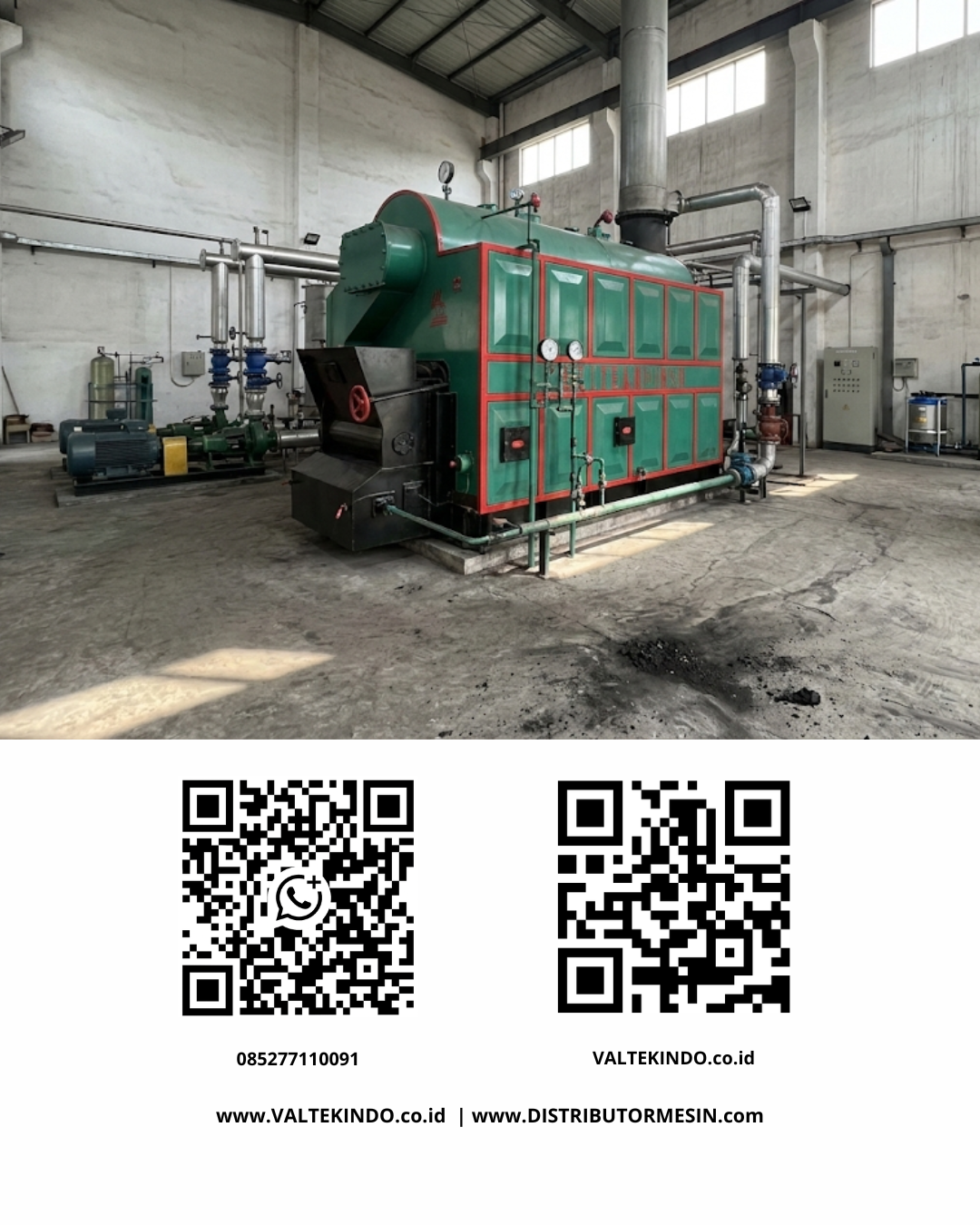
In industrial manufacturing operations, energy costs often constitute the largest portion of Operational Expenditures (OPEX), particularly in facilities utilizing large-capacity heating machinery such as steam boilers and combustion kilns. Fluctuations in fuel prices—whether coal, gas, diesel, or biomass—demand that plant managers and technicians continuously seek methods to enhance thermal efficiency.
Saving fuel is not merely about cutting costs; it is also about extending equipment lifespan and reducing carbon emissions. Below is an in-depth analysis of technical strategies to suppress fuel consumption in industrial heating systems without compromising productivity.
1. Optimizing the Air-to-Fuel Ratio
The primary key to combustion efficiency lies in chemical balance. Perfect combustion requires a precise amount of oxygen. If there is too little air, incomplete combustion occurs, producing soot and carbon monoxide, which represents wasted energy. Conversely, if there is too much excess air, heat energy is absorbed to heat that air and is subsequently lost through the stack (chimney).
Performing periodic burner tuning and monitoring oxygen levels in the flue gas (typically targeting 3-5% for standard boilers) is the most fundamental step to prevent fuel waste, potentially saving 10-15% on consumption.
2. Water Quality Management and Scale Control
In boiler systems, water is the heat transfer medium. Problems arise when feed water quality is poor, leading to the formation of scale inside boiler tubes. Scale acts as an insulator that hinders heat transfer from the fire to the water.
A scale layer as thin as just 1 mm can significantly reduce heat transfer efficiency, forcing the burner to work harder and consume more fuel to reach the target temperature or pressure. Disciplined water treatment is an absolute investment for energy savings.
3. Selecting the Right Combustion Technology
Efficiency relies heavily on the design of the machine itself. Older machines with conventional technology often have limitations in processing solid fuels thoroughly. In the context of modernization, many industries are beginning to switch or compare their unit specifications with the latest technology.
As a technical reference, various modern coal boiler systems have adopted combustion designs with precision-controlled grate mechanisms. This approach allows for a more even distribution of fuel within the combustion chamber, resulting in a more stable combustion process and minimizing unburnt carbon. Understanding combustion design principles like this helps technicians assess the efficiency level of current equipment and determine the need for optimization or unit rejuvenation.
Read Also: 5 Ways to Maintain Steam Boilers to Prevent Damage and Save Operational Costs
4. Waste Heat Recovery
The temperature of the exhaust gas exiting the stack (stack temperature) is a key indicator of efficiency. If the flue gas temperature is too high (e.g., above 200°C), it means a significant amount of heat that should have been absorbed by the boiler is instead being lost to the atmosphere.
Installing an Economizer or Air Preheater can capture heat from this exhaust gas to preheat the feed water before it enters the boiler or to preheat the combustion air. This strategy directly reduces the burner's workload and can drastically lower fuel consumption.
5. Thermal Insulation and Leak Prevention
Often, energy is lost not due to a poor combustion system, but due to radiant heat loss from poorly insulated boiler walls or steam leaks in distribution pipes. Thermal inspection using an infrared camera can detect hot spots on the machine's outer walls, indicating energy loss.
Repairing insulation and addressing even the smallest leaks must be a priority in routine maintenance.
Conclusion
Fuel efficiency in industrial heating machinery is the result of combining the right technology, disciplined operations, and preventive maintenance. By implementing the steps above, companies not only save on fuel purchasing costs but also create a production system that is more stable and sustainable.
Optimize Your Industry Today!
Achieve production efficiency and the highest quality standards with a trusted industrial machinery provider. Explore our wide selection of premium processing and testing equipment at:
Website : valtekindo.co.id
Wesbite : distributormesin.com
Consult your technical needs with our expert sales team:
WhatsApp 1: +62 852-2211-0091
WhatsApp 2: +62 852-7711-0091

Admin
AuthorAdmin is a writer on the Valtekindo website, providing informative content about High Quality Industrial Machinery and Testing Machines.
Related post:
- Pharmaceutical Factory Production Escalation Strategy: Why Investing in an Automatic Capsule Filling Machine is the Most Crucial Business Decision
- High-Precision Wire Cut EDM Technology in 2026: The Ultimate Solution for Mold Making, Stamping Dies, and Automotive Component Fabrication Without Thermal Distortion
- 2026 Automated Carton Sealer & Erector Investment Guide: End-of-Line Automation Strategies for Industrial Plant Efficiency