Comprehensive Guide to Impact Testing: Standards, Methods, and Applications
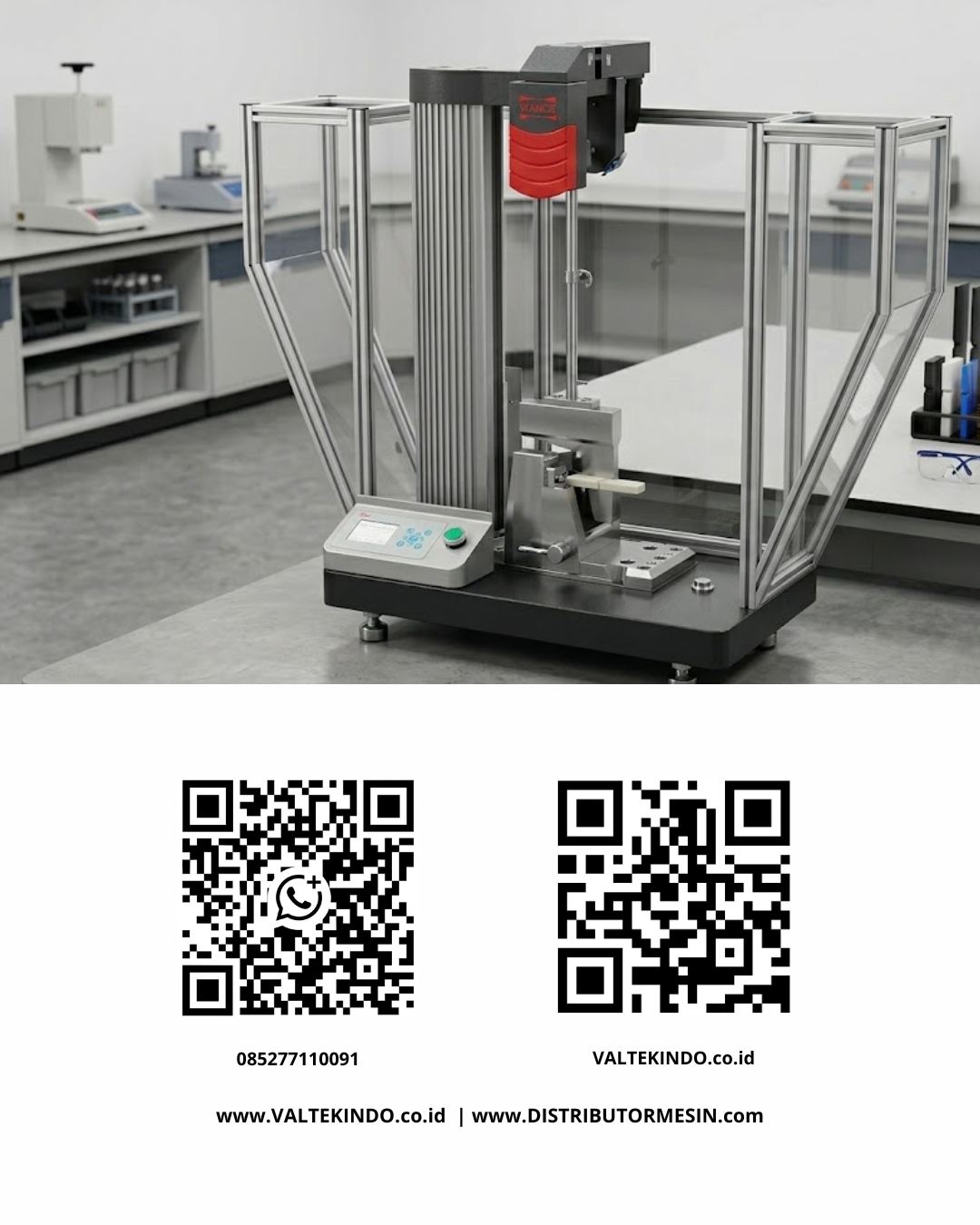
In the realms of manufacturing and construction, understanding a material's strength involves more than just calculating the static load it can support. A far more critical aspect is how that material reacts to sudden shocks or instantaneous impacts. This is where impact testing plays a vital role. This procedure measures the energy absorbed by a substance during a rapid fracture process.
Why is Impact Testing So Critical?
A material might perform exceptionally well in a tensile test, where load is applied slowly. However, that same material can become brittle and fail instantly when subjected to a sudden blow, especially under low-temperature conditions. This phenomenon is often referred to as the ductile-to-brittle transition. Without data from impact testing, the risk of structural failure in bridges, vehicle frames, or gas pipelines increases dramatically, potentially leading to fatal accidents.
Leading Standards and Testing Methods
To ensure consistent results that are comparable on a global scale, industries adhere to rigorous international standards. The two most common methods utilized are:
- Charpy Method (ISO 179 / ASTM E23): This is the most widely used method in the metal and plastic industries. The test specimen is placed horizontally on supports and struck by a pendulum directly behind a prepared notch. The result is measured based on the height difference of the pendulum before and after breaking the specimen.
- Izod Method (ISO 180 / ASTM D256): Unlike the Charpy method, the Izod method clamps the specimen vertically like a cantilever. The pendulum strikes the free end of the specimen. This method is frequently applied to plastics and composite materials to observe resistance to crack propagation.
Accuracy in this process is highly dependent on using the correct instrumentation. To obtain valid results, many laboratories now utilize a pendulum impact testing machine featuring high calibration to minimize margins of error during energy absorption readings.
Factors Influencing Impact Resistance
Several key variables can significantly alter a material’s impact resistance profile:
- Temperature: Most metals experience a sharp decline in toughness at cold temperatures. Therefore, testing is often conducted across various temperature ranges to map the material's transition point.
- The Presence of a Notch: Stress concentration usually begins at sharp corners or surface defects. Artificial notches (V-notch or U-notch) on test specimens help simulate extreme field conditions.
- Loading Rate: The faster the impact is delivered, the greater the tendency for the material to behave in a brittle manner.
Industrial Sector Applications
Toughness testing is applied extensively, from the automotive industry testing the durability of bumpers and door panels during collisions, to the aerospace industry which demands lightweight materials capable of withstanding foreign object debris impacts. Furthermore, the packaging industry performs these tests to ensure products remain safe even if dropped or stacked during distribution.
The integration of technology in these tests continues to evolve. Digital sensors and analysis software allow data to be captured in real-time. For quality control practitioners, further references regarding supporting tool specifications can be found via the catalog on this official industrial machinery provider's page to ensure laboratory standard operating procedures remain optimal.
Conclusion
Impact testing is not merely a formal procedure; it is an investment in long-term safety and quality. By understanding the correct standards and methods, companies can select materials best suited for their products' working environments, reduce warranty claim costs, and most importantly, save lives.
Optimize Your Industry Today!
Achieve production efficiency and the highest quality standards with a trusted industrial machinery provider. Explore our wide selection of premium processing and testing equipment at:
Website : valtekindo.co.id
Website : distributormesin.com
Consult your technical needs with our expert sales team:
WhatsApp 1: +62 852-2211-0091
WhatsApp 2: +62 852-7711-0091

Admin
AuthorAdmin is a writer on the Valtekindo website, providing informative content about High Quality Industrial Machinery and Testing Machines.
Related post:
- Pharmaceutical Factory Production Escalation Strategy: Why Investing in an Automatic Capsule Filling Machine is the Most Crucial Business Decision
- High-Precision Wire Cut EDM Technology in 2026: The Ultimate Solution for Mold Making, Stamping Dies, and Automotive Component Fabrication Without Thermal Distortion
- 2026 Automated Carton Sealer & Erector Investment Guide: End-of-Line Automation Strategies for Industrial Plant Efficiency