Assessing the Effectiveness of Trade Safeguard Policies for the Sustainability of Local Textile Factories
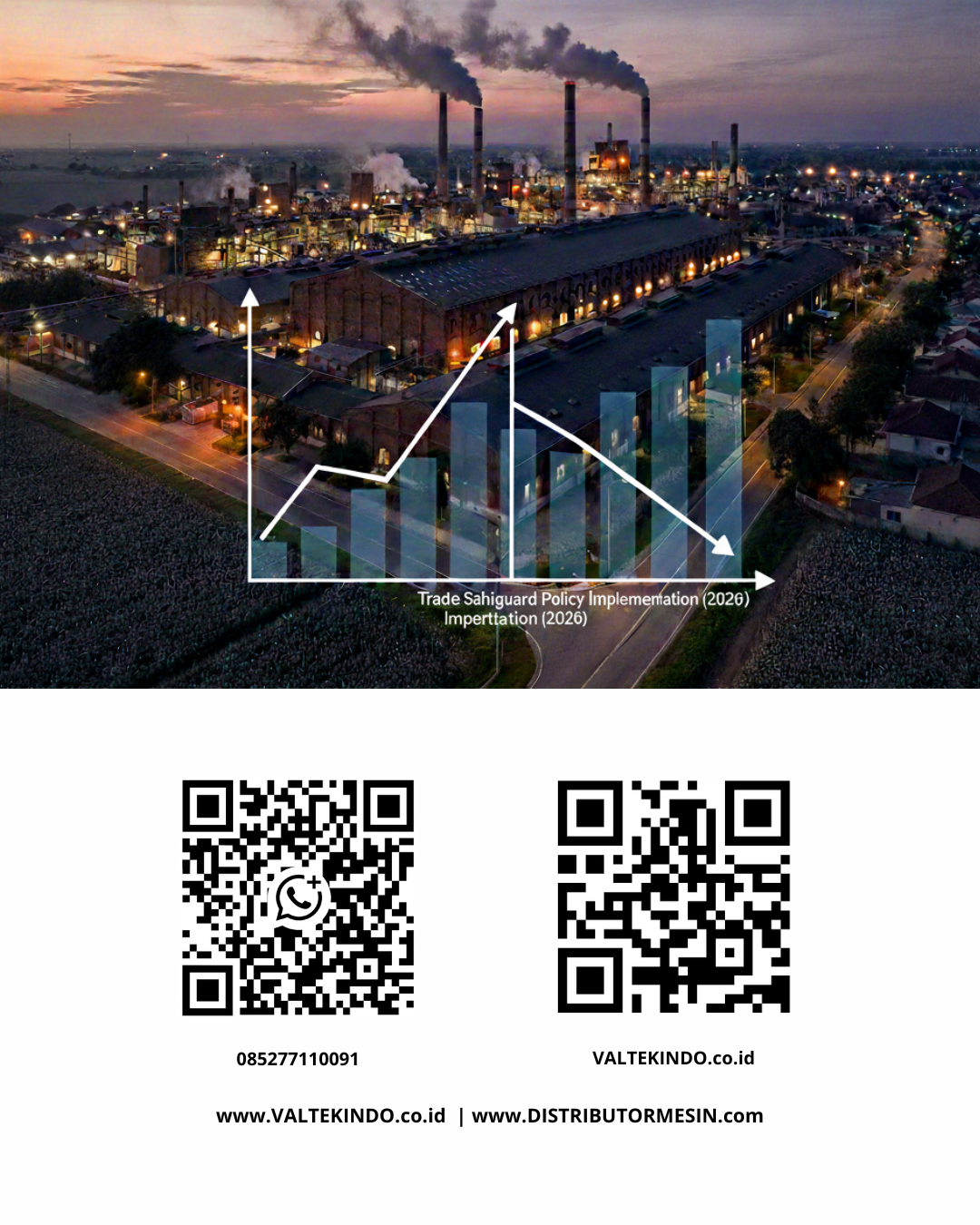
The Textile and Textile Products (TPT) industry stands as a cornerstone of Indonesia’s manufacturing sector, contributing significantly to the national GDP and providing employment for millions. However, in recent years, this industry has faced immense pressure due to an influx of imported goods offered at highly competitive prices. To protect the domestic industrial ecosystem, the government has implemented various trade safeguard measures, often referred to as trade remedies.
To what extent do these policies effectively guarantee the survival of local textile factories? This article explores the dynamics of these regulations and the supporting factors necessary for the industry to remain competitive on a global scale.
Trade Safeguard Instruments: A Shield for Local Industry
Trade safeguard policies primarily take the form of Safeguard Measures (BMTP) and Anti-Dumping Duties (BMAD). These instruments are specifically designed to remediate serious injury or the threat of injury to domestic industries caused by a sudden surge in imports.
For local textile factories, these policies provide much-needed "breathing room." By imposing additional import duties on foreign goods, local products become more price-competitive within the domestic market. This shift is expected to improve the capacity utilization of factories that may have seen a decline, thereby minimizing the risk of mass layoffs and maintaining industrial stability.
Challenges to Field Effectiveness
While these policies are theoretically beneficial, their practical effectiveness often encounters several obstacles:
- Illegal Import Practices: High tariffs lose their impact if illegal entry points and the trade of prohibited second-hand clothing (thrifting) are not strictly monitored and penalized.
- Raw Material Dependency: Many downstream textile factories still rely on imported raw materials. Safeguard policies applied to the upstream sector can sometimes inadvertently increase production costs for downstream manufacturers.
- Regulatory Response Speed: The investigation process required to establish a safeguard can be lengthy, whereas market pressures and financial losses occur almost instantaneously.
Toward Independence and Product Quality
For trade safeguard policies to yield long-term benefits, local textile factories cannot rely solely on tariff protection. Industrial transformation toward high efficiency is an absolute necessity. A crucial step in this journey is ensuring that production outputs meet rigorous international quality standards.
Strengthening quality control within internal laboratories is a highly valuable investment. Factories capable of presenting accurate testing data find it easier to penetrate export markets and win the trust of local consumers. In this regard, utilizing comprehensive textile testing solutions greatly assists companies in maintaining production accuracy and efficiency. With the right testing technology, factories can reduce defect rates and enhance the overall competitiveness of their goods.
The Importance of Modernizing Machinery and Technology
Beyond regulatory support, the modernization of machinery remains a primary key to success. Adopting the latest technologies—which are often more energy-efficient and capable of optimizing raw material usage—will significantly lower operational costs. The effectiveness of government policies is maximized only when accompanied by a willingness from industry players to upgrade their infrastructure.
To support operational sustainability, the availability of spare parts and after-sales service from trusted industrial equipment providers is a supporting factor that should not be overlooked. A synergy between legal protection from the state and technological readiness from the private sector will create a resilient and formidable textile industry.
Conclusion
Trade safeguard policies are vital tools for protecting the local textile industry from unfair competition. However, these policies represent only one side of the coin. The other side consists of innovation, quality standardization, and production efficiency, which must be continuously advanced by factory owners. Through a combination of well-targeted protection and technological modernization, the Indonesian textile industry has a significant opportunity to thrive both at home and on the international stage.
Optimize Your Industry Today!
Achieve production efficiency and the highest quality standards with a trusted industrial machinery provider. Explore our wide selection of premium processing and testing equipment at:
Website : valtekindo.co.id
Website : distributormesin.com
Consult your technical needs with our expert sales team:
WhatsApp 1: +62 852-2211-0091
WhatsApp 2: +62 852-7711-0091

Admin
AuthorAdmin is a writer on the Valtekindo website, providing informative content about High Quality Industrial Machinery and Testing Machines.
Related post:
- Pharmaceutical Factory Production Escalation Strategy: Why Investing in an Automatic Capsule Filling Machine is the Most Crucial Business Decision
- High-Precision Wire Cut EDM Technology in 2026: The Ultimate Solution for Mold Making, Stamping Dies, and Automotive Component Fabrication Without Thermal Distortion
- 2026 Automated Carton Sealer & Erector Investment Guide: End-of-Line Automation Strategies for Industrial Plant Efficiency