Accurate Methods for Measuring Fabric Moisture Management for High Quality Standards
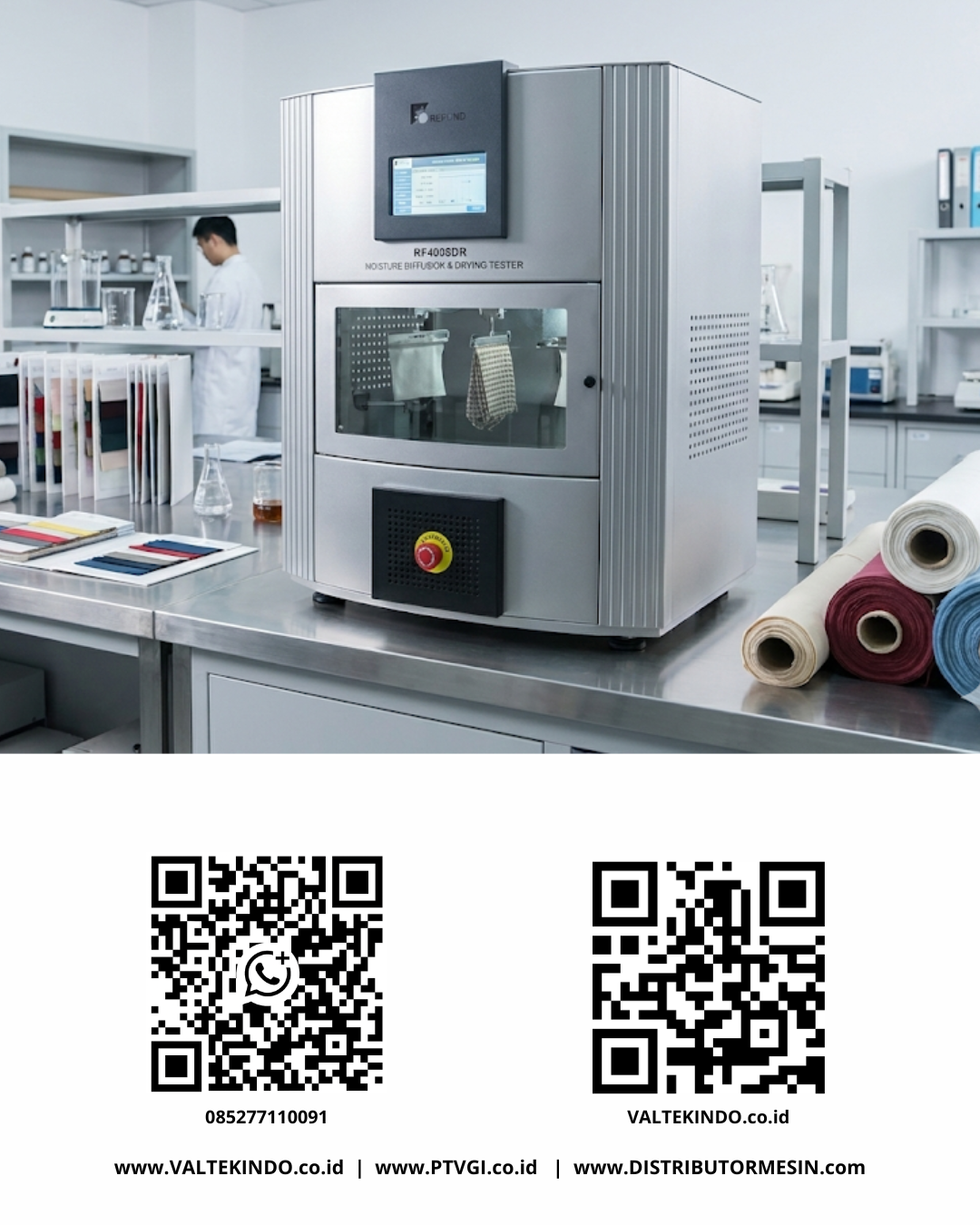
In the modern textile industry, fabric functionality has shifted from mere coverage to high-performance engineering. One of the most critical factors determining user comfort—especially in sportswear, tactical gear, and medical textiles—is moisture management. The ability of a fabric to effectively manage the transport of perspiration from the skin's surface to the external environment is a primary indicator of premium quality.
Why Moisture Management is Crucial
Moisture management is a dynamic characteristic of textiles involving the multidimensional transport of liquid (sweat). High-quality fabrics must be able to absorb liquid quickly, transport it to the outer layer, and spread it over a wide area to accelerate evaporation.
Without an efficient management system, moisture becomes trapped between the skin and the fabric, leading to increased body temperature, thermal discomfort, and risks of skin irritation. Consequently, global textile manufacturers are moving toward more precise measurement methods rather than subjective manual drop tests. To achieve this efficiency, integrating comprehensive material testing systems into internal laboratories has become a mandatory standard for companies aiming to compete in the international export market.
Key Parameters in Moisture Management Evaluation
To accurately measure fabric performance, several technical parameters must be evaluated simultaneously. Modern testing methods typically categorize assessments into the following:
- Wetting Time: Measures the time in seconds required for both the inner surface (skin-facing) and the outer surface of the fabric to begin absorbing liquid.
- Absorption Rate: Calculates the average speed of liquid absorption over a specific period.
- Maximum Wetting Radius: Determines how far the liquid spreads on the fabric surface. A larger radius indicates a greater surface area available for the evaporation process.
- Spreading Speed: Measures the velocity at which the liquid moves from the center point to the outer edge of the wetting radius.
- One-way Transport Index (OWTI): This is the most vital parameter. It indicates the fabric's ability to move liquid in one direction only—from the inside to the outside—ensuring the skin surface remains dry.
The AATCC 195 International Standard
In the world of textile testing, the AATCC 195 (Liquid Moisture Management Properties of Textile Fabrics) standard is recognized as the most accurate method. This method does not just observe whether a fabric can absorb water; it analyzes how the fabric responds to liquid dynamically on both sides simultaneously.
The test involves the use of capacitive sensors placed above and below the fabric sample. A conductive solution (simulating human sweat) is dropped onto the top surface, and the sensors record changes in electrical conductivity in real-time. The resulting data is processed through algorithms to produce a detailed moisture management profile. Utilizing highly accurate fabric absorption and quick-drying testers is crucial during this stage to minimize human error and ensure the data produced is valid and repeatable.
Advantages of Dynamic Testing Over Traditional Methods
Traditional methods, such as vertical wicking tests, often provide an incomplete picture because they only measure liquid movement in one direction (upward). Conversely, dynamic moisture management testing provides a 360-degree view of how a fabric behaves when actively worn by a human.
With accurate data, Research and Development (R&D) teams can modify weave structures, fiber compositions, or specific chemical finishes to achieve optimal comfort levels. The end result is a product with higher market value and longer-lasting functional durability, meeting the expectations of high-end consumers.
Conclusion
Accuracy in measuring moisture management is the bridge between textile innovation and consumer satisfaction. By adopting international standards and the latest sensor technology, manufacturers can ensure that every yard of fabric produced has undergone rigorous quality control. Investing in the right testing methods is not just about compliance; it is about building a brand reputation as a leader in textile quality and performance.
Optimize Your Industry Today!
Achieve production efficiency and the highest quality standards with a trusted industrial machinery provider. Explore our wide selection of premium processing and testing equipment at:
Website : valtekindo.co.id
Website : distributormesin.com
Consult your technical needs with our expert sales team:
WhatsApp 1: +62 852-2211-0091
WhatsApp 2: +62 852-7711-0091

Admin
AuthorAdmin is a writer on the Valtekindo website, providing informative content about High Quality Industrial Machinery and Testing Machines.
Related post:
- Pharmaceutical Factory Production Escalation Strategy: Why Investing in an Automatic Capsule Filling Machine is the Most Crucial Business Decision
- High-Precision Wire Cut EDM Technology in 2026: The Ultimate Solution for Mold Making, Stamping Dies, and Automotive Component Fabrication Without Thermal Distortion
- 2026 Automated Carton Sealer & Erector Investment Guide: End-of-Line Automation Strategies for Industrial Plant Efficiency