A Beginner’s Guide to Understanding Technical Specifications of Plastic Sheet Making Machines
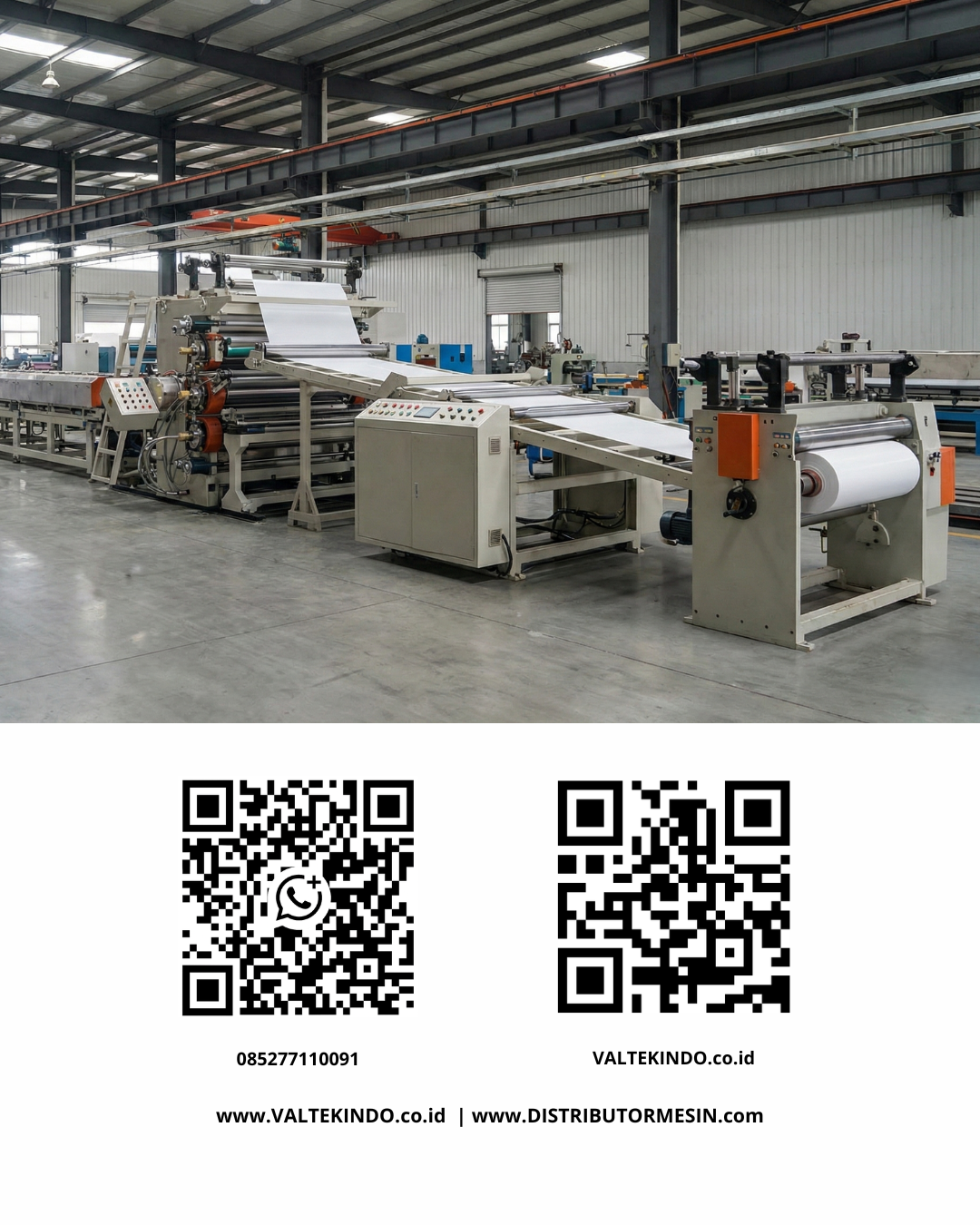
In the vast landscape of the packaging manufacturing industry, plastic sheets serve as the fundamental raw material. These sheets are the precursor to a myriad of daily products, ranging from mineral water cups and disposable food containers to specialized trays for electronic components. For entrepreneurs aspiring to enter this sector, grasping the operational mechanics and technical specifications of production equipment is the first and most critical step. Investing in the wrong machinery due to a lack of technical insight can lead to production inefficiencies and bloated operational costs.
This article aims to dissect the key technical aspects you need to consider when evaluating a sheet extruder, avoiding aggressive sales pitches to focus entirely on technical education.
The Basic Principle of Sheet Extrusion
To understand the specs, one must first understand the process. Simply put, the machine works by melting plastic resin (pellets) through a process involving heating and friction within a barrel equipped with a rotating screw. The molten plastic is then pushed out through a flat mold (T-die) to form a sheet, which is subsequently cooled and polished by a series of rollers known as calendering rolls.
The quality of the resulting sheet relies heavily on temperature stability, pressure consistency, and screw speed. Therefore, reading a machine’s specification sheet is not just about looking at total capacity, but understanding the components that drive it.
Key Components in Machine Specifications
When you review the technical datasheet of a plastic sheet making machine, there are several crucial parameters that demand your attention:
1. Screw L/D Ratio
This refers to the ratio between the Length (L) and the Diameter (D) of the screw. For processing common plastics like PP (Polypropylene) or PS (Polystyrene), a standard L/D ratio typically ranges from 28:1 to 33:1. A higher ratio generally offers better mixing capabilities and plastification, resulting in a more homogenous melt, which is essential for consistent sheet thickness.
2. Sheet Width and Thickness Range
These specifications define your potential market. Standard machines are usually capable of producing sheets with widths between 600mm and 800mm, with a thickness range of 0.2mm to 2.0mm. Ensure that the die head specifications are adjustable to accommodate the various product thicknesses you intend to manufacture.
Read Also: Overcoming Common Problems in Plastic Crusher Machines: Complete Solutions for Vibration and Noise
3. Cooling System (Calender Rolls)
Once the plastic exits the die, it must be cooled immediately to set its shape. The specification of the cooling roll diameter is vital. Rolls with larger diameters provide a larger contact area, making the cooling process more efficient. This allows the machine to run at higher production speeds without compromising the surface quality of the sheet.
Material Compatibility and Energy Efficiency
Not all machines are designed to handle every type of plastic. Some extruders are specialized for HIPS (High Impact Polystyrene), while others are optimized for PP or PE. For beginners, it is often consistent to choose a machine that offers high flexibility or one that is specifically designed for the materials most in demand in your local market.
Furthermore, pay close attention to the total installed power. In modern manufacturing, energy efficiency is a key determinant of profit margins. Advanced heating technologies and efficient drive motors (such as those utilizing inverters) can significantly reduce electricity costs over the long term.
Conclusion
Starting a business in plastic packaging production requires diligence in selecting production assets. Do not be swayed solely by a low initial price; instead, calculate the technical specifications that guarantee durability and consistent product output. Conducting deep research and consulting with credible technology providers is highly recommended.
To broaden your knowledge of manufacturing technology and industrial machinery selection, it is advisable to study various technical references and compare specifications from several equipment providers. A thorough understanding of technical specifications is an important investment before the machine begins operating.
Optimize Your Industry Today!
Achieve production efficiency and the highest quality standards with a trusted industrial machinery provider. Explore our wide selection of premium processing and testing equipment at:
Website : valtekindo.co.id
Wesbite : distributormesin.com
Consult your technical needs with our expert sales team:
WhatsApp 1: +62 852-2211-0091
WhatsApp 2: +62 852-7711-0091

Admin
AuthorAdmin is a writer on the Valtekindo website, providing informative content about High Quality Industrial Machinery and Testing Machines.
Related post:
- Pharmaceutical Factory Production Escalation Strategy: Why Investing in an Automatic Capsule Filling Machine is the Most Crucial Business Decision
- High-Precision Wire Cut EDM Technology in 2026: The Ultimate Solution for Mold Making, Stamping Dies, and Automotive Component Fabrication Without Thermal Distortion
- 2026 Automated Carton Sealer & Erector Investment Guide: End-of-Line Automation Strategies for Industrial Plant Efficiency