Why Dimensional Stability is a Critical Parameter in Fabric Quality Control
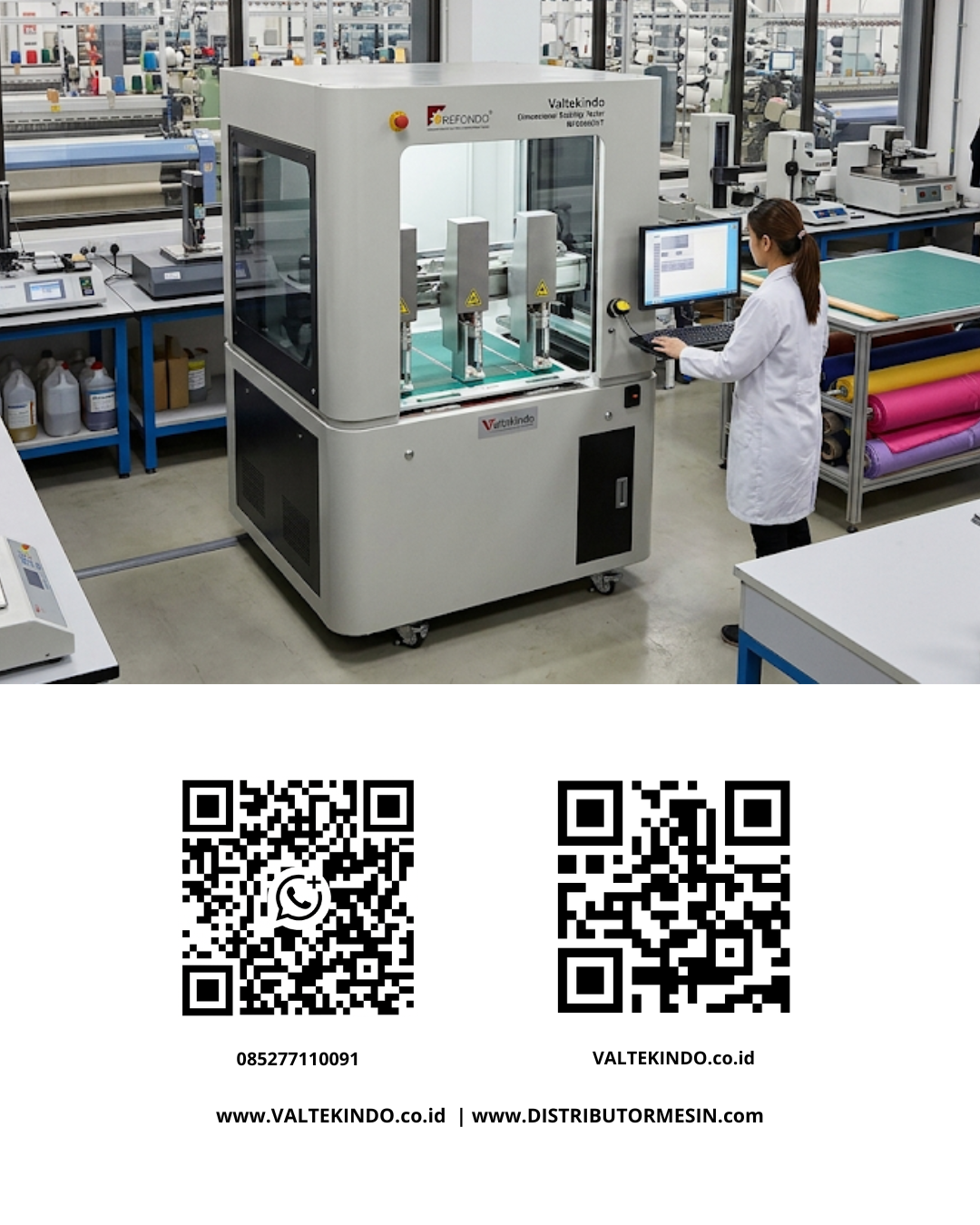
In the increasingly competitive global textile industry, the quality of a finished product is determined by more than just color aesthetics or surface softness. One of the most crucial performance indicators, yet often overlooked by the average consumer, is dimensional stability. This parameter refers to the ability of a fabric to maintain its original size and shape after undergoing various processes, particularly washing, drying, or exposure to heat during manufacturing.
Understanding the Concept of Dimensional Stability
Dimensional stability is a measure of the percentage change in the linear dimensions of a fabric (length and width) when subjected to specific environmental conditions. Technically, this change is commonly known as shrinkage. However, in some cases, fabrics can also experience growth or elongation, which is equally problematic for garment fit and structural integrity.
When a fabric lacks stability, the resulting garments may become distorted, seams may pucker, and the overall sizing can shift dramatically after just one laundry cycle. For manufacturers, failing to control this parameter leads to high rejection rates, customer complaints, and a damaged brand reputation.
Factors Influencing Dimensional Change
Several variables contribute to how much a fabric will shrink or expand:
- Fiber Composition: Natural fibers like cotton and wool are generally more prone to shrinkage due to their moisture absorption properties, whereas synthetic fibers like polyester tend to be more stable.
- Yarn Structure: The twist level and tension applied during spinning affect how the fibers react to moisture and heat.
- Fabric Construction: Knitted fabrics usually have lower dimensional stability compared to woven fabrics because their looped structure is more elastic and susceptible to deformation.
- Finishing Processes: Mechanical and chemical treatments, such as mercerization or heat-setting, are designed to "lock" the fibers in place to minimize future movement.
The Role of Testing in Quality Assurance
To ensure that textiles meet international standards, rigorous testing is mandatory. This process involves simulating real-world usage through standardized washing and drying cycles. By measuring the fabric before and after these cycles, technicians can calculate the exact percentage of dimensional change.
Modern production facilities now utilize advanced technology to streamline this process. For instance, implementing a dimensional stability tester for automatic and accurate fabric measurement allows quality control teams to obtain precise data without the risk of human error. This data is essential for designers to adjust patterns accordingly—if a fabric is known to shrink by 3%, the pattern can be cut 3% larger to ensure the final garment fits perfectly after the first wash.
Impact on Global Trade and Sustainability
Dimensional stability is not just a technical requirement; it is a legal and economic one. Major retailers have strict tolerance levels (often between 2% to 3%) for shrinkage. Products that fall outside these limits cannot be sold in premium markets.
Furthermore, dimensional stability plays a significant role in sustainability. A garment that retains its shape lasts longer, reducing the "fast fashion" cycle of disposal and replacement. By investing in high-quality industrial testing solutions, manufacturers contribute to a more circular economy where products are built to endure.
Conclusion
In summary, dimensional stability is a fundamental pillar of textile engineering. It bridges the gap between a designer’s vision and the consumer’s long-term satisfaction. By prioritizing this parameter through meticulous testing and the use of specialized equipment, textile producers can ensure their products remain consistent, reliable, and competitive in the global marketplace.
Optimize Your Industry Today!
Achieve production efficiency and the highest quality standards with a trusted industrial machinery provider. Explore our wide selection of premium processing and testing equipment at:
Website : valtekindo.co.id
Wesbite : distributormesin.com
Consult your technical needs with our expert sales team:
WhatsApp 1: +62 852-2211-0091
WhatsApp 2: +62 852-7711-0091

Admin
AuthorAdmin is a writer on the Valtekindo website, providing informative content about High Quality Industrial Machinery and Testing Machines.
Related post:
- Pharmaceutical Factory Production Escalation Strategy: Why Investing in an Automatic Capsule Filling Machine is the Most Crucial Business Decision
- High-Precision Wire Cut EDM Technology in 2026: The Ultimate Solution for Mold Making, Stamping Dies, and Automotive Component Fabrication Without Thermal Distortion
- 2026 Automated Carton Sealer & Erector Investment Guide: End-of-Line Automation Strategies for Industrial Plant Efficiency