Waste Treatment Technology: Understanding Integrated Combustion Systems in Incinerators
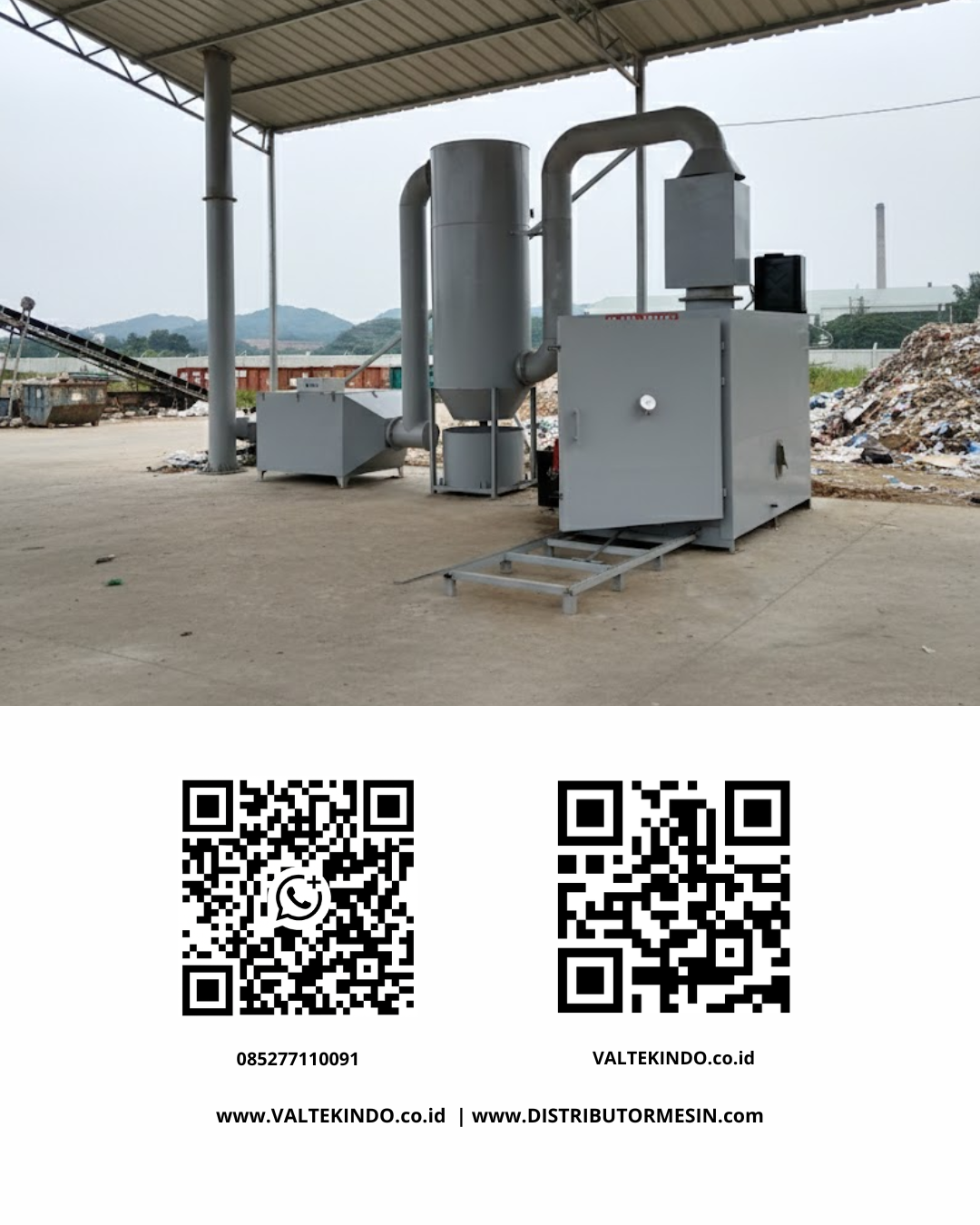
The growth of industry and population density brings a logical consequence: an increase in waste volume. If not managed properly, waste—especially Medical and B3 (Hazardous and Toxic) categories—can damage ecosystems and threaten public health. One of the most effective technological solutions available today is treatment through an integrated combustion system using an incinerator.
What is an Integrated Combustion System?
An integrated combustion system, or incineration, is a thermal process involving the combustion of organic substances contained in waste materials at very high temperatures. Unlike open burning, this system takes place within a controlled, closed chamber where parameters such as temperature, residence time, and oxygen supply are precisely regulated to ensure complete waste destruction.
The primary goal of this technology is not merely to dispose of trash, but to achieve a significant reduction in waste volume—by up to 90-95%—and convert hazardous materials into stable (inert) ash residue.
How Modern Incinerators Work
Modern incinerators typically utilize a dual chamber system to ensure that emissions released into the environment remain safe. The process consists of several stages:
- Primary Chamber: Waste is introduced into this chamber to be burned at temperatures ranging from $600°C$ to $800°C$. Here, solid waste is converted into gases and ash.
- Secondary Chamber: The flue gases from the first chamber are channeled into a second chamber. Here, the gases are re-burned at even higher temperatures, usually exceeding $1,000°C$. This process is designed to destroy complex harmful compounds such as dioxins and furans.
- Air Pollution Control System: Before being released through the stack, the residual gas passes through filters or scrubbers to remove particulates and neutralize acidic gases.
With this mechanism, a high-quality incinerator machine becomes a crucial asset for hospitals and manufacturing industries in meeting strict environmental regulations.
Advantages of Using Incineration Technology
Adopting integrated combustion technology provides various strategic benefits for waste managers:
- Total Sterilization: High heat ensures that all microorganisms, bacteria, and viruses in medical waste are completely eradicated.
- Land Efficiency: Compared to landfilling methods which require vast areas, incinerators require a relatively small footprint while being able to process large volumes of waste.
- Independent Waste Management: Industries can treat their waste on-site, reducing the cost of transporting hazardous materials to third parties and minimizing the risk of leaks during transit.
- Waste-to-Energy: Some advanced models allow the heat generated from combustion to be converted into electricity or steam for other operational needs.
The Importance of Choosing the Right Technology
Not all combustion units are created equal. Treatment effectiveness depends heavily on the technical design and the materials used to build the machine. Choosing a unit with high combustion efficiency and a reliable emission filtration system is a long-term investment in environmental sustainability.
For entities looking to improve sanitation standards and environmental compliance, understanding technical specifications is vital. You can learn more about technical standards and capacity variations through references regarding waste treatment technology that complies with government regulations.
Optimize Your Industry Today!
Achieve production efficiency and the highest quality standards with a trusted industrial machinery provider. Explore our wide selection of premium processing and testing equipment at:
Website : valtekindo.co.id
Website : distributormesin.com
Consult your technical needs with our expert sales team:
WhatsApp 1: +62 852-2211-0091
WhatsApp 2: +62 852-7711-0091

Admin
AuthorAdmin is a writer on the Valtekindo website, providing informative content about High Quality Industrial Machinery and Testing Machines.
Related post:
- Pharmaceutical Factory Production Escalation Strategy: Why Investing in an Automatic Capsule Filling Machine is the Most Crucial Business Decision
- High-Precision Wire Cut EDM Technology in 2026: The Ultimate Solution for Mold Making, Stamping Dies, and Automotive Component Fabrication Without Thermal Distortion
- 2026 Automated Carton Sealer & Erector Investment Guide: End-of-Line Automation Strategies for Industrial Plant Efficiency