Understanding Winding Machines: Definition, Components, and Working Principles in the Motor & Electronics Industry
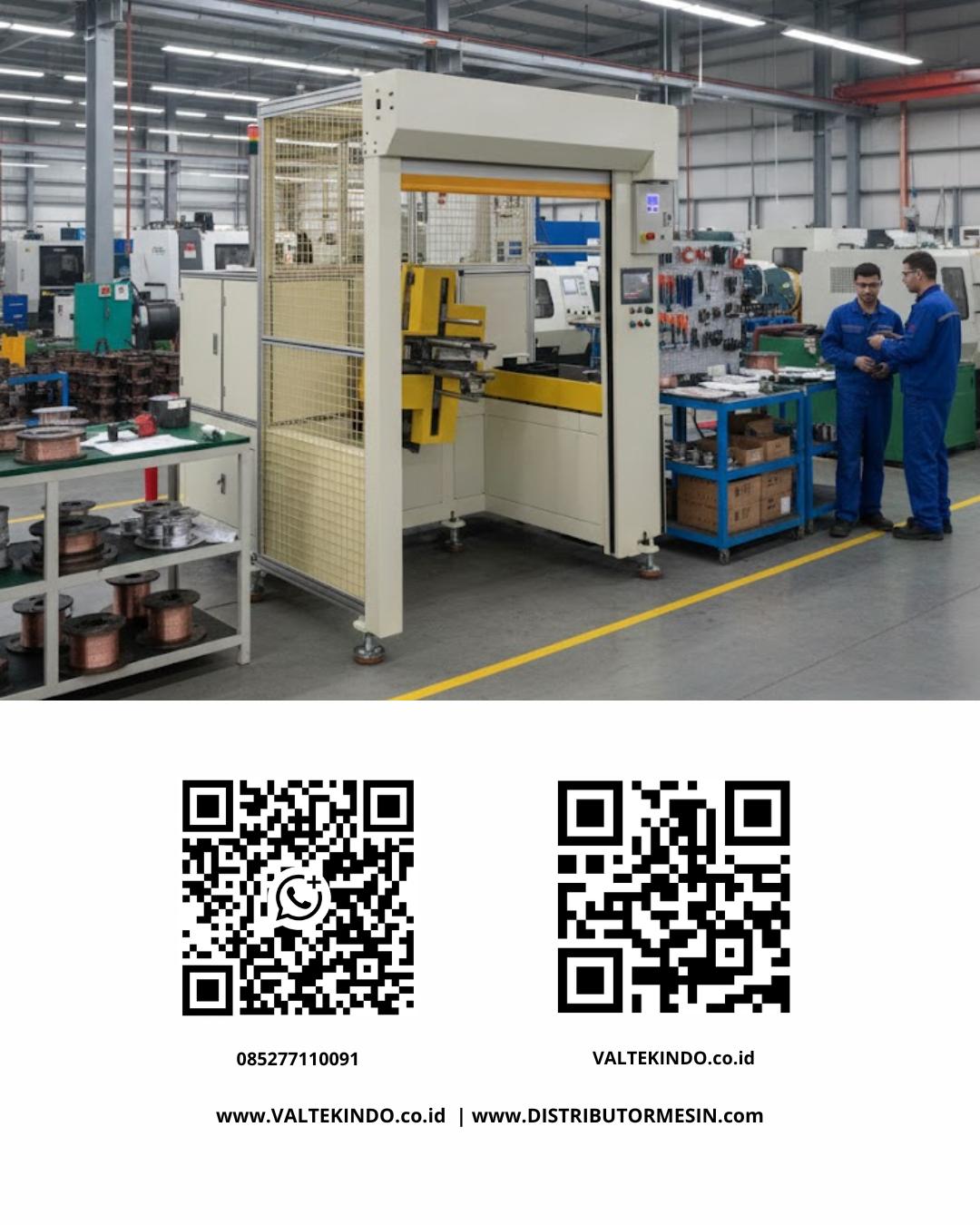
In the world of electrical component manufacturing, precision is the ultimate benchmark. One of the most critical processes in producing electric motors, transformers, and various electronic devices is wire winding. The quality of these coils directly dictates the energy efficiency and overall performance of the device. This is where the winding machine plays a vital role as a modern automation solution.
What is a Winding Machine?
In simple terms, a winding machine is a mechanical device designed to wrap flexible material—most commonly copper or aluminum wire—around a specific core, such as a bobbin or armature. The primary goal of this process is to create electromagnetic coils that generate a magnetic field when energized.
Historically, this process was done manually. However, the industrial demand for high speed and extreme accuracy led to the development of sophisticated automated systems. Modern automated machines are now capable of controlling the number of turns, wire tension, and winding density with incredibly low tolerance levels, effectively minimizing the risk of short circuits or mechanical failure.
Core Components of a Winding Machine
To produce a perfect coil, a winding machine relies on several core components that work in seamless integration:
- Drive Motor: The heart of the machine that determines the spindle's rotation speed. These motors are usually equipped with variable controls to adjust the speed according to the wire type.
- Spindle: The part that holds the bobbin or the mold where the wire is wrapped. The rotational accuracy of the spindle determines the consistency of the lilitan (turns).
- Tension Control System: This component ensures the wire remains taut without snapping. Consistent tension prevents loose windings, which could otherwise reduce induction efficiency.
- Wire Guide: A lateral arm that moves back and forth to ensure the wire is layered neatly across the width of the spindle.
- Controller (PLC/CNC): The "brain" of the machine, programmed to determine the automatic turn count, winding patterns, and precise stopping points.
How Winding Machines Work in the Industry
The workflow begins by feeding the wire through the tensioner system. Using a digital interface, the operator sets parameters such as wire diameter, number of turns, and rotation speed. As the spindle rotates, the wire guide moves in synchronization to lay the wire perfectly side-by-side.
In the electric motor industry, efficiency often depends on how much copper wire can be packed into a limited space (slot). Utilizing an automatic wire winding machine ensures that every millimeter of space is optimized without damaging the wire's insulation coating.
Furthermore, modern machines are often equipped with error-detection sensors. If a gap or uneven buildup is detected, the machine stops automatically, preventing faulty products from reaching the end of the production line.
Strategic Role in the Electronics Sector
These machines are not just for large motors; they are equally essential for micro-components in electronic devices. Transformers in mobile chargers, coils in audio systems, and inductive sensors all require a precise winding process. With strict standardization, manufacturing companies can maintain consistent quality in mass production.
For industrial players looking to boost production capacity, investing in automation technology is a wise long-term strategy. You can explore various production support tools through a trusted industrial machinery distributor to find the technical specifications that best suit your operational needs.
Conclusion
A winding machine is more than just a wire-wrapping tool; it is a precision instrument that determines the quality of the electrical energy a device produces. Understanding its mechanics helps technicians and business owners optimize their production lines for better efficiency in the future.
Optimize Your Industry Today!
Achieve production efficiency and the highest quality standards with a trusted industrial machinery provider. Explore our wide selection of premium processing and testing equipment at:
Website : valtekindo.co.id
Website : distributormesin.com
Consult your technical needs with our expert sales team:
WhatsApp 1: +62 852-2211-0091
WhatsApp 2: +62 852-7711-0091

Admin
AuthorAdmin is a writer on the Valtekindo website, providing informative content about High Quality Industrial Machinery and Testing Machines.
Related post:
- Pharmaceutical Factory Production Escalation Strategy: Why Investing in an Automatic Capsule Filling Machine is the Most Crucial Business Decision
- High-Precision Wire Cut EDM Technology in 2026: The Ultimate Solution for Mold Making, Stamping Dies, and Automotive Component Fabrication Without Thermal Distortion
- 2026 Automated Carton Sealer & Erector Investment Guide: End-of-Line Automation Strategies for Industrial Plant Efficiency