Understanding the Working Mechanism of Wood Pellet Machines in Wood Waste Management
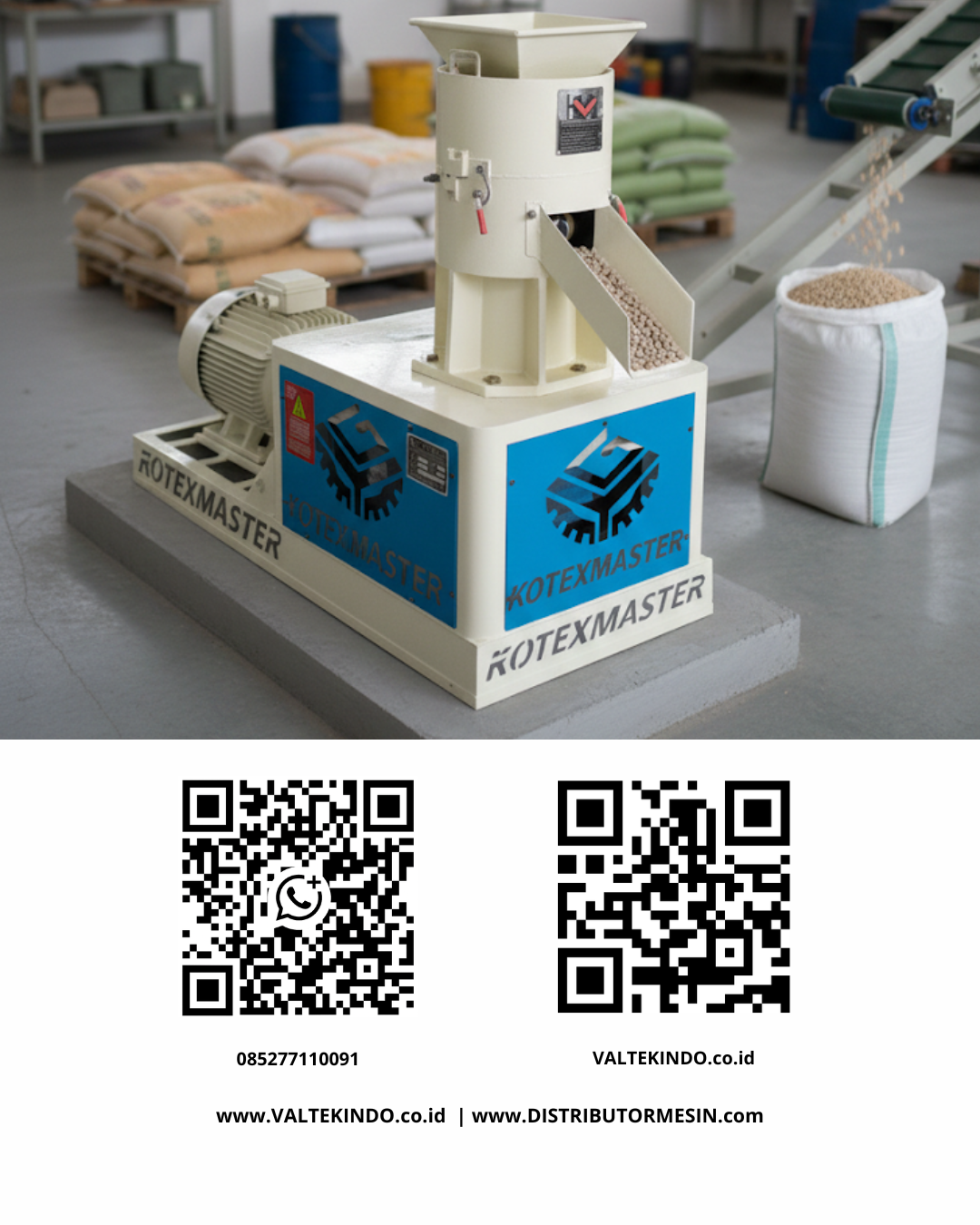
Wood waste is often regarded as a low-value residue, ranging from sawdust and branch trimmings to leftovers from the furniture industry. However, through advancements in biomass technology, this waste can now be transformed into an efficient renewable energy source in the form of wood pellets. The primary key to this transformation lies in the working mechanism of the wood pellet machine, which is capable of compressing bulk material into high-density fuel.
Understanding how this machine operates is essential for industrial players looking to optimize waste management while producing eco-friendly alternative fuels. This article will provide an in-depth look at the technical stages that occur within a pelletizing machine.
The Basic Principle of Wood Pellet Production
Technically, a wood pellet machine operates on the principle of high pressure and heat generated by friction. The main components involved in this process are the die (mold) and the rollers. Wood pellets are formed not by chemical adhesives, but by utilizing the natural substance found within the wood itself: lignin.
Lignin acts as a natural glue that softens when exposed to the heat caused by friction. When the wood sawdust is pressed through narrow die holes, the lignin binds the wood fibers together permanently. As a result, once cooled, the pellets remain hard and do not crumble easily.
Stages of the Machine's Working Mechanism
The production process within a pelletizer involves several crucial stages that must run in sync to produce high-quality output:
1. Feeding Stage The wood material, which has been conditioned—typically in the form of sawdust with a moisture content of around 10-15%—is fed into the compression chamber. A stable feeding process is vital to maintain a consistent machine workload and prevent clogging.
2. Compression and Distribution Stage Inside the machine chamber, the material falls onto the surface of the die. The rollers then rotate, pressing the material down. In a pelletizer series flat die configuration, the pressure is applied vertically, where the material is distributed evenly across a flat mold before being forced into the small holes.
3. Extrusion Stage Powerful pressure from the rollers forces the wood powder into the die holes. During this extrusion process, a significant increase in temperature occurs. This combination of pressure and heat alters the molecular structure of the lignin, enabling it to bind the wood particles into dense cylindrical shapes.
4. Cutting Stage After passing through the die holes, the pellets emerge from the bottom or outer side of the mold as long, hot rods. Cutting blades installed beneath the mold slice these rods into the desired length before they finally exit through the discharge chute.
Why Choosing the Right Machine Technology Matters
The efficiency of waste processing depends heavily on the quality of the machinery used. A precision-engineered machine ensures the correct compression ratio, resulting in pellets with high calorific value and low ash content. Furthermore, using wear-resistant components minimizes maintenance costs over the long term.
For both industrial sectors and small-to-medium enterprises (SMEs), investing in biomass support equipment is a strategic step toward energy sustainability. Further technical information regarding various types of waste processing machinery can be found on the official website of industrial equipment providers specializing in material processing technology.
Conclusion
A wood pellet machine is more than just a pressing tool; it is an engineering system that relies on thermodynamics and mechanics to create energy from waste. By understanding the working mechanism from feeding to extrusion, pellet production operations can run more efficiently with maximum yield.
Optimize Your Industry Today!
Achieve production efficiency and the highest quality standards with a trusted industrial machinery provider. Explore our wide selection of premium processing and testing equipment at:
Website : valtekindo.co.id
Website : distributormesin.com
Consult your technical needs with our expert sales team:
WhatsApp 1: +62 852-2211-0091
WhatsApp 2: +62 852-7711-0091

Admin
AuthorAdmin is a writer on the Valtekindo website, providing informative content about High Quality Industrial Machinery and Testing Machines.
Related post:
- Pharmaceutical Factory Production Escalation Strategy: Why Investing in an Automatic Capsule Filling Machine is the Most Crucial Business Decision
- High-Precision Wire Cut EDM Technology in 2026: The Ultimate Solution for Mold Making, Stamping Dies, and Automotive Component Fabrication Without Thermal Distortion
- 2026 Automated Carton Sealer & Erector Investment Guide: End-of-Line Automation Strategies for Industrial Plant Efficiency