Understanding the Tea Processing Journey: From Fresh Leaves to Ready-to-Drink Products
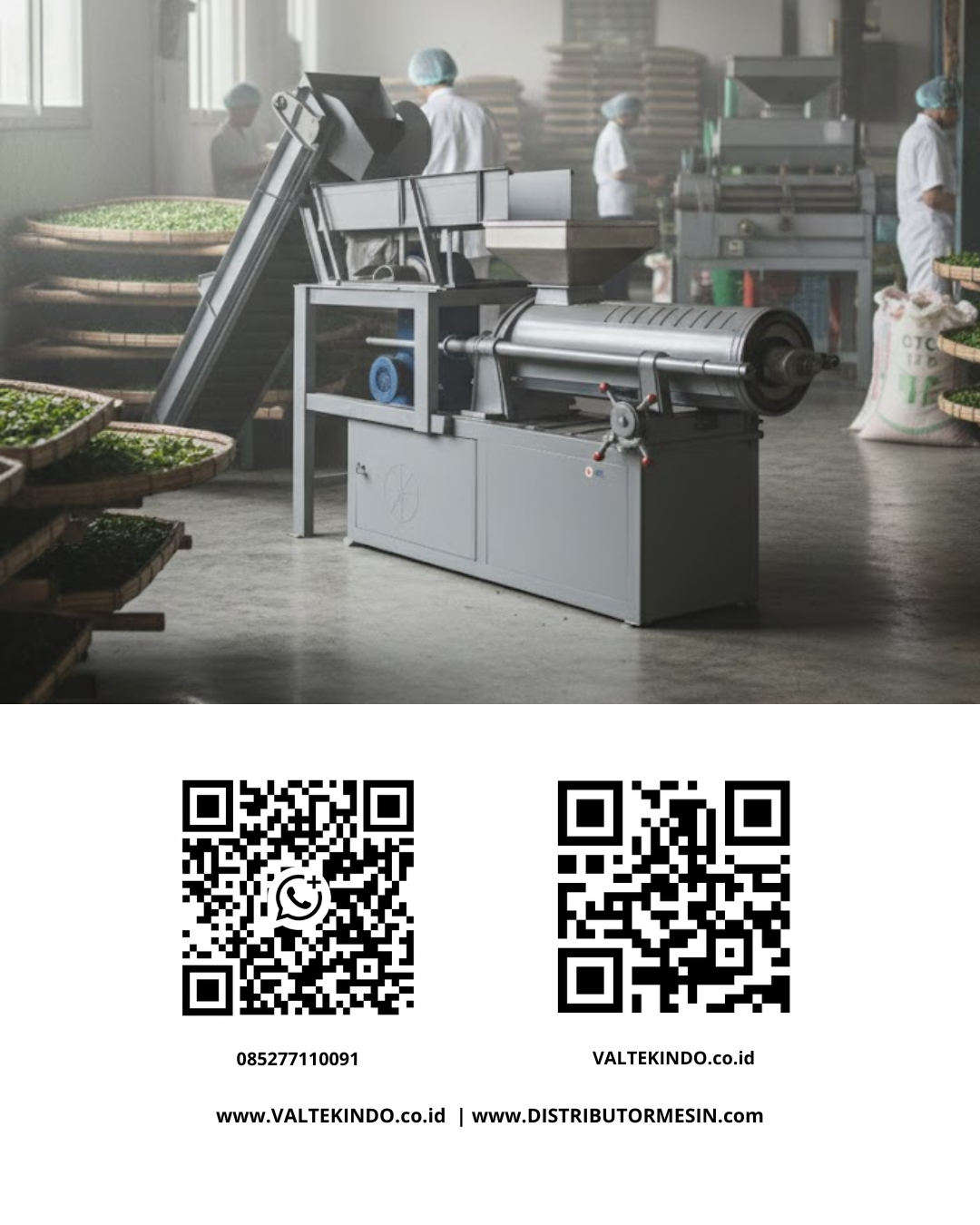
characteristics of premium tea leaves. Tea is one of the most consumed beverages globally, boasting a rich history that blends tradition with advanced technology. Although all types of tea originate from the same plant, Camellia sinensis, the distinct flavors, aromas, and colors of the final product are determined by how the leaves are treated after harvesting. Understanding the stages of tea processing is not only fascinating for enthusiasts but also essential for industry players to maintain high-quality standards.
1. Harvesting
The process begins in the plantation, where tea leaves are picked either manually or by machine. The highest quality tea typically comes from the "two leaves and a bud" rule. Proper harvesting ensures that the raw material contains the optimal chemical compounds for the subsequent stages. Older leaves tend to produce a more astringent taste and a weaker aroma.
2. Withering
Once picked, fresh tea leaves have a very high moisture content. The withering stage aims to reduce this moisture by approximately 50-70%. Leaves are spread out on specialized racks and exposed to controlled airflow. This process makes the leaves pliable and prepares the leaf cells for the oxidation stage. Chemically, withering triggers the breakdown of proteins into amino acids and increases caffeine availability.
3. Mechanical Processing: Bruising and Rolling
At this stage, the leaf's cell structure is disrupted so that the enzymes within can react with oxygen. In modern industry, efficiency is paramount to achieving a uniform texture. One frequently used technique is the CTC (Crush, Tear, Curl) system. The use of specialized mechanical equipment, such as a rotorvane machine, becomes vital here to ensure the tea leaves are cut and rolled perfectly, resulting in consistent particles for even oxidation.
4. Oxidation (Fermentation)
Oxidation is the most critical stage that determines the type of tea produced. The rolled leaves are left in a room with controlled temperature and humidity. The longer the oxidation process, the darker the leaves become.
- Green Tea: Undergoes minimal to no oxidation.
- Oolong Tea: Undergoes partial oxidation.
- Black Tea: Undergoes full oxidation, resulting in a dark color and robust flavor.
5. Drying (Fixation)
To stop the oxidation process, the tea leaves must be heated. Drying reduces the moisture content to about 3%, ensuring a long shelf life. This process also locks in the flavor profile and aroma developed earlier. If drying happens too quickly, the outside of the leaf might char while the inside remains moist. Conversely, drying too slowly can lead to mold growth.
6. Sorting and Grading
After drying, the tea is not immediately packaged. The leaves are sifted based on their size. Tea can be categorized into whole leaf, broken leaf, or fine particles like fannings and dust. This grading is crucial because particle size affects the brewing speed and the strength of the flavor when served.
The Importance of Technology in the Tea Industry
In an industrial scale, maintaining flavor consistency is the biggest challenge. Therefore, integrating technology and providing reliable support tools is a long-term investment for producers. Utilizing a reputable industrial machinery distributor allows tea factories to obtain equipment with the right specifications to increase production capacity without sacrificing the unique
With proper processing, a simple green leaf can be transformed into a luxurious beverage that is both refreshing and beneficial to health.
Optimize Your Industry Today!
Achieve production efficiency and the highest quality standards with a trusted industrial machinery provider. Explore our wide selection of premium processing and testing equipment at:
Website : valtekindo.co.id
Website : distributormesin.com
Consult your technical needs with our expert sales team:
WhatsApp 1: +62 852-2211-0091
WhatsApp 2: +62 852-7711-0091

Admin
AuthorAdmin is a writer on the Valtekindo website, providing informative content about High Quality Industrial Machinery and Testing Machines.
Related post:
- Pharmaceutical Factory Production Escalation Strategy: Why Investing in an Automatic Capsule Filling Machine is the Most Crucial Business Decision
- High-Precision Wire Cut EDM Technology in 2026: The Ultimate Solution for Mold Making, Stamping Dies, and Automotive Component Fabrication Without Thermal Distortion
- 2026 Automated Carton Sealer & Erector Investment Guide: End-of-Line Automation Strategies for Industrial Plant Efficiency