Understanding the Role of Boilers in Industrial Processes: Functions, Working Principles, and Applications
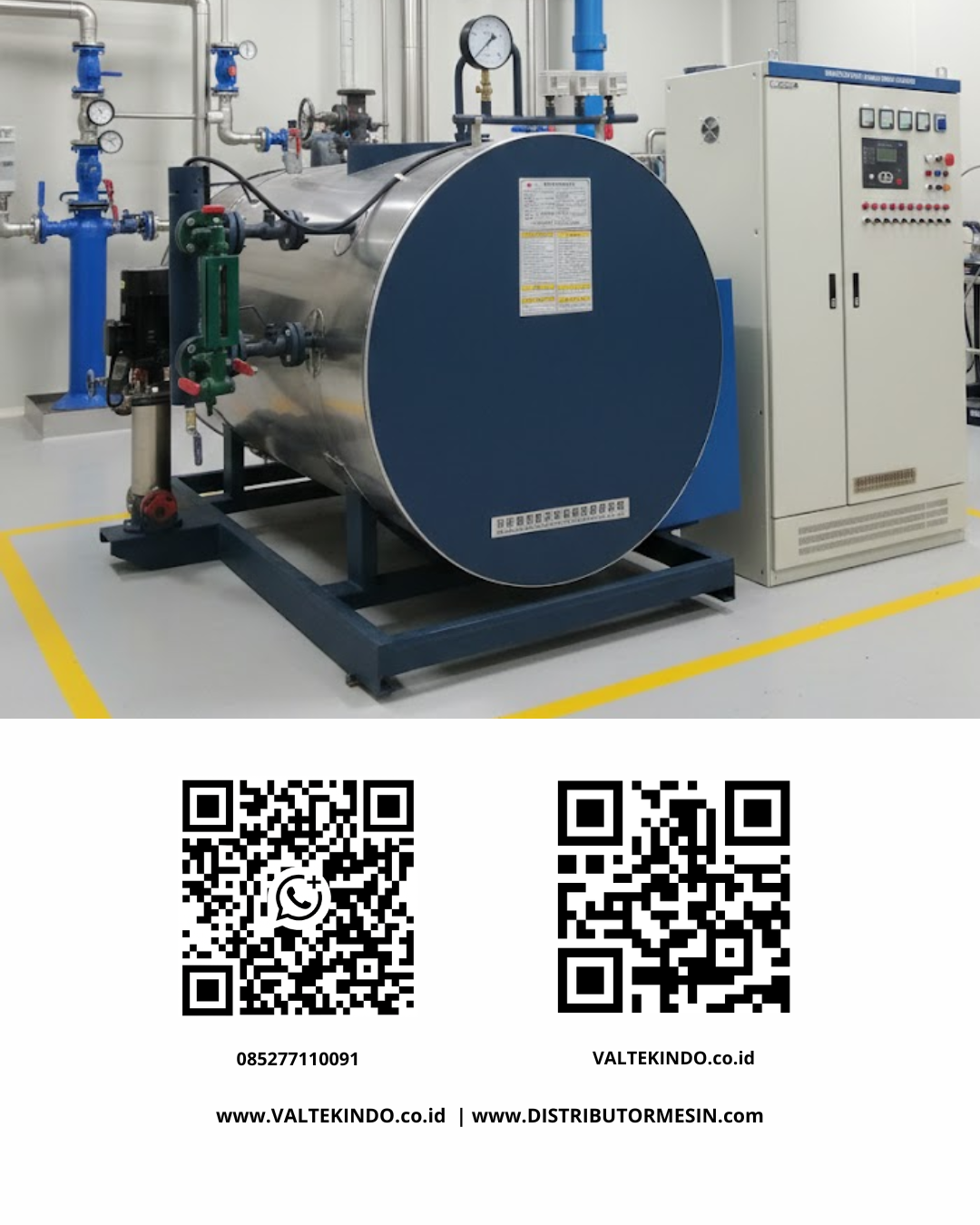
In the world of large-scale manufacturing and production, thermal energy is an indispensable driving force behind daily operations. One of the most critical technologies performing this role is the boiler, or steam generator. This equipment is responsible for producing thermal energy in the form of steam or hot water, which is then distributed for various mechanical and thermal needs throughout a plant.
What is an Industrial Boiler?
Technically, a boiler is a closed vessel designed to transfer heat from a fuel source to a liquid (usually water) until it reaches a specific temperature or pressure. The energy generated by a boiler is highly versatile because steam has a high energy density and can be easily transported through a network of distribution pipes to various points of use without significant heat loss.
Primary Functions of Boilers in Industry
A boiler is far more than a simple water heater. Its role encompasses several aspects that support production efficiency and flow:
- Power Generation: High-pressure steam is used to drive turbines, which then generate independent electricity for the factory (cogeneration).
- Process Heating: Many chemical and oil processing industries require stable temperatures to maintain the viscosity of raw materials or to trigger specific chemical reactions.
- Sterilization and Sanitation: In the food, beverage, and pharmaceutical industries, hot steam is used to eliminate microorganisms on medical equipment, production tanks, and product packaging.
- Drying Systems: In the paper and timber industries, steam is vital for removing moisture from raw materials to meet specific quality standards.
Working Principles: Energy Transformation
The fundamental principle of a boiler centers on the laws of heat transfer. The process begins when fuel (such as gas, biomass, or electricity) is converted into heat within a combustion chamber or heating element. This heat is then absorbed by the water circulating within the system.
Based on their construction, boilers are generally divided into two main types:
- Fire Tube Boilers: Hot gases from combustion pass through tubes surrounded by water. This type is highly effective for low to medium-pressure steam requirements.
- Water Tube Boilers: Water flows inside tubes that are heated by hot gases on the outside. This design is more efficient for producing steam at very high pressures and temperatures.
As green industry standards evolve, many companies are shifting toward cleaner solutions. The use of electrical energy as a heat source is gaining popularity due to its environmentally friendly nature, minimal emissions, and precise control. You can explore more about modern industrial steam solutions that utilize electric heating technology for higher precision and sustainability.
Boiler Applications Across Various Sectors
Almost every manufacturing sector relies on a dependable steam system. Here are some examples of field applications:
- Food & Beverage Industry: Used for pasteurization, large-scale cooking, and sterilizing bottles or cans before filling.
- Textile Industry: Steam plays a vital role in the dyeing process and steam pressing to ensure fiber quality is maintained.
- Healthcare: Beyond sterilizing surgical tools in autoclaves, boilers provide hot water for sanitation and HVAC (heating, ventilation, and air conditioning) systems.
- Oil & Gas Refineries: Used to assist in the distillation process or the separation of crude oil fractions based on their boiling points.
The Importance of Efficiency and Proper Selection
Choosing the right boiler system is not just about output capacity; it is about long-term energy efficiency. An inefficient boiler wastes fuel, increases operational costs, and shortens the lifespan of components. Therefore, unit selection must be based on accurate workload calculations.
The integration of automation technology in control panels also significantly assists operators in monitoring pressure and temperature in real-time, minimizing the risk of system failure. For industrial players prioritizing sustainability and workplace safety, partnering with a trusted industrial heating system provider is a strategic step to obtain units with international safety standards and comprehensive technical support.
Optimize Your Industry Today!
Achieve production efficiency and the highest quality standards with a trusted industrial machinery provider. Explore our wide selection of premium processing and testing equipment at:
Website : valtekindo.co.id
Website : distributormesin.com
Consult your technical needs with our expert sales team:
WhatsApp 1: +62 852-2211-0091
WhatsApp 2: +62 852-7711-0091

Admin
AuthorAdmin is a writer on the Valtekindo website, providing informative content about High Quality Industrial Machinery and Testing Machines.
Related post:
- Pharmaceutical Factory Production Escalation Strategy: Why Investing in an Automatic Capsule Filling Machine is the Most Crucial Business Decision
- High-Precision Wire Cut EDM Technology in 2026: The Ultimate Solution for Mold Making, Stamping Dies, and Automotive Component Fabrication Without Thermal Distortion
- 2026 Automated Carton Sealer & Erector Investment Guide: End-of-Line Automation Strategies for Industrial Plant Efficiency