Understanding the Production Process of Tablets and Capsules in the Modern Pharmaceutical Industry
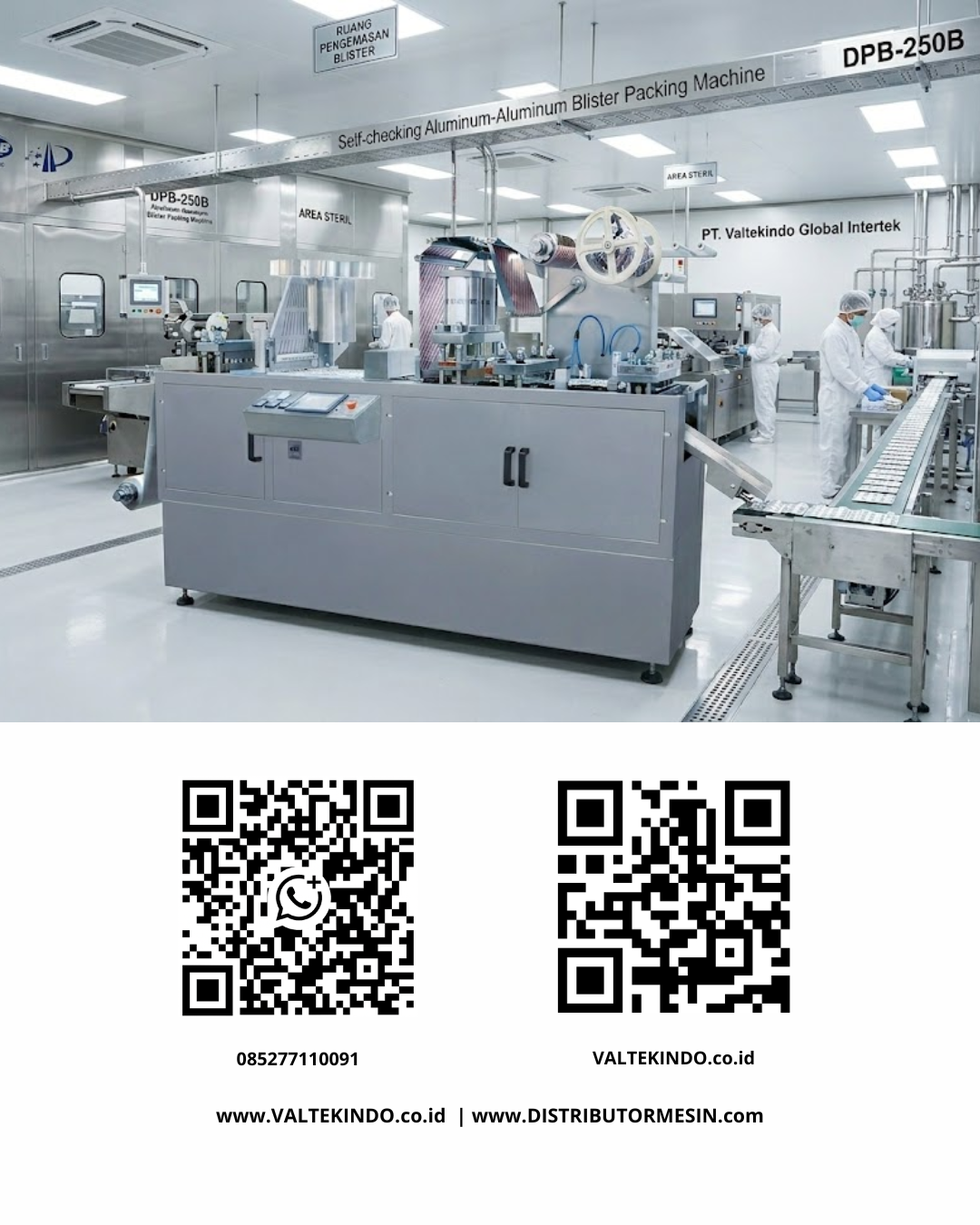
The pharmaceutical industry is one of the most strictly regulated sectors in the world. Every product must meet high-quality standards to ensure safety and efficacy for consumers. Among various dosage forms, tablets and capsules remain the primary choice due to their ease of use, stability of active ingredients, and dosage accuracy.
The process of transforming raw chemical materials into a solid tablet or a ready-to-consume capsule involves a series of complex technological stages with high precision. Understanding this workflow is vital for industry practitioners to maintain consistent product quality.
Initial Stage: Weighing and Mixing
Everything begins with dispensing, or the weighing of Active Pharmaceutical Ingredients (API) and excipients (inactive substances). Excipients function as fillers, binders, and disintegrants to ensure the drug works optimally within the body. After weighing, these materials enter the mixing stage.
In modern industry, homogeneity is the ultimate key. If the mixing is uneven, the dosage in each tablet will vary, which is extremely dangerous for patients. High-speed mixers or high-shear mixers are frequently used to ensure every particle is perfectly distributed before proceeding to granulation.
The Granulation Process: Creating Texture
Most medicinal powders cannot be directly compressed due to poor flow properties or a tendency to separate (segregation). Therefore, a granulation process is required to convert fine powders into larger, uniform granules.
- Wet Granulation: Involves using a liquid binder to form a moist mass, which is then dried. This is the most common method as it produces granules with strong binding properties.
- Dry Granulation: Used for materials sensitive to heat or moisture. The powder is compacted using high pressure (such as a roller compactor) before being milled back into granules ready for compression.
Tablet Compression and Capsule Filling
Once the granules are ready and lubricants have been added, the next process depends on the desired final dosage form:
- Tablet Compression: Granules are fed into a rotary tablet press. Here, thousands of Newtons of pressure are applied through punch and die components to form a solid, sturdy mass. Parameters such as hardness, thickness, and friability are strictly monitored at regular intervals.
- Capsule Filling: For capsule forms, granules, powders, or even pellets are encased in capsule shells (gelatin or cellulose). Modern automatic filling machines can regulate the fill volume with very small error tolerances, ensuring every capsule has a uniform weight.
Coating and Quality Control
Tablets often require an additional layer or coating. The purposes vary, from masking a bitter taste and protecting the active ingredient from light degradation to regulating drug release in the intestines (enteric-coated). This process is performed in a rotating drum where a coating solution is finely sprayed and dried simultaneously.
Every production stage must pass strict Quality Control (QC) in accordance with GMP (Good Manufacturing Practice) standards. Tested parameters include disintegration time, dissolution tests (how quickly the drug dissolves in body fluids), and the stability of active ingredient levels.
Final Stage: Primary Packaging
An equally crucial stage in the production chain is packaging. In the modern pharmaceutical industry, production efficiency heavily relies on packaging technology capable of maintaining drug integrity from external contamination, moisture, and oxidation. The use of automated solutions for fast and precise packaging has now become an absolute standard to minimize human intervention and manual errors.
The blister packaging method, particularly those using aluminum materials, is highly popular for providing maximum protection. This process ensures that every tablet or capsule remains sterile and stable until it reaches the consumer. Integrating automated machinery into the production line helps manufacturers reduce product failure rates and accelerate distribution to the wider market.
Conclusion
The production of tablets and capsules is a blend of chemistry, biology, and advanced manufacturing engineering. With a deep understanding of every production flow—from material preparation to packaging—the pharmaceutical industry can continue to innovate in creating high-quality health products. Technological support from trusted industrial infrastructure providers plays a vital role in achieving operational efficiency in today's digital industrial era.
Optimize Your Industry Today!
Achieve production efficiency and the highest quality standards with a trusted industrial machinery provider. Explore our wide selection of premium processing and testing equipment at:
Website : valtekindo.co.id
Website : distributormesin.com
Consult your technical needs with our expert sales team:
WhatsApp 1: +62 852-2211-0091
WhatsApp 2: +62 852-7711-0091

Admin
AuthorAdmin is a writer on the Valtekindo website, providing informative content about High Quality Industrial Machinery and Testing Machines.
Related post:
- Pharmaceutical Factory Production Escalation Strategy: Why Investing in an Automatic Capsule Filling Machine is the Most Crucial Business Decision
- High-Precision Wire Cut EDM Technology in 2026: The Ultimate Solution for Mold Making, Stamping Dies, and Automotive Component Fabrication Without Thermal Distortion
- 2026 Automated Carton Sealer & Erector Investment Guide: End-of-Line Automation Strategies for Industrial Plant Efficiency