Understanding the Mechanism of Drum Dyeing for Achieving Uniform Leather Coloration
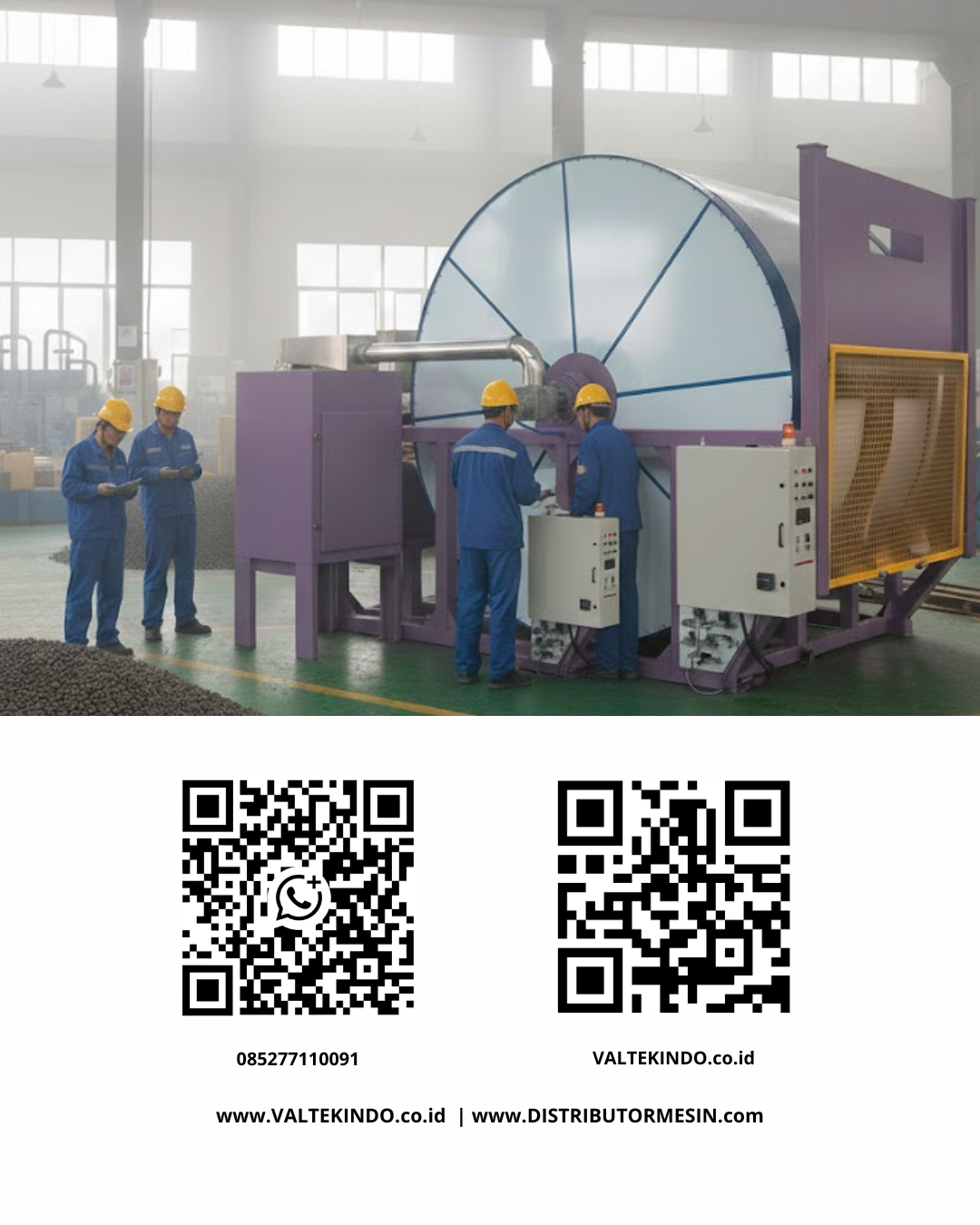
The leather processing industry is a sophisticated blend of traditional craftsmanship and precise engineering. One of the most critical stages in determining the aesthetic quality of the final product is the coloration or dyeing process. To achieve consistent color results, deep penetration, and a luxurious finish, the drum dyeing method remains the gold standard in modern commercial tanneries.
The Core Principles of Drum Dyeing
The primary mechanism of drum dyeing lies in the synergy between mechanical action, temperature control, and chemical equilibrium. Leather that has undergone the tanning process (typically in "wet blue" or "wet white" stages) is placed inside large, rotating cylindrical vessels.
Unlike spray dyeing techniques—which only coat the surface—the drum method ensures that dyestuffs permeate deep into the collagen fibers. This is vital for maintaining the visual integrity of the leather; if the surface suffers a minor scratch during use, the deep-seated color ensures that no pale under-layers are revealed.
How it Works: The Science of Uniformity
To produce a perfectly even shade without spotting or marbling, the dyeing drum operates through several key technical parameters:
- Mechanical Agitation: As the drum rotates, the hides inside are lifted by interior pegs or paddles and subsequently dropped back into the dye liquor. This repetitive motion opens the pores of the leather and ensures that the fluid is distributed evenly across the entire surface of the large hides.
- Thermal Control: The chemical reaction between the dyes and the leather fibers is highly temperature-dependent. The process is usually conducted at controlled temperatures (ranging from 40°C to 60°C). Correct heat levels reduce the viscosity of the solution and increase the kinetic energy of the dye molecules, allowing them to bond more effectively with the fiber structure.
- pH Management: Chemical agents are added incrementally to manage acidity levels. In the initial phase, the pH is set to allow dye penetration without immediate fixation. Once the penetration is sufficient, the pH is adjusted to "lock" the dye permanently into the leather fibers.
Critical Component: High-Quality Drum Hardware
Successful dyeing depends not only on chemical recipes but also on the reliability of the machinery used. In an industrial setting, using corrosion-resistant materials capable of maintaining temperature stability is mandatory. Selecting the right equipment, such as a specialized stainless steel round milling drum, significantly impacts production efficiency. Stainless steel ensures there is no metallic contamination or rust that could ruin the purity of the dye, which is particularly crucial for bright or pastel shades.
Furthermore, an ergonomic drum design allows for easier cleaning when switching between color variants, preventing cross-contamination between different production batches.
Advantages of the Drum Dyeing Method
Compared to alternative coloration methods, drum dyeing offers several significant benefits:
- Maximum Penetration: Achieves a "through-dye" effect that is consistent from the grain side to the flesh side.
- Chemical Efficiency: Within a closed system, the use of dyestuffs and water can be precisely optimized, reducing waste.
- Massive Capacity: Capable of processing numerous hides simultaneously in a single cycle, which is essential for maintaining color consistency across a specific product line.
- Enhanced Softness: The tumbling action inside the drum also acts as a mechanical milling process, which helps soften the leather fibers, resulting in a more natural and supple "hand-feel."
Conclusion
Understanding the mechanics behind drum dyeing helps industry players manage their production processes more effectively. The combination of accurate chemical parameters and robust industrial machinery is the key to producing premium leather products capable of competing in the global market. For those developing or upgrading a tannery facility, prioritizing high-spec infrastructure is a vital step toward long-term quality and consistency.
Optimize Your Industry Today!
Achieve production efficiency and the highest quality standards with a trusted industrial machinery provider. Explore our wide selection of premium processing and testing equipment at:
Website : valtekindo.co.id
Website : distributormesin.com
Consult your technical needs with our expert sales team:
WhatsApp 1: +62 852-2211-0091
WhatsApp 2: +62 852-7711-0091

Admin
AuthorAdmin is a writer on the Valtekindo website, providing informative content about High Quality Industrial Machinery and Testing Machines.
Related post:
- Pharmaceutical Factory Production Escalation Strategy: Why Investing in an Automatic Capsule Filling Machine is the Most Crucial Business Decision
- High-Precision Wire Cut EDM Technology in 2026: The Ultimate Solution for Mold Making, Stamping Dies, and Automotive Component Fabrication Without Thermal Distortion
- 2026 Automated Carton Sealer & Erector Investment Guide: End-of-Line Automation Strategies for Industrial Plant Efficiency