Understanding the Mechanics of Modern Coffee Roasting Machines: Precision, Efficiency, and Consistency
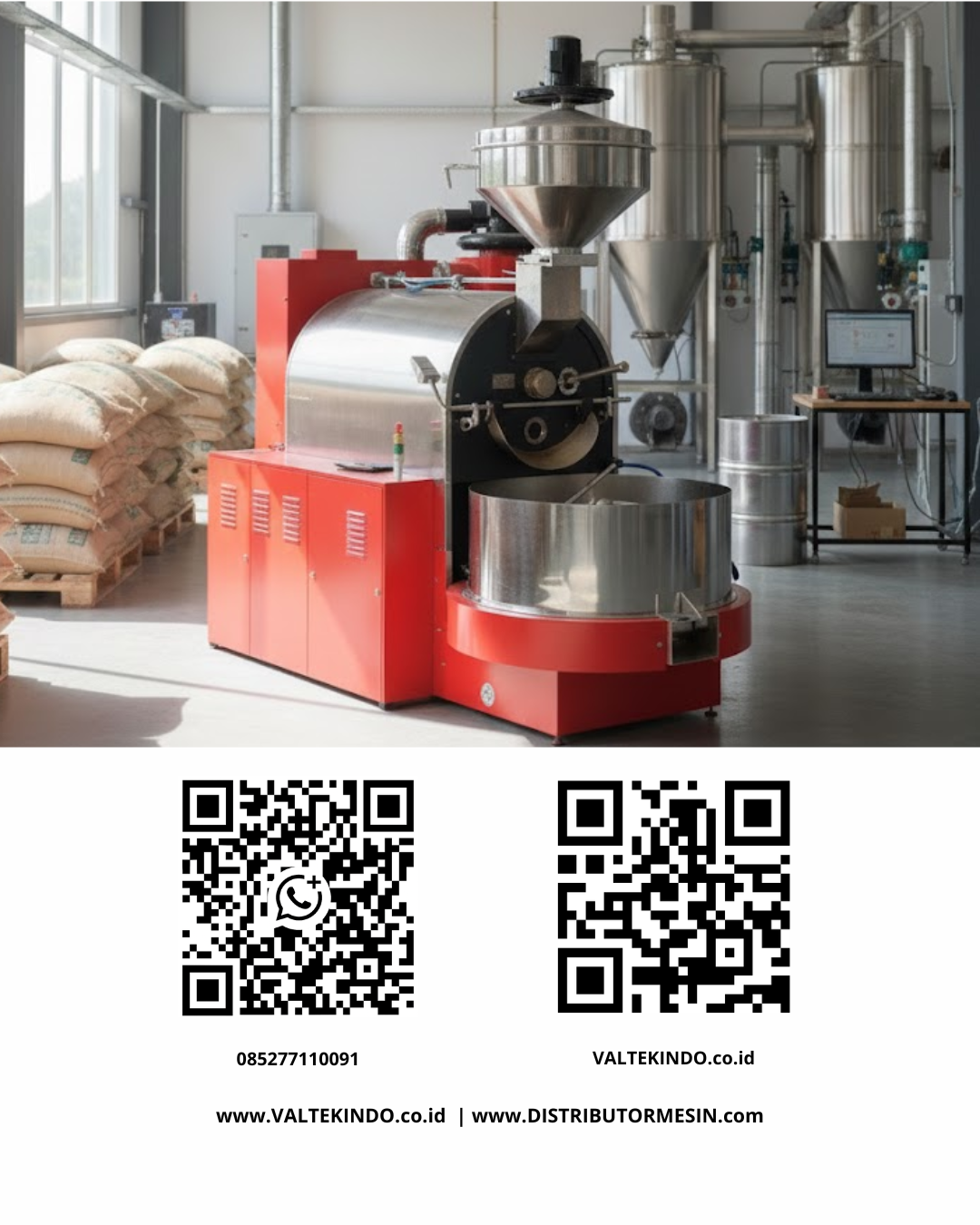
In the rapidly evolving world of specialty coffee, the roasting process has transitioned from a traditional craft into a high-precision science. Green coffee beans contain hundreds of chemical compounds that can only be unlocked through controlled thermal exposure. This is where modern technology becomes indispensable. Understanding the fundamental mechanics of a Modern Coffee Roasting Machine is essential not only for professional roasters but also for business owners aiming to maintain high-quality standards in a competitive market.
Heat Transfer Mechanisms in Drum Roasting
Most modern industrial roasters utilize a rotating drum system that relies on three primary heat transfer principles: conduction, convection, and radiation. Conduction occurs when the beans come into direct contact with the heated walls of the drum. However, in advanced machinery, convection—the transfer of heat via circulating hot air—is the dominant force.
The dominance of convection allows the beans to cook more evenly from the surface to the core, significantly reducing the risk of exterior scorching. This consistent airflow ensures that every bean in the batch receives identical thermal treatment. To understand how these mechanical components work in synergy, one can review the technical details of a high-performance coffee and cocoa beans roasting machine designed for medium to large-scale industrial needs.
The Role of Data Logging and Digital Control
A hallmark of modern roasting technology is the integration of sophisticated data-logging software. Historically, roasters relied heavily on sight, smell, and sound to determine the roast degree. Today, highly sensitive thermal sensors (thermocouples) are placed inside the drum to read both the Bean Temperature (BT) and Environmental Temperature (ET) every second.
This data is mapped into a visual graph known as a "roast profile." By monitoring the Rate of Rise (RoR)—the speed at which the temperature increases—operators can accurately predict critical events such as the "First Crack." This digital precision ensures total consistency; a flavor profile that customers loved in January can be replicated with near-identical accuracy months later.
Energy Efficiency and Airflow Management
Beyond precision, efficiency is a primary focus in contemporary machine design. The airflow system serves a dual purpose: it acts as the primary heat carrier and removes waste byproducts like silver skin (chaff) and smoke. Poor airflow management can lead to undesirable "smoky" flavors in the final product.
Modern machines are typically equipped with an external cyclone that effectively separates dust and chaff from the exhaust air. In addition to keeping the roasted beans clean, this system minimizes the risk of fires within the exhaust ducts. For those studying the operational side of these tools, thermal efficiency is the key to lowering overhead costs without compromising quality. Insights into these optimized systems are often discussed in various industrial machinery solution guides focusing on food processing technology.
Ensuring Consistency through Rapid Cooling
A vital yet often overlooked stage is the cooling process. As soon as the coffee beans reach their target roast and are discharged from the drum, they still hold significant internal heat. If not cooled immediately, the beans will continue to cook internally, potentially over-roasting and losing their delicate aromatic characteristics or becoming overly bitter.
Modern roasters feature a specialized cooling tray equipped with mechanical agitators and powerful suction fans. This process should ideally drop the bean temperature to room level in under four minutes. This rapid temperature drop "locks in" the aromatic compounds and ensures that the chemical phase of the bean stops exactly at the desired moment.
Optimize Your Coffee Production Standards
Understanding the technology behind modern roasting is the first step toward producing a consistently superior coffee product. Precision technology not only simplifies the operator's workflow but also guarantees that every gram of processed coffee reaches its maximum economic and sensory value. With the right equipment, the challenge of maintaining flavor profiles across every production batch becomes manageable and efficient.
Optimize Your Industry Today!
Achieve production efficiency and the highest quality standards with a trusted industrial machinery provider. Explore our wide selection of premium processing and testing equipment at:
Website : valtekindo.co.id
Website : distributormesin.com
Consult your technical needs with our expert sales team:
WhatsApp 1: +62 852-2211-0091
WhatsApp 2: +62 852-7711-0091

Admin
AuthorAdmin is a writer on the Valtekindo website, providing informative content about High Quality Industrial Machinery and Testing Machines.
Related post:
- Pharmaceutical Factory Production Escalation Strategy: Why Investing in an Automatic Capsule Filling Machine is the Most Crucial Business Decision
- High-Precision Wire Cut EDM Technology in 2026: The Ultimate Solution for Mold Making, Stamping Dies, and Automotive Component Fabrication Without Thermal Distortion
- 2026 Automated Carton Sealer & Erector Investment Guide: End-of-Line Automation Strategies for Industrial Plant Efficiency