Understanding the Aerosol Filling Process in Manufacturing and Its Role in Pressurized Packaging Production
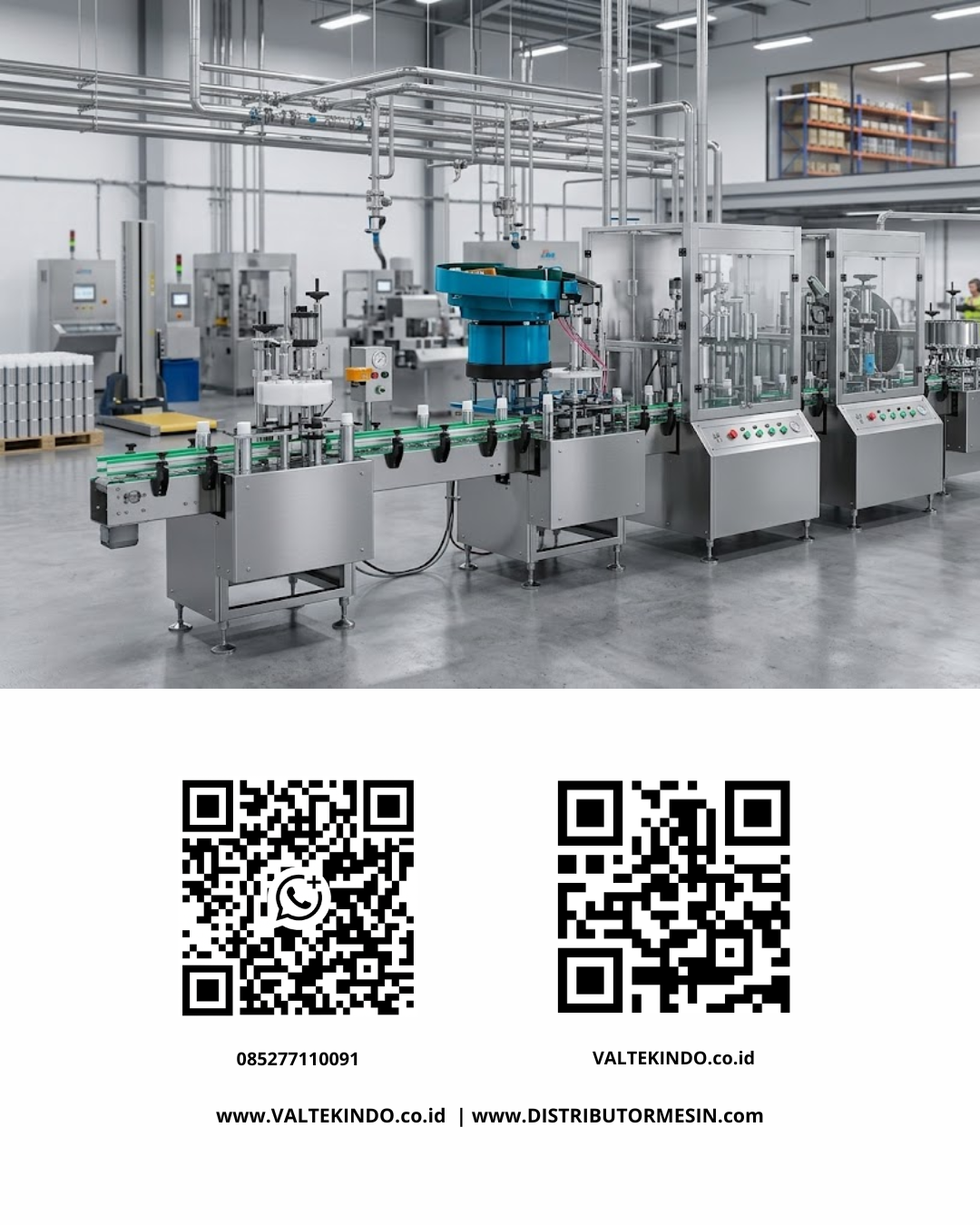
The modern manufacturing industry continues to evolve, bringing forth packaging innovations that prioritize convenience and efficiency. One of the most common technologies we encounter in daily life is aerosol packaging. From personal care products like deodorants and household needs like insect repellents to automotive goods and spray paints, all rely on a high-pressure mechanism to distribute contents evenly.
However, behind this ease of use lies a complex technical process that demands high precision. Understanding how liquids and gases are injected into pressurized cans is key for industrial players to maintain product quality and safety.
What is an Aerosol Filling System?
In simple terms, an aerosol system is one where solid or liquid particles are suspended in a gas. In a manufacturing context, this filling process involves combining the active product (concentrate) with a propellant.
The primary function of this system is to convert the liquid inside the container into a fine mist or foam when the valve is actuated. Without a precise filling process, the internal pressure will be unstable, potentially causing product failure or even posing a safety risk to consumers.
Key Stages in the Aerosol Filling Process
Aerosol manufacturing is not a random procedure. It involves strict Standard Operating Procedures (SOPs), typically encompassing the following stages:
- Container Cleaning and Preparation: Aluminum or tinplate cans are cleared of microscopic dust before entering the production line.
- Product Filling: The main liquid or active ingredient is dispensed into the container. Accuracy at this stage is crucial to ensure the dosage matches the product label.
- Valve Insertion: Once the liquid is in, a valve is placed onto the can's opening. This valve acts as the primary gatekeeper, holding the pressure inside.
- Propellant Gassing: The propellant gas is injected into the container. This can be done via "Under-Cup Filling" or "Through-the-Valve" methods.
- Leak Testing (Water Bath): To guarantee safety, filled cans pass through a hot water bath. If bubbles appear, it indicates a pressure leak, and the product must be rejected.
To ensure these operations run smoothly, many industries are shifting toward an efficient aerosol filling solution to minimize human error and boost daily production capacity.
Vital Functions of Pressurized Packaging in Industry
Why does the manufacturing industry continue to choose aerosol packaging despite the filling process being more complex than standard packaging? The answer lies in its functionality:
- Maintained Hygiene: Because the packaging is hermetically sealed and pressurized, contamination from external air or bacteria cannot enter the product.
- Usage Efficiency: The spray mechanism allows the product to be released in measured amounts, minimizing waste.
- Product Longevity: Some chemical ingredients are sensitive to oxygen. With an aerosol system, contact with oxygen is completely avoided, significantly extending the product's shelf life.
Choosing the Right Technology
Production success depends heavily on the tools used. In large-scale industrial settings, integrating automated systems has become an urgent necessity. Utilizing a liquid filling machine package with high precision standards not only assists in production speed but also ensures every can has uniform pressure. Precision is everything in the aerosol industry; excessive pressure can be dangerous, while insufficient pressure renders the product ineffective.
Optimize Your Industry Today!
Achieve production efficiency and the highest quality standards with a trusted industrial machinery provider. Explore our wide selection of premium processing and testing equipment at:
Website : valtekindo.co.id
Website : distributormesin.com
Consult your technical needs with our expert sales team:
WhatsApp 1: +62 852-2211-0091
WhatsApp 2: +62 852-7711-0091

Admin
AuthorAdmin is a writer on the Valtekindo website, providing informative content about High Quality Industrial Machinery and Testing Machines.
Related post:
- Pharmaceutical Factory Production Escalation Strategy: Why Investing in an Automatic Capsule Filling Machine is the Most Crucial Business Decision
- High-Precision Wire Cut EDM Technology in 2026: The Ultimate Solution for Mold Making, Stamping Dies, and Automotive Component Fabrication Without Thermal Distortion
- 2026 Automated Carton Sealer & Erector Investment Guide: End-of-Line Automation Strategies for Industrial Plant Efficiency